


#acción social
La lucha contra el cáncer a través de carreras solidarias, contra la violencia de género o contra el machismo, las campañas para combatir enfermedades infantiles... Promovemos iniciativas de acción social para apoyar la inserción y mejorar la calidad de vida de las personas beneficiadas.
-
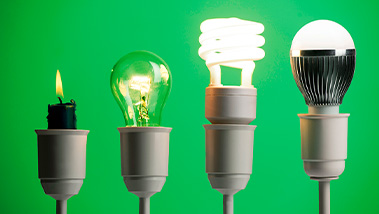
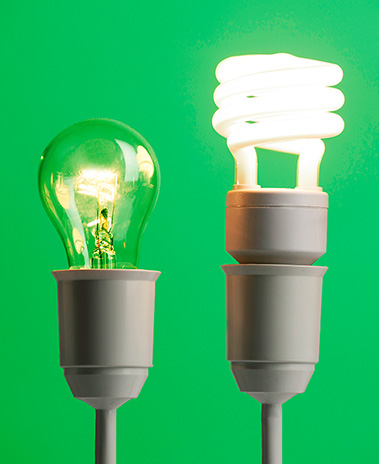
La primera central eléctrica, creada por Thomas Edison en 1882, daba corriente a unas pocas bombillas. Desde entonces, la red que lleva la electricidad a nuestras casas se ha extendido y hoy asume su mayor reto: liberarse por completo de los combustibles fósiles y avanzar hacia las fuentes de energías renovables. Descubre la historia de la electricidad hasta nuestros días.
La Agenda 2030 es la hoja de ruta impulsada por las Naciones Unidas para promover un desarrollo más sostenible, inclusivo y resiliente. A través de sus 17 Objetivos de Desarrollo Sostenible (ODS), busca dar respuesta a algunos de los mayores desafíos globales, como el cambio climático, la desigualdad, la pérdida de biodiversidad y el acceso a una energía limpia y asequible.
-
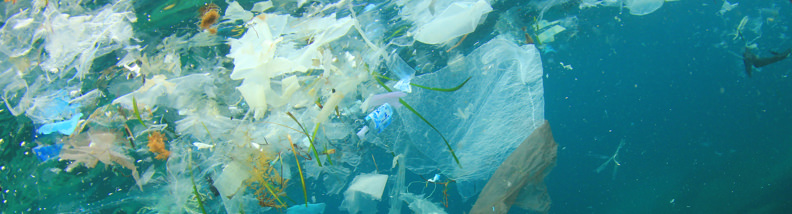
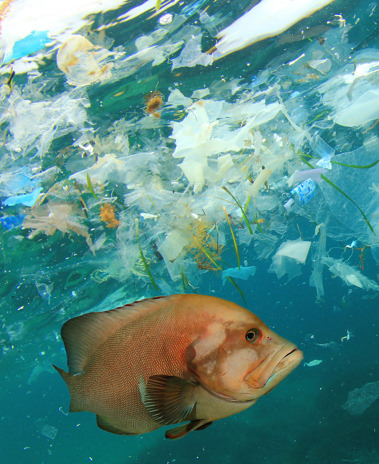
Los océanos son uno de los lugares más bellos y misteriosos de la Tierra. Cubren más del 70 % del planeta, regulan el clima y albergan una biodiversidad esencial para la vida. Sin embargo, viven amenazados por una contaminación creciente que durante décadas se minimizó bajo una idea equivocada: que el mar era tan inmenso que podía absorber cualquier residuo sin consecuencias. Hoy sabemos que no era así.

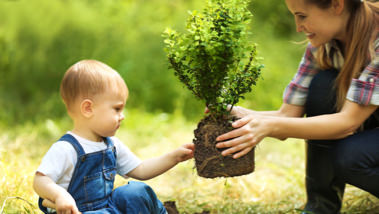
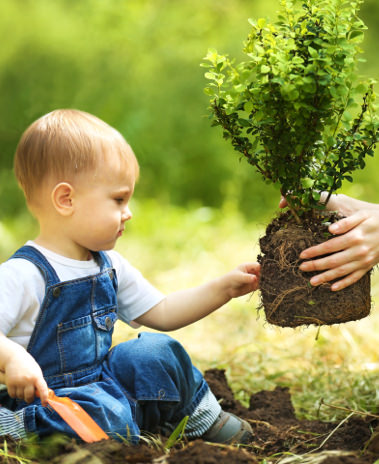
Queremos crear un mundo más sostenible, con economías estables y sociedades más justas e inclusivas. Un objetivo difícil pero no imposible de alcanzar si contamos con la implicación de los gobiernos, las instituciones, las empresas y, sobre todo, de una ciudadanía responsable y comprometida.
-
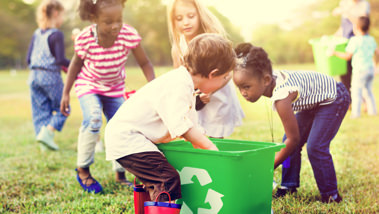
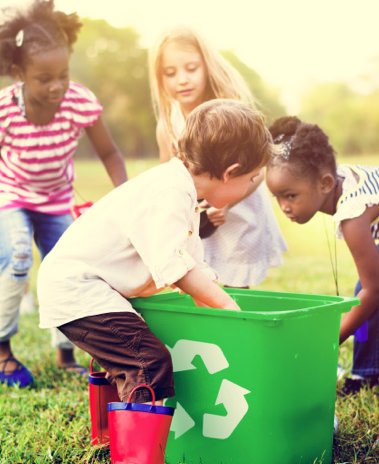
La educación ambiental para niños debe comenzar en la escuela. El destino del planeta está en sus manos y es importante que desde pequeños aprendan a racionalizar los recursos y a aportar su granito de arena en la lucha contra el cambio climático. En este difícil examen se juegan un mundo mejor, más sostenible y habitable.
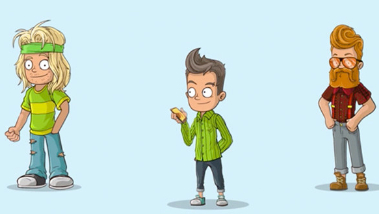

Las llamadas “generaciones” son formas de clasificar a las personas según el año en el que nacieron y el contexto histórico en el que crecieron. Sirven para estudiar cómo cambian las ideas, comportamientos y estilos de vida entre los distintos grupos de edad.


