


#Artificial Intelligence
Artificial Intelligence (AI) is a branch of computer science that enables machines to learn to perform autonomous tasks and make decisions. In renewable energy, AI optimises the use of resources such as wind and sun, adjusting systems in real time to maximise efficiency, reduce waste and ensure constant and sustainable supply.
-
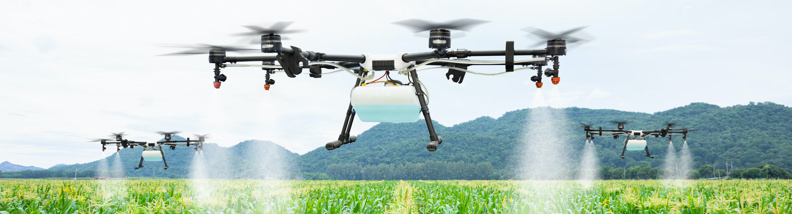
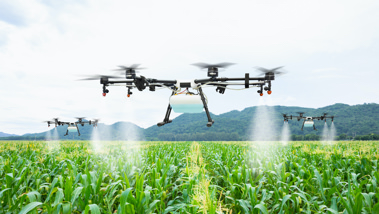
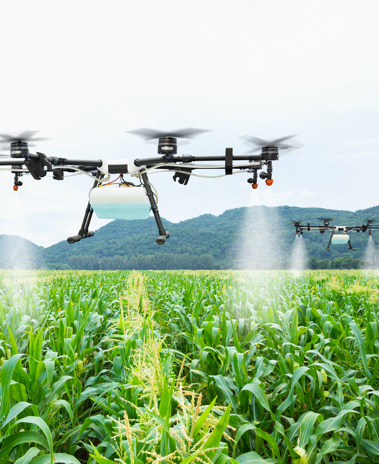
Drones that monitor hundreds of acres to assess the health of crops and animals, smart sensors to help in the early detection of infestations, and automatic systems that water, fertilise and fumigate each plot depending on its specific characteristics and on the weather forecast. These are just some of the virtues of smart farming - the concept that may help to eradicate hunger in an over-populated future.

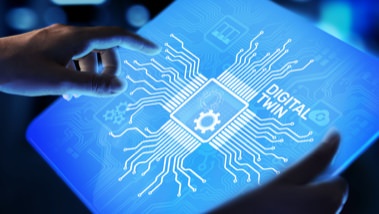

Wind turbines, engines or cranes can have a virtual replica that enables to prevent possible problems or risks and to experiment without compromising their operation before implementing new functionalities. It is not science fiction, they are digital twins, a disruptive technology that will be vital in the rise and progression of the Fourth Industrial Revolution.
-

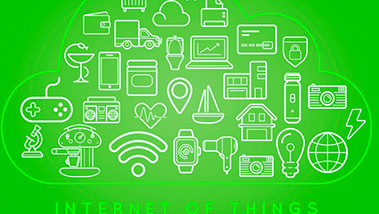

More than 75 billion devices are connected to the Internet of Things — IoT — and this figure is set to triple in just three years. Objects will become smart and the world will undergo a fourth industrial revolution.



Industry 4.0 is the origin of a new revolution — the much-hailed Fourth Industrial Revolution — a fusion of leading-edge production techniques and smart systems that integrate with organisations and people. Come with us on a journey through the technologies driving this process and its accelerating advance.
-
Artificial intelligence is set to accelerate the global adoption of autonomous vehicles, technology that is already in operation under controlled conditions in the United States, China and Europe. To become a widespread reality, manufacturers face the challenge of guaranteeing maximum safety for future buyers and users.
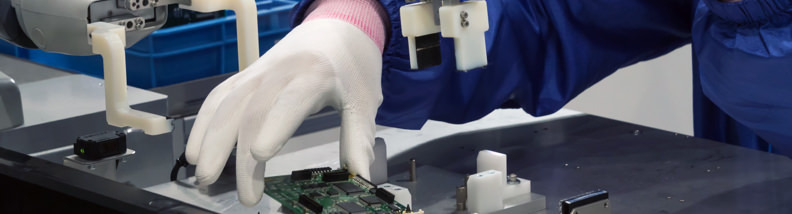
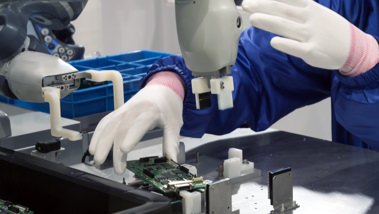
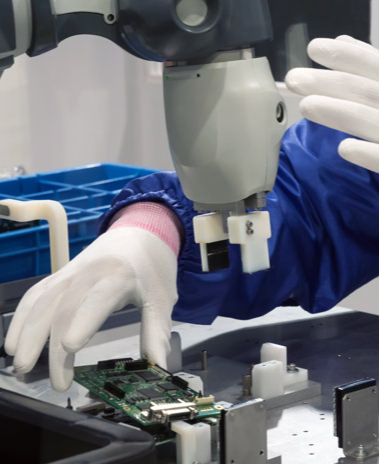
Robots and humans can work together like colleagues thanks to the boom in collaborative robots. The use of cobots in industry is changing production processes because unlike industrial robots, they work efficiently, safely and skilfully with other employees on all types of tasks.


