


#decarbonisation
Decarbonisation is the process of reducing the amount of carbon, mainly carbon dioxide (CO2), sent into the atmosphere. Its objective is to achieve a low-emission global economy to attain climate neutrality via the energy transition.
-
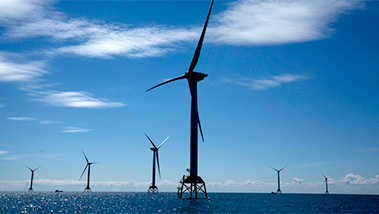
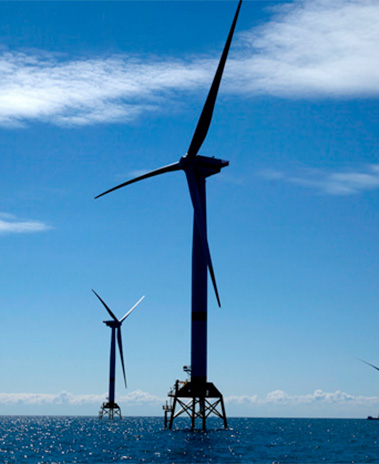
From wind and solar to nuclear and green hydrogen, we break down the different energy sources and explore their role in reducing emissions, creating jobs and driving energy independence.
From wind and solar to nuclear and green hydrogen, we break down the different energy sources and explore their role in reducing emissions, creating jobs and driving energy independence.
-
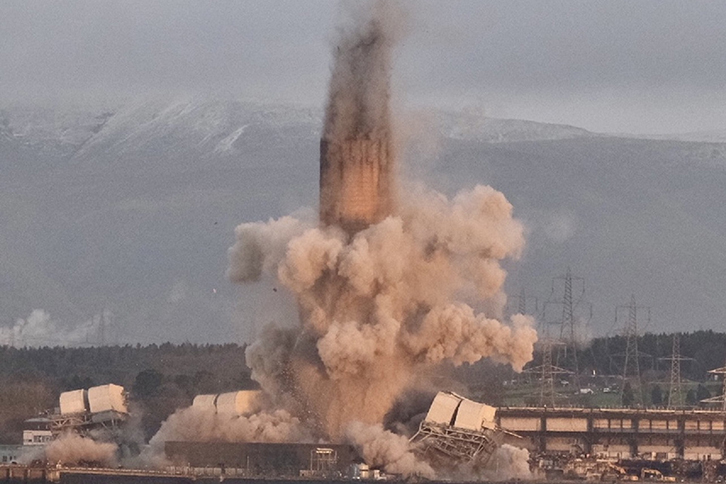
Scotland's First Minister, Nicola Sturgeon, pressed the button that activated the 700 kg of explosives that brought down what was until today the tallest free-standing structure in the country. It is the chimney of the Longannet power station,...
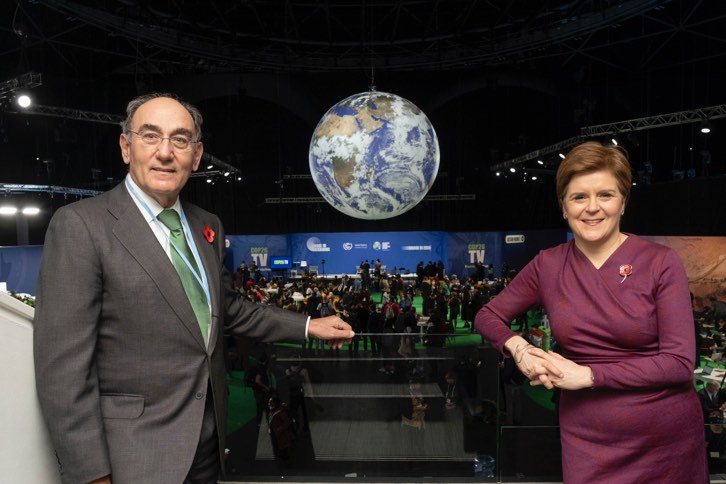
"Iberdrola sets an example for green hydrogen production and the decarbonisation of the country". That was the message received by Ignacio Galán, the chairman of Iberdrola, from Scottish Prime Minister Nicola Sturgeon, at a meeting held this...
-
 Facebook Nicola Sturgeon, prime minister of Scotland, told Ignacio Galán: "Iberdrola
sets an example for green hydrogen production and the decarbonisation of
the country"
Facebook Nicola Sturgeon, prime minister of Scotland, told Ignacio Galán: "Iberdrola
sets an example for green hydrogen production and the decarbonisation of
the country"
-
 Twitter Nicola Sturgeon, prime minister of Scotland, told Ignacio Galán: "Iberdrola
sets an example for green hydrogen production and the decarbonisation of
the country"
Twitter Nicola Sturgeon, prime minister of Scotland, told Ignacio Galán: "Iberdrola
sets an example for green hydrogen production and the decarbonisation of
the country"
-
 Linkedin Nicola Sturgeon, prime minister of Scotland, told Ignacio Galán: "Iberdrola
sets an example for green hydrogen production and the decarbonisation of
the country"
Linkedin Nicola Sturgeon, prime minister of Scotland, told Ignacio Galán: "Iberdrola
sets an example for green hydrogen production and the decarbonisation of
the country"
-
 Whatsapp
-
-
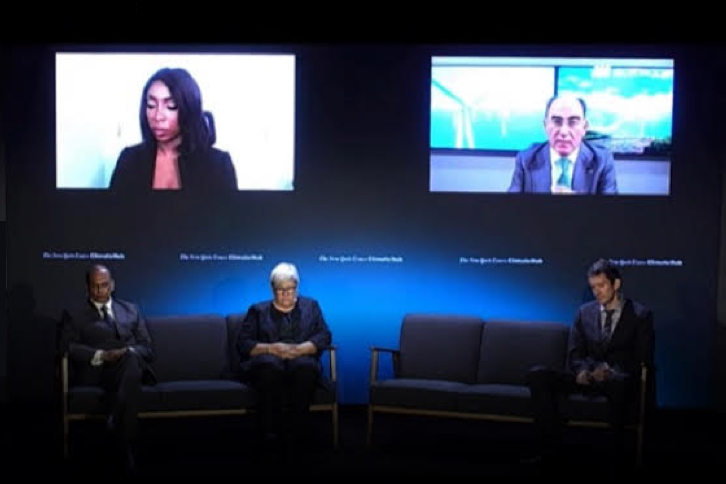
Iberdrola group chairman Ignacio Galán took part in The New York Times Climate Hub meeting organised in the context of COP 26 which is currently taking place in Glasgow. The panel discussion dealt with the most urgent questions of our time: How...
-
Facebook "We have the technology, social consensus and financial resources, but we
need to be faster when it comes to decarbonisation"
-
Twitter "We have the technology, social consensus and financial resources, but we
need to be faster when it comes to decarbonisation"
-
Linkedin "We have the technology, social consensus and financial resources, but we
need to be faster when it comes to decarbonisation"
-
Whatsapp
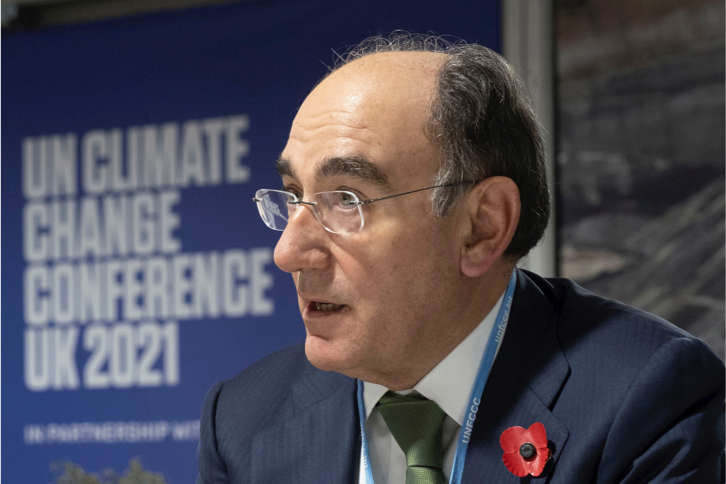
The chairman of Iberdrola, Ignacio Galán, took part in the Powering Past Coal Alliance (PPCA) event this morning. The coalition of governments and companies was set up in 2017 to promote policies and investment plans aimed at phasing out of...
-