


News
2026-06-02 10:40:00.0 - 2026-06-02 10:40:00.0 UTC +02:00Iberdrola promotes the electrification of industry with eight projects that will mobilise 150 MW of renewable energy


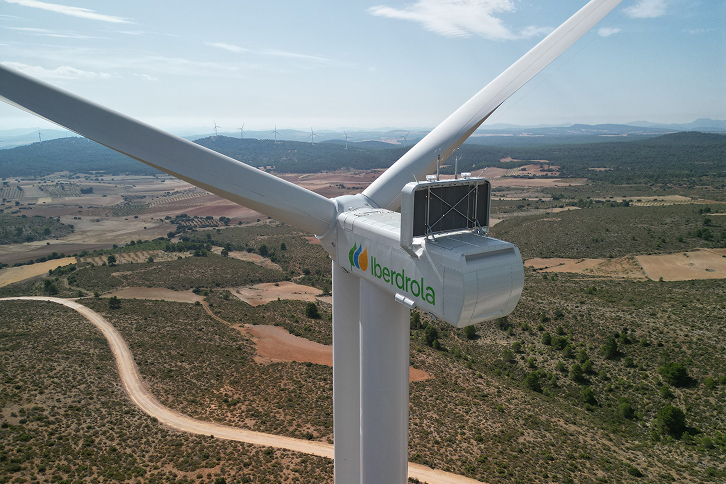
Iberdrola promotes the electrification of industry with eight projects that will mobilise 150 MW of renewable energy
 Iberdrola promotes the electrification of industry with eight projects that will mobilise 150 MW of renewable energy
 - The company obtains European aid for eight heat electrification projects in energy-intensive sectors, in the first auction of the European Commission's 'Innovation Fund'
- The initiatives will make it possible to replace fossil fuels with renewable energy through electric boilers, strengthening the competitiveness of the participating companies
Iberdrola has been awarded eight projects in the first European auction for the decarbonisation of industrial heat promoted by the European Commission's 'Innovation Fund', an initiative that will accelerate the replacement of fossil fuels with renewable energy in energy-intensive industrial sectors.
The initiatives, based on the direct electrification of heat using electric boilers, will require approximately 240 GWh per year of electricity from renewable sources. The programme will significantly reduce carbon dioxide emissions associated with industrial processes with high energy demand, strengthening the competitiveness of the participating companies.
The actions will be deployed in sectors such as food and beverages, chemicals, manufacturing, tires, mining and other industrial areas, consolidating electrification as one of the main levers to advance in the decarbonization of industry.
With this award, Iberdrola reinforces its role as a strategic partner of the industry in its electrification process, offering solutions that reduce exposure to the volatility of fossil fuels and advance the sustainability and emission reduction objectives required by European regulation and the market.
65 selected projects
The European auction, managed by the European Climate, Infrastructure and Environment Executive Agency (CINEA), has selected 65 projects in ten European countries, with nearly 400 million euros in aid. Spain leads the call with 24 of the 65 awards.
In the case of Iberdrola, the set of selected initiatives adds up to nearly 50 million euros in aid, which represents approximately 35% of the total granted in Spain and represents a significant boost to accelerate the electrification of industrial heat in the country.
In addition to reducing emissions, the initiatives will allow participating companies to move towards more efficient, competitive and resilient energy models, thanks to long-term contracts that provide stability and visibility on the cost of decarbonised heat.
The execution of these projects includes long-term power purchase agreements (PPAs) that will mobilize more than 150 MW of renewable energy. These actions are in addition to two other PPAs signed by Iberdrola in Spain with companies in the metallurgical and data centre sectors, which together represent another 90 MW of renewable energy.
Comprehensive solution
Iberdrola offers a comprehensive solution that covers the design, construction and operation of the facilities, as well as the supply of the renewable energy necessary to produce electrified heat. The aim is to minimise the impact on factory operations and facilitate efficient and easy decarbonisation for industrial customers.
"This aid allows us to accelerate real, mature initiatives that improve the competitiveness of our customers, reduce their cost of heat, reduce their exposure to the volatility of fossil fuels and advance decarbonisation objectives," says Fernando Mateo, head of industrial decarbonisation at Iberdrola. "The direct electrification of industrial heat is one of the most effective levers to cut emissions in the short term, and the European auction shows that there is a solid portfolio of viable projects to be deployed from now on," he said.
The award comes at a key moment for electrification in Europe. The European Commission is already working on a second call for industrial heat auctions scheduled for the coming months, with the aim of continuing to accelerate the replacement of fossil heat with clean solutions and technologies.
Iberdrola works with customers in energy-intensive sectors to accelerate the implementation of clean technologies, strengthen the competitiveness of the industrial fabric and move towards a more sustainable and energy-efficient economic model.