


Electricity transmission and high voltage infrastructure
Grid Backbone: interconnectors and security of supply
Electricity transmission is a key pillar of the energy system, ensuring that the energy generated reaches urban centres and industrial hubs safely, efficiently and continuously through distribution networks. At Iberdrola, we are driving the development and modernisation of electricity infrastructure through investment in digital, resilient and sustainable networks that strengthen quality of supply and facilitate the integration of renewable energy.

Electricity transmission is the activity that moves large volumes of electrical energy from generation plants to distribution networks through high and very high voltage (HV) power lines and substations, minimising losses and ensuring the stability and quality of the system.
Given its importance, our Strategic Plan 2025-2028 includes €37 billion of investment in networks, mainly in the United Kingdom and the United States. Of this total, €12 billion will be allocated to electricity transmission infrastructure and a further €25 billion to strengthening and digitalising distribution networks. This effort will support the integration of new renewable capacity and the deployment of increasingly distributed energy solutions and services.
Developing green energy corridors for a clean and sustainable future
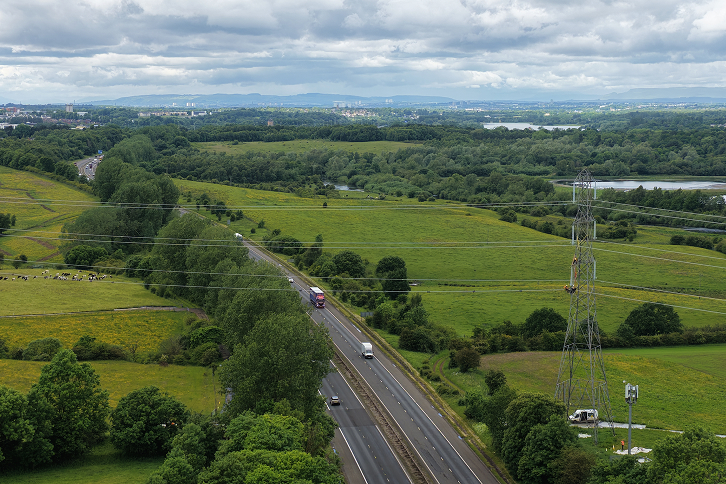
Transmission infrastructure integrated into a clean energy system is known as green energy corridors. These networks act as large electricity highways, connecting major renewable generation centres with areas of highest demand – primarily industries and cities – through their links to distribution networks.
These infrastructures make it possible to transport large volumes of clean electricity over long distances safely and efficiently.
High and very high voltage networks are essential to accelerating electrification, reducing emissions and maximising the wind, solar and hydroelectric potential of each region. Their design enables the electricity system to maintain real-time balance between supply and demand and supports the growing integration of renewable energy.
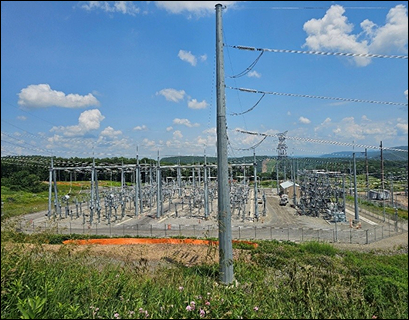
In this context, Iberdrola is promoting the planning and construction of new high voltage power lines, substations and strategic links, as well as the modernisation of existing electricity infrastructure. The result is a stronger, more digital and future-ready network capable of supporting the growth of renewables and new electricity uses.
Large-scale renewable integration and network stability
The large-scale integration of renewable energy is transforming how the electricity system operates, enabling more efficient use of natural resources and meeting demand with clean power. Electricity transmission networks play a central role in this model by coordinating energy flows, ensuring secure supply and maintaining the balance between generation and consumption.
Key elements ensure the safe and efficient integration of renewables into the network:
-

Optimised system balance
Precise coordination of generation and demand maintains system stability and quality of supply.
-

Smart renewable management
Planning and control tools maximise the use of wind, solar and hydroelectric energy.
-

Digitalisation and automation
Technologies such as sensors, control centres and intelligent systems enable precise and efficient network operation.
-

Energy storage support
Batteries and other solutions allow surplus clean energy to be used and provide flexibility to the system.
-

Resilience and reliability
Robust infrastructure ensures continuous, high-quality supply under all conditions.


Iberdrola, global benchmark in electricity networks

At Iberdrola we promote an electrified energy model based on electricity transmission and distribution networks, renewable power generation and efficient energy storage, enabling the delivery of secure, self-sufficient and competitive energy.
The flexibility, digitalisation and automation of electricity networks make it possible to create a new interconnected map that responds to the needs of energy users and producers.

267,899 km

171,875 km


1,373,716 km of electricity lines

760,970 km

172,971 km

Technological vanguard: HVDC and offshore transmission systems
To advance towards a clean and sustainable energy model, Iberdrola is committed to cutting-edge electricity transmission technologies. These innovations enable the efficient transport of clean electricity over long distances, reduce losses and ensure network stability both onshore and offshore, creating a more connected, flexible and resilient system.
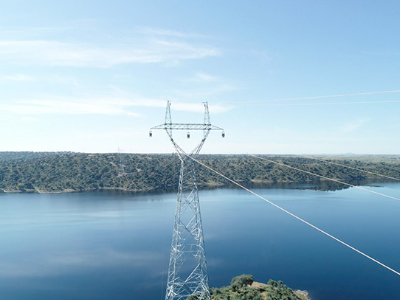
High voltage direct current (HVDC) technology for long distances
High voltage direct current (HVDC) technology enables large volumes of electricity to be transmitted over much longer distances than traditional alternating current, with significantly lower losses. This technology connects remote renewable generation sites with major demand centres, supporting the expansion of renewable energy and improving network efficiency.
Find out more about the difference between high, medium and low voltage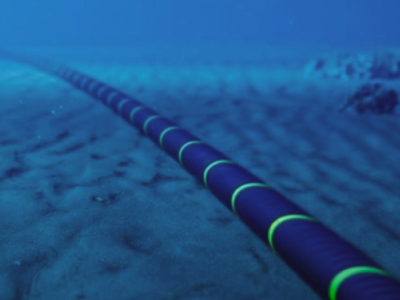
Subsea cables and offshore wind energy export
Subsea cables are a key component of modern electricity infrastructure. They enable offshore wind farms and island systems to connect to mainland networks and also link regions within the same country. These connections act as strategic green energy corridors, transporting large volumes of electricity, strengthening system stability and supporting a more sustainable energy model with lower environmental impact.
Find out more about submarine cables
High voltage direct current (HVDC) technology for long distances
High voltage direct current (HVDC) technology enables large volumes of electricity to be transmitted over much longer distances than traditional alternating current, with significantly lower losses. This technology connects remote renewable generation sites with major demand centres, supporting the expansion of renewable energy and improving network efficiency.
Find out more about the difference between high, medium and low voltage
Subsea cables and offshore wind energy export
Subsea cables are a key component of modern electricity infrastructure. They enable offshore wind farms and island systems to connect to mainland networks and also link regions within the same country. These connections act as strategic green energy corridors, transporting large volumes of electricity, strengthening system stability and supporting a more sustainable energy model with lower environmental impact.
Find out more about submarine cablesThe role of transmission in cross-border interconnections
Electricity transmission plays a critical role in international interconnections, enabling power to flow between national systems as if they formed a single network. Through high voltage power lines and subsea cables, countries can exchange energy based on supply and demand, exporting surplus renewable generation and importing electricity during peak demand or disruptions. This interconnected structure improves security of supply, reduces risks and enhances system flexibility and resilience.
A clear example of this is the New England Clean Energy Connect (NECEC), an Iberdrola-led project linking the electricity networks of Canada and the United States. This high voltage interconnector transports renewable energy from Canadian hydroelectric plants to the New England region, strengthening system security, reducing emissions and demonstrating the importance of electricity transmission beyond national borders.
Transmission network operations in the UK, US and Brazil
Iberdrola leads key electricity transmission projects in major energy markets such as the United Kingdom, the United States and Brazil, developing advanced infrastructure that strengthens network capacity and facilitates large-scale renewable integration. The company is also expanding into Australia, where it has been selected to develop a transmission project.

Grids: “The backbone of the present and future of electric mobility”
Our flagship transmission projects
-
NECEC: connecting Canada and the United States to supply renewable energy to New England

-
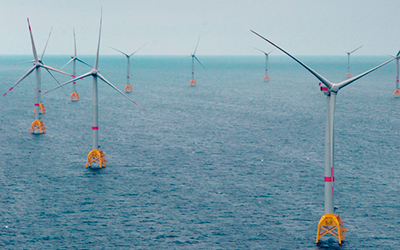
Eastern Green Link 1: an undersea electric conduction superhighway linking the North Sea to England
-
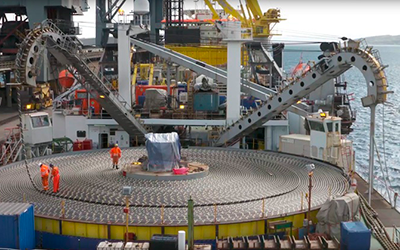
Western Link: the project laying the world's longest underwater power line
-
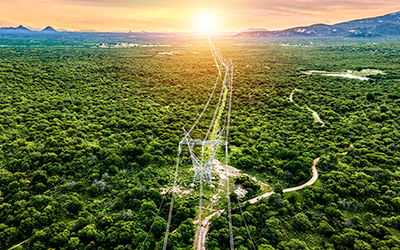
1,600 kilometres of power line in Brazil: Our largest grid project in the world


In 2025, Iberdrola Australia was selected as a strategic partner to develop the VNI West (Victoria to New South Wales Interconnector West) project, a key piece of electricity infrastructure linking the states of Victoria and New South Wales. This 240 kilometres, 500 kV double-circuit line is expected to increase bidirectional transfer capacity by up to 3,500 MW, marking Iberdrola’s entry into electricity transmission networks in Australia and reinforcing its commitment to electrification in stable and attractive regulatory environments.
Asset modernisation and high voltage digitalisation
Upgrading transmission assets and digitalising high voltage networks are key levers for improving operational efficiency, anticipating maintenance needs and optimising responses to changes in electricity demand. Iberdrola is leading this transformation through innovation in smart, digital and multidirectional networks capable of automating processes.
Projects such as Predict4Resilience  External link, opens in new window. in the United Kingdom use artificial intelligence to forecast network faults up to seven days in advance, improving preparedness for extreme weather. In the United States, initiatives such as FIRM External link, opens in new window. (Flexible Interconnections and Resilience for Maine) are deploying solutions including active network management and dynamic line monitoring to improve renewable integration without compromising system stability.
The company also continues to explore emerging technologies through pilot projects, including generative AI and quantum computing to model networks and optimise resilience, as well as virtual reality through BIM (Building Information Modelling) for the design of new electricity infrastructure.
Investment projects in infrastructure and future supergrids
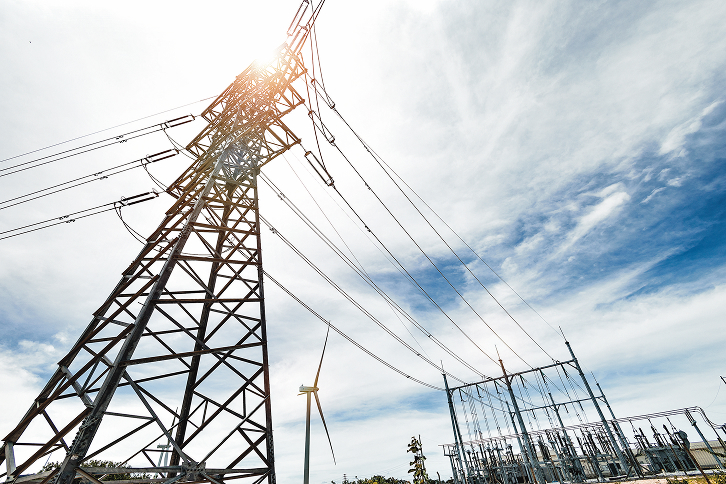
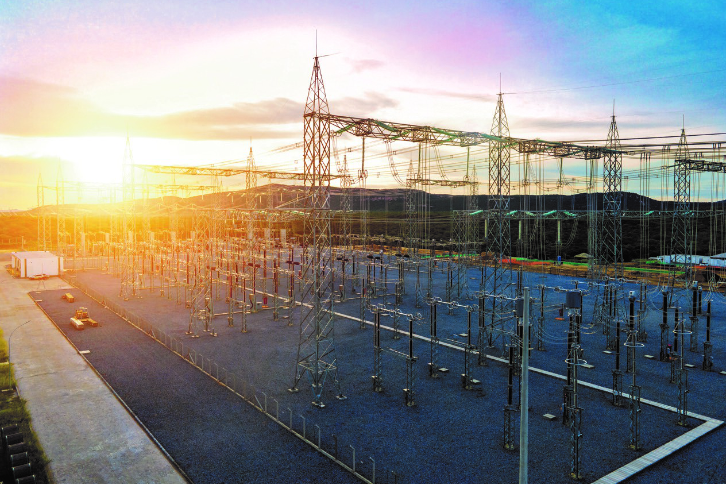
The development of new electricity transmission infrastructure is essential to building the supergrids of the future: highly integrated, digital and high-capacity systems that connect regions, enable the exchange of clean energy and ensure secure, efficient supply at scale. These networks act as true international electricity highways supporting the growing electrification of homes, industry and mobility.
Iberdrola maintains a strong investment commitment to expand, strengthen and modernise electricity infrastructure in countries with stable, predictable and attractive regulatory frameworks.

Transmission network robustness and cybersecurity
For these investments to drive transformation, critical electricity transmission infrastructure must operate safely, continuously and reliably under all conditions. Ensuring reliability requires strengthening both the physical resilience of assets and the digital protection of the systems that manage them.
At Iberdrola, this is achieved through a combination of predictive maintenance, digitalised operations and strict cybersecurity protocols to anticipate risks, enhance resilience and protect systems against external threats and adverse conditions.
Key actions include:
-

More resilient infrastructure
Find out more about climate resilienceLines and substations designed to withstand extreme weather conditions and ensure continuity of supply.
-

Predictive maintenance
More about predictive maintenanceAdvanced data analysis enables real-time monitoring, early fault detection and faster response times.
-

Advanced control centres
More about the SCADA systemContinuous network supervision and coordinated management of electricity flows ensure system stability and quality of supply. This work is carried out from our control centres, and we use techniques such as the SCADA system.
-

Protection of digital systems
More about innovation in networksSecure architectures, network segmentation and dedicated protocols safeguard operational environments.
-

Cybersecurity culture
More about Iberdrola and cybersecurityOngoing training, audits and contingency planning strengthen prevention and response capabilities.


Environmental integration of power lines and biodiversity protection
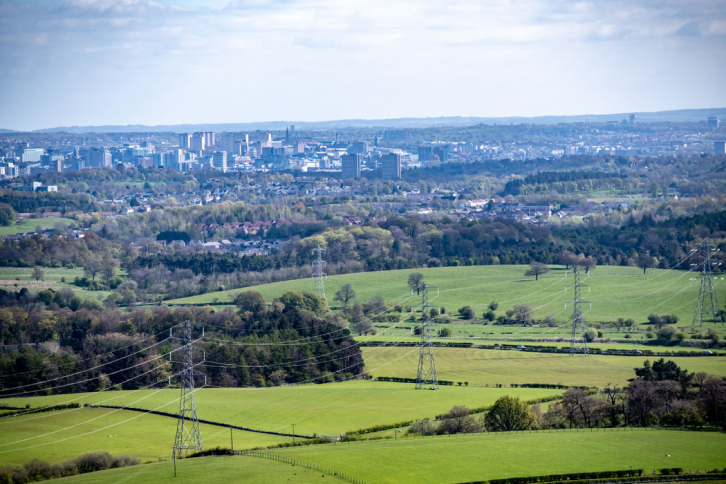
The development of electricity transmission infrastructure is carried out with a responsible approach that prioritises environmental integration and biodiversity protection from the earliest planning stages. Route design, substation siting and infrastructure layout aim to minimise land use, avoid sensitive areas and reduce visual impact, ensuring balanced coexistence with the natural environment.
Iberdrola combines engineering and technology solutions to make its networks increasingly sustainable. Measures include bird protection systems, environmental monitoring and digital tools that optimise operations with a lower ecological footprint.
Through its PERSEO international start-up programme, the company also promotes innovative solutions that enhance both network modernisation and environmental conservation, improving the integration of electricity infrastructure within ecosystems.
More on electricity transmission