Innovation in networks
Smart grids for a safer, more flexible and resilient electricity system
The transition towards a more flexible, multidirectional, digital and resilient electricity system requires the efficient integration of all energy resources. In this context, the electricity network is established as the backbone of electrification, playing an essential role as a link between generation and demand, electrifying sectors such as transport and industry, and incorporating new actors such as households, energy communities and distributed resources.
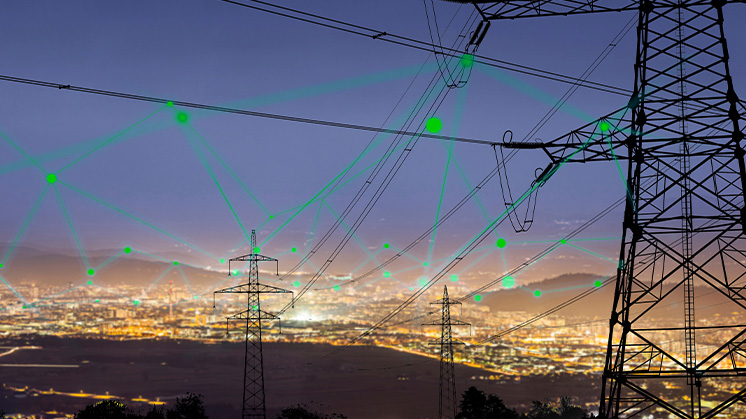
Iberdrola leads this transformation through the development of smart grids, multidirectional and highly digitalised, capable of automating processes and achieving unprecedented levels of operational performance. These networks enable real-time monitoring of the system, anticipate incidents and restore service in record times thanks to advanced control and telecommunications systems.
The digitalisation of networks opens the door to new products and services, improves supply quality and facilitates the integration of renewables and distributed resources such as storage, electric vehicles and heat pumps. Technologies such as Big Data, artificial intelligence (AI), machine learning, cloud computing and the Internet of Things (IoT) will be key to increasing the flexibility and resilience of the electricity system.
Through R&D&I in the Networks area, Iberdrola drives the evolution of the smart grid model, with the aim of improving customer service and progressing towards a more efficient, secure and sustainable electricity system.
Smart grids
In Spain, we continue advancing towards the role of Distribution System Operator (DSO), enabling ourselves technically and regulatorily to manage resources connected to the network more dynamically. This transformation relies on distributed technologies that allow more efficient use of infrastructures and encourage customer participation. Notable is the BeFlexible project, led by i-DE together with the Energy Management area, which seeks to increase the provision of flexibility services through effective coordination among actors.
In smart grids, we have deepened the digitalisation of electricity distribution, integrating technological and data capabilities to offer higher-value services, improve system demand response and reinforce service quality. Low-voltage digitalisation has been key to improving efficiency, reliability and safety. We have worked in three areas: advanced monitoring with digital equipment, the e-LVIS control system for low voltage, and enhanced operational management through the integration of new data. We have also developed technologies such as advanced sensors, expert algorithms and automatic systems that optimise operation, improve incident localisation and reinforce system resilience, positioning us as leaders in network digitalisation.
In Brazil, we have developed the GODEL family of solutions to drive smart grids, improve supply quality and reduce losses. These technologies enable advanced network management, interoperability between equipment, secure data transfer, interruption detection, loss monitoring and detailed analyses to identify areas for improvement. They also allow the calculation of technical and non-technical losses and the preparation of complete energy balances, reinforcing our role in the digital transformation of the Brazilian electricity system.
From Qatar, we develop advanced solutions to improve the planning, stability and operation of electricity networks. Notable tools include Connection Assessment Tool, Converters Control Interactions and Network Planning Tool, which apply artificial intelligence to forecast demand and prevent instabilities. Other initiatives include renewable scenario simulation, automatic classification of anomalous events and advanced converter controls in offshore wind farms, strengthening the resilience and efficiency of future networks.
In the United Kingdom, we lead two key projects: BLADE, which explores how offshore wind farms can contribute to restoring supply after blackouts, and Predict4Resilience, which applies artificial intelligence to predict network failures up to seven days in advance, improving storm preparedness. Both projects are developed in collaboration with universities, network operators and technology partners.
In the United States, we are deploying innovative technologies to modernise the electricity network in the state of Maine, facilitating renewable integration and strengthening system resilience. Through the FIRM project (Flexible Interconnections and Resilience for Maine), we implement solutions such as active network management and dynamic line monitoring, allowing more renewable generation to be connected without compromising system stability.
In addition to these advances, we continue innovating in emerging technologies through projects and proof-of-concepts. We have developed an AI-powered intelligent co-pilot to assist field technicians, trained with technical documentation and optimised with quantum computing. In robotics, we use autonomous inspection systems to improve efficiency and safety in maintenance. Examples include the AZTERTUZ project, which developed inspection technologies with deep learning, and Sparky, a quadruped robot that identifies defects in inspections using AI and can navigate complex terrains. Additionally, in the United States, we have inspected over 38,000 km of power lines using AI, drones and specialised vehicles.
We have also explored quantum computing, modelling low- and medium-voltage networks to maximise availability and resilience, identifying optimal nodes for energy storage and planning inspection routes, achieving significant reductions in calculation times compared to traditional methods. Virtual reality presents an opportunity in training, allowing employees to visualise complex facilities such as substations. Through immersive simulations in virtual environments, employees can practise critical procedures without real risks and avoid travel. Finally, we have adopted the BIM (Building Information Modelling) methodology based on three-dimensional digital models for the development of new electricity networks, improving planning, coordination and traceability of projects.
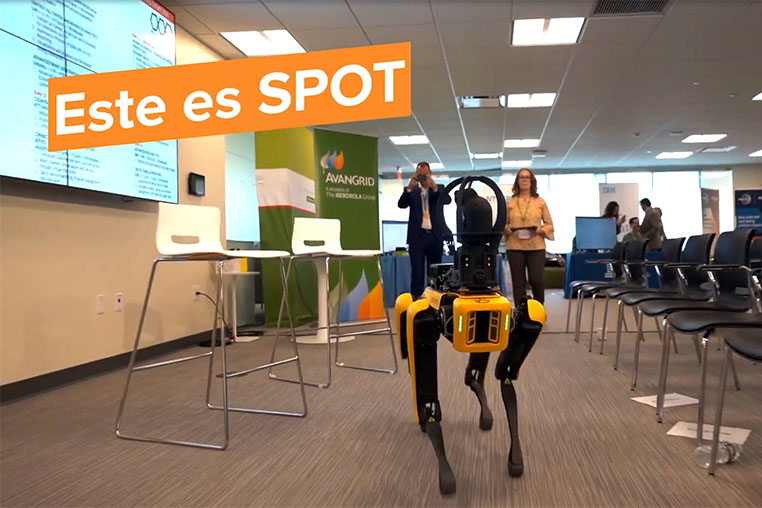

Meet Spot: The AI-powered robot that detects incidents in substations (video in Spanish)
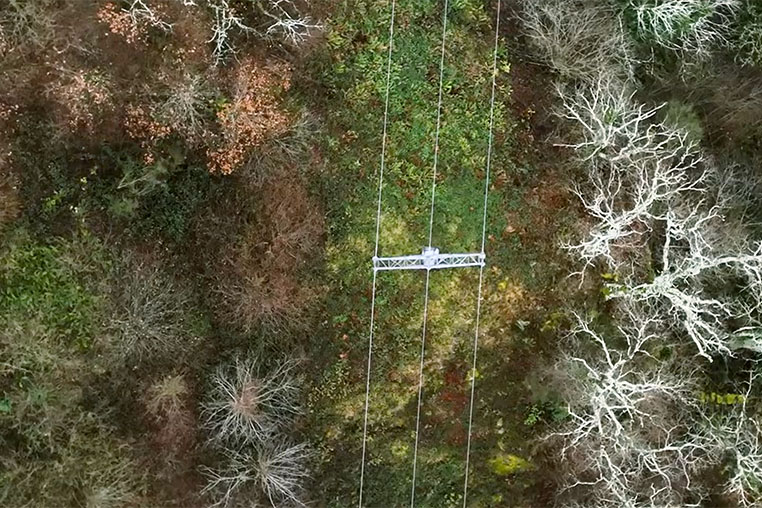

Valcarlos: The village that stores energy thanks to a battery (video in Spanish)
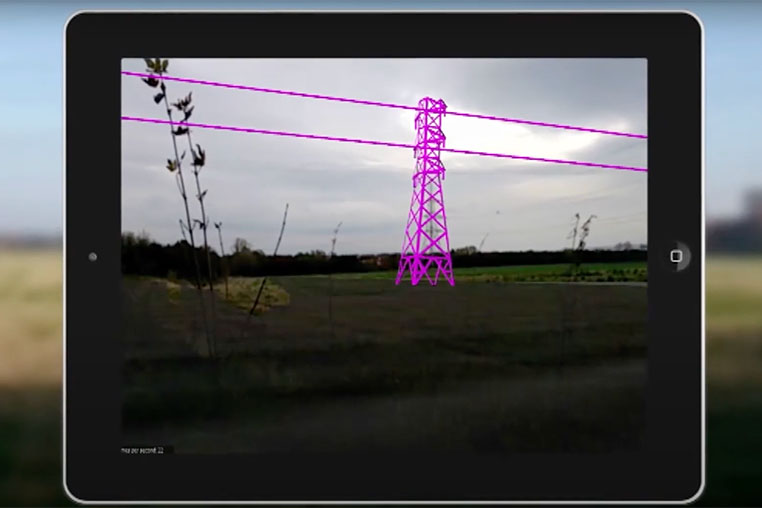

Projeto de revisão da linha Cartolidar (vídeo em espanhol)
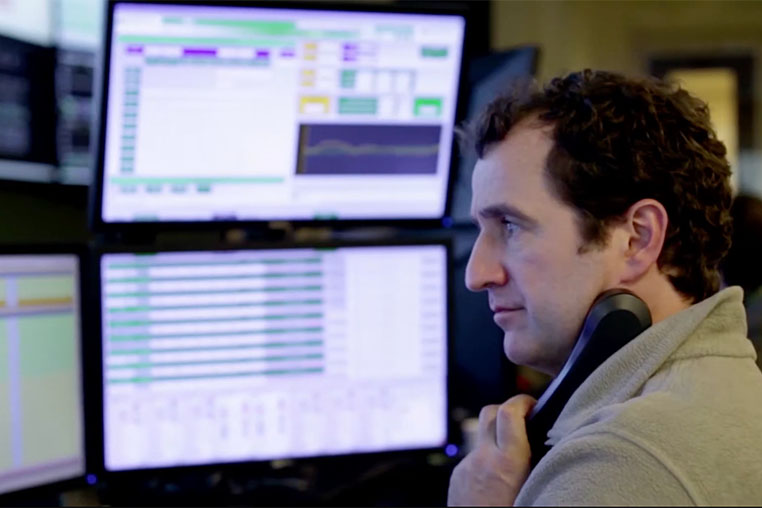

STAR Project. Iberdrola's smart energy (video in Spanish)