


#operating-plants
Check out the latest information on the dozens of renewable energy facilities we have in operation around the world. Plants that generate clean energy through technologies such as onshore wind, offshore wind, solar photovoltaic, hydro or green hydrogen, and network facilities that transport it to users, to accelerate everyone's path towards the decarbonisation of society.
-
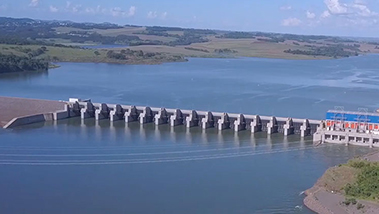
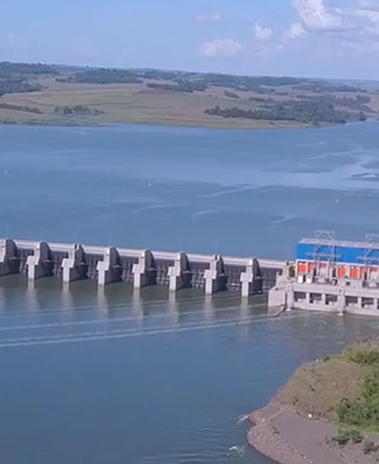
Iberdrola group, through its subsidiary Neoenergia*, has built the Baixo Iguaçu power station in Brazil. The facility, which was commissioned on December 2018, has an installed capacity of over 245 MW and supplies renewable energy to one million people.
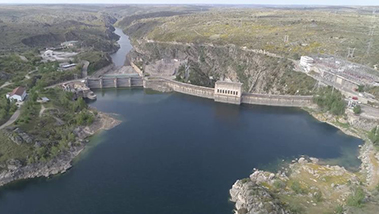
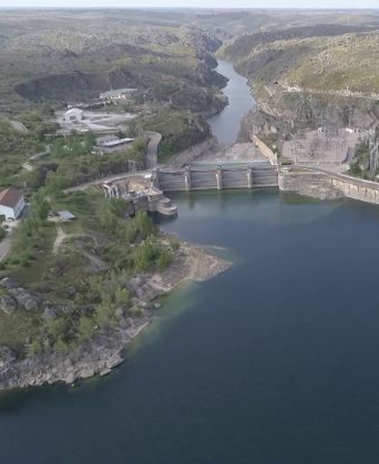
With almost a century of history, the Ricobayo I and Ricobayo II dams and hydroelectric power stations in Zamora were pioneers in electricity production in Europe. It was not in vain that the reservoir was considered one of the largest on the continent with its 1,148 hm³. Today, both plants have a total installed capacity of 328 MW.
-


This pumped-storage hydropower plant comprises three dams with a combined installed capacity of 1,158 MW.

The Prime Minister of Portugal, António Costa, and the Chairman of Iberdrola, Ignacio Galán, inaugurated this morning in Portugal the Tâmega gigabattery, the largest clean energy project in Portugal's history. It is a large hydroelectric...
-
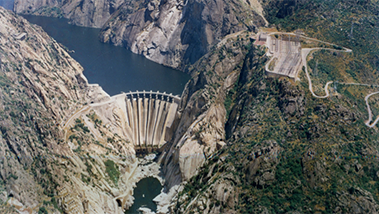
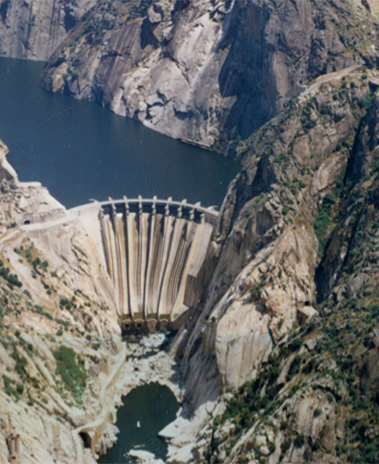
The construction of the Aldeadávila dam more than half a century ago represented one of the most important milestones in Iberdrola's history in Spain. This hydroelectric facility, located in a canyon in the Arribes del Duero Natural Park in Salamanca, is one of the largest generators of renewable electricity in the country, enough to supply 733,000 homes.


Iberdrola has begun operating its Cavar wind power complex in the Spanish region of Navarre, the first major facility of its kind commissioned in Spain since the health crisis. With an installed capacity of 111 megawatts (MW), it is also the company's largest wind farm built in Spain since 2012. Cavar complex will generate enough energy to power 46,500 households per year, preventing emissions of 84,000 tonnes of CO2 every year.


