News
-
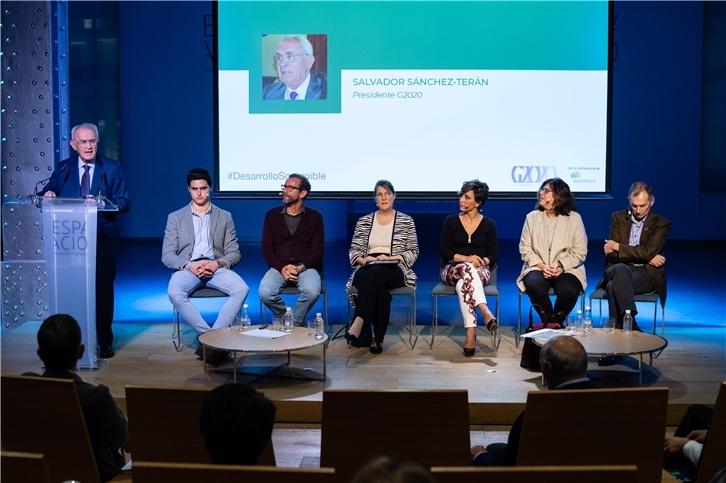
25/10/2018G2020: Public-private collaboration is essential for the fight against climate change Iberdrola and the G2020 platform held the seminar ‘Climate change and sustainable development. How can you contribute? It's in your hands in the headquarters of Fundación Telefónica in Madrid. The conference's goal was to analyse the response by the Government, and also from businesses and civil society, to stop climate change. During the meeting, experts highlighted the risks the planet is being subjected to in the face of global warming. The United Nations stated that 150 million deaths will be caused by atmospheric pollution; the organisation went on to explain that if the contaminating emissions are not reduced, the effect of global warming will cause sea level rise, longer periods of drought and extreme heat, the disappearance of certain species of animals and crops and a heightened risk of diseases spread by insects. Yet this scenario also presented opportunities. As the United Nations pointed out, if the average increase in temperature is limited to one and a half degrees, governments would save €26 billion and 18 million new jobs could be created. In this sense, the president of the G2020 Platform, Salvador Sánchez-Terán, appealed to the Government and civil society to fulfil the 17 Sustainable Development Goals (SDGs) included in the UN’s 2030 Agenda, which has paved the way to a global road map with a shared action plan. To succeed, he stressed that public-private collaboration was “vital” and “essential” in two key sectors: transport and energy, as sustainability in transport and journeys made by citizens, were based on reducing expenditure and on the gradual elimination of private vehicles, making travelling more efficient. Similarly, Sánchez-Terán applauded the fact that young people had detected the dynamic optimism that the plan triggers: “In many countries it is the young people who are the most motivated. They understand that ultimately they have “their” agenda and know that if they join forces and demand that Government act accordingly, they will achieve the goals.” “The 2030 Agenda inspires confidence and gives us optimism again, thanks to its open, motivating nature, the big impact that science and technology have in achieving the goals, and its long-term outlook. Globally there is no alternative,” he concluded. During the session, the Sustainability Area coordinator from the Fundación Alternativas, Clemente Álvarez, analysed the relevant role of the SDGs, while the executive director of Ecodes, Víctor Viñuales, explained the situation Spain finds itself in with climate change and how it is promoting sustainable development. The Spanish representative of the European Federation for Transport and Environment, Isabell Buschel, addressed the specific case of the transport and energy sectors in our country’s change of model. For her part, Beatriz Lara, board member of GLOBANT, stressed the role of companies in sustainable growth, while Rodrigo Ruano, president of the student association ICAI Speed Club, presented some sustainable initiatives that have been implemented by this association, including some noteworthy projects for the design and construction of electric vehicles. About the G2020 Platform The main goal of the G2020 Platform is to better society based on the conviction that more informed citizens are the key to maximising our chances of overcoming the growing challenges entailed by the panorama we face. This Platform believes that raising citizens’ awareness and knowledge is an essential step towards a democratic renewal and for renewing political and social values. This calls for practical approaches using collaborative intelligence in a society faced with profound changes. The pressing need for change presents extraordinary opportunities, but also major challenges in people's daily personal, professional and social lives. Iberdrola, committed to the SDGs Iberdrola has incorporated the Sustainable Development Goals (SDGs) defined by the United Nations for the 2015-2030 horizon into its business strategy and its sustainability policy, and it is a leader for its direct contribution to global objectives, particularly in its contributions in the field of energy and climate change. In this sense, the company focuses its efforts on the supply of safe, sustainable and non-polluting energy, which has made it a world leader in wind technology. Moreover, Iberdrola has always been firmly committed to reducing emissions and decarbonising the economy. The company has set the new environmental goal of achieving a 50% reduction in its CO2 emission intensity by 2030 over 2007 levels, and of being carbon neutral by 2050. READ MORE
-
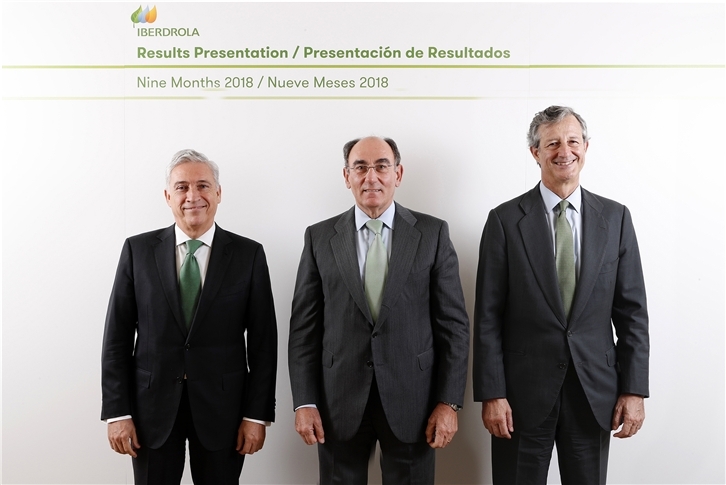
24/10/2018Iberdrola posts €2.09 billion net profit, 13.5% down, free of €759m extraordinary impacts of 2017 Iberdrola reported €2.09 billion net profit for the nine months to the end of September, 13.5% below the same period last year. This result was impacted by lower extraordinary income in the period (which in 2017 amounted to €759 million) and the worsening performance of Generation and Supply in Spain, in marked contrast with the positive business results elsewhere. In Brazil, Neoenergia’s net profit, which is 100% consolidated in the group’s accounts as of the second half of last year, stood at R$1.17 billion, up by 357%. In the USA, adjusted net profit for AVANGRID reached $511 million, growing 3%. In the first nine months of the year, the group’s ordinary net profit[1] was €2.05 billion, representing a 38% increase. Iberdrola’s revenues improved by 19.7% in the first nine months of 2018, reaching €26.28 billion. As a result of this, and despite a 12% escalation in taxes in Spain, Iberdrola’s gross operating profit (EBITDA) amounted to €6.719 billion, representing a growth of 22.5% relative to the same period of 2017. If the exchange rate effect (-€312 million) is excluded, the increase stands at 28.2%. In global terms, all the businesses posted double-digit growth in EBITDA: Renewables (+38.1%), Networks (+17.8%) and Generation and Supply (+17.4%). Thus 80% of group EBITDA came from regulated activities and revenues with long-term predictability, in accordance with the company’s strategy. However, the Generation and Supply business in Spain has suffered the negative impact of higher wholesale prices over the past few months, given the company’s net buying position in the wholesale market. In order to reduce the impact of wholesale price volatility on its P&L and on final clients, the company is maximising the amount of energy negotiated through bilateral contracts which represents 80% of the total, as opposed to the 20% of the daily pool market. Iberdrola also continued to improve its efficiency levels over the course of the year. Specifically, the ratio of net operating costs to gross margin increased by 180 basis points relative to the first nine months of 2017, to stand at 27.3% at the end of September. Iberdrola’s funds from operations (FFO) for the period January to September came to €5.25 billion, representing an increase of 12.5% over the same period last year. Regarding progress with its investment plan, by September the group had made net investments of €3.64 billion. Of this amount, 45% was allocated to Networks and 34% to Renewables, in line with its Strategic Outlook for 2018-2022, which envisage total investment of €32 billion in the period. Also, 85% is destined to international projects. As a result of the investments already made, Iberdrola will have 2,752 new megawatts (MW) in operation before the end of the year. By 2022, the company will have commissioned around 12,000 MW of additional capacity, whereby increasing 20% it’s global installed capacity. Specifically, Iberdrola will continue to reaffirm its commitment to offshore wind both in Europe and in the US, with the objective of attaining 3,000 MW of installed capacity with this technology by 2023. Necessary investment to deliver it stands at close to €9 billion. Also, after planned investments in the Networks area, driven by predictable regulatory frameworks, the group expects its regulatory asset base to increase by 38% between now and 2020. At the same time, the company continues to move ahead with its plan to rotate €3 billion worth of non-strategic assets by 2022. So far this year the company has made divestments of nearly €1.2 billion, including the recently announced sale of conventional generation assets in the UK and the solar-thermal power plant in Puertollano, Spain. The group’s net debt stands at €34.37 billion at the end of September. The ratio of FFO to net debt improved by 80 basis points in the third quarter alone, to 21%. In addition, 76% of the group’s debt is at fixed rates, thus protecting the company against potential episodes of interest rate volatility. Busines performance: all areas post double-digit growth All of Iberdrola’s businesses performed well in the first nine months of the year, with operating results showing double-digit growth. Networks posted EBITDA of €3.64 billion, up by 17.8%, with growth in all countries – Spain, the US, Brazil and the UK - if we exclude the exchange rate effect. In Renewables, EBITDA grew by 38.1% to €1.27 billion, thanks to the positive performance of all geographical areas: Spain, United States, United Kingdom, Brazil, Mexico and the rest of the world (ROW). Increased production in all regions and the coming on stream of Wikinger, Iberdrola’s offshore wind park in German waters of the Baltic Sea, have driven results in this area. Operating profit of the Generation and Supply business also improved by 17.4% to reach €1.32 billion. This growth has been on the back of growth in the United Kingdom, thanks to the normalisation of market conditions, and from Mexico, with the new capacity from Altamira and Bajío plants coming on stream. Iberdrola reaffirms guidance and increases dividend The positive evolution in operating results, driven by the acceleration of growth in all businesses, the increase in Networks’ regulated tariffs, new installed capacity, increased output and improved efficiency allow Iberdrola to reaffirm its guidance for the year-end. Thus, the group expects to exceed €9 billion in EBITDA for 2018 and to obtain a net profit of €3 billion, without taking into account capital gains on recent divestments. In line with these results, the company’s Board of Directors has approved an interim dividend of at least €0.15 gross per share, under the new edition of the Iberdrola Flexible Remuneration programme, allowing the more than 600,000 Iberdrola shareholders to choose between receiving payment in cash or in free new shares. This amount represents a 7.1% increase of from the interim dividend for 2017 (€0.14 gross per share). In addition to the above, there is also the complementary dividend for 2018, to be paid in July 2019 following its approval by the company's General Shareholders’ Meeting. [1] Excludes positive adjustments relating to the Gamesa merger, capital gains on Neoenergia and the revision of gas supply contract prices in Spain. READ MORE
-
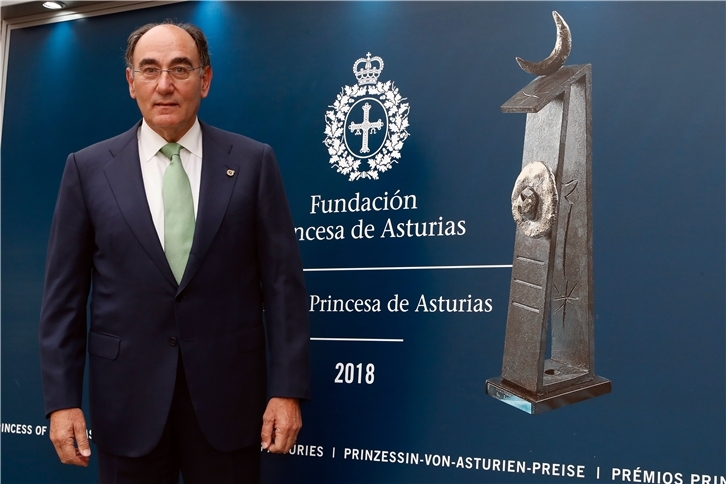
19/10/2018Ignacio Galán attends the presentation ceremony for the 2018 Princess of Asturias Awards The Iberdrola chairman attended the presentation ceremony for the 2018 Princess of Asturias Awards in Oviedo, together with other guests including the honorary chairman of Vocento, Santiago de Ybarra; the director of EL COMERCIO, Marcelino Gutiérrez; the director of the WHO Department of Public Health and Environment, María Neira; the president of RTVE, Rosa María Mateo; and the journalists Rosa María Calaf, Gloria Lomana, Andrés Aberasturi, Luis María Ansón and Luis del Olmo, to name but a few of the familiar faces. The winners of the 2018 Princess of Asturias Awards are: * ARTS: Martin Scorsese * COMMUNICATION AND HUMANITIES: Alma Guillermoprieto * INTERNATIONAL COOPERATION: Amref Health Africa * SPORTS: Reinhold Messner and Krzysztof Wielicki * LITERATURE: Fred Vargas * SCIENCES: Michael J. Sandel * TECHNICAL AND SCIENTIFIC RESEARCH: Svante Pääbo * CONCORD: Sylvia A. Earle READ MORE
-
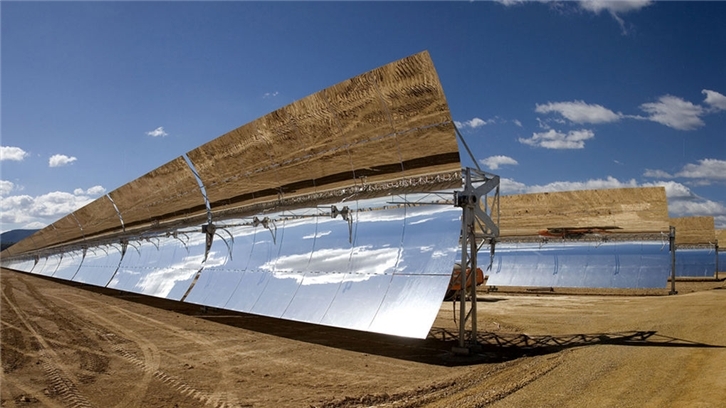
18/10/2018Iberdrola sells its solar thermal power plant in Spain Iberdrola has agreed to divest its solar thermal power asset located in the town of Puertollano, Ciudad Real (Spain) by selling it to ENCE. The transaction involves the sale of 90% of the shares in Iberdrola Energía Solar de Puertollano, S.A., the company which owns the 50-megawatt (MW) solar thermal generation unit. The transaction amounts to €181.1 million, of which €72.3 million correspond to the sale of Iberdrola Energía Solar de Puertollano, S.A. The remainder comprises the assignment to ENCE of the participating loan granted by Iberdrola to the company holding the shares, plus outstanding accrued interest. In addition, payment of a €6.3 million earn-out has been agreed. Thus, Iberdrola maintains its clean energy focus through wind, hydroelectric and solar photovoltaic technologies. The deal will have a positive impact in the 2018 consolidated results of the Iberdrola group, which will be quantified at the closing of the transaction. Also, both companies have reached an agreement whereby Iberdrola will operate and maintain the plant for two years. The sale is conditional on the partner holding the remaining 10% at Iberdrola Energía Solar de Puertollano, S.A., namely the Instituto para la Diversificación y Ahorro de la Energía (IDAE), waiving its right to preferential acquisition of the shares being transferred. Asset Rotation Plan to 2022 The divestment of this asset in Spain is part of the €3 billion asset rotation plan announced by Iberdrola at last February’s presentation of its Strategic Outlook for 2018-2022. The transaction is in addition to the recent divestment of its conventional generation assets in the United Kingdom, the sale of its gas storage business in the United States, as well as its minority stake in Tirme in Spain. The total amount of these transactions is close to €1.2 billion euros in 2018. About Iberdrola Iberdrola is a global energy leader, the biggest producer of wind power and one of the five top power companies in the world in terms of stock market capitalisation. The group is present in numerous countries and supplies energy to over 100 million people mainly in Spain, the United Kingdom (Scottish Power), USA (AVANGRID), Brazil (Neoenergia) and Mexico. With a workforce of 34,000 and assets in excess of €110 billion, it posted revenues of over €31.26 billion and a net profit of €2.8 billion in 2017 Iberdrola is leading the transition towards a sustainable energy model through its investments in energy from renewable sources, smart grids, large-scale energy storage and digital transformation in order to offer its customers the most advanced products and services. Thanks to its commitment to clean energy, Iberdrola is one of the companies with the lowest emissions and an international benchmark for its contribution to the fight against climate change and for the sustainability of the planet. Iberdrola is listed on numerous international sustainability indices, among them the Dow Jones Sustainability Index and FTSE4Good, and it is considered one of the most sustainable electricity utilities in the world. READ MORE
-
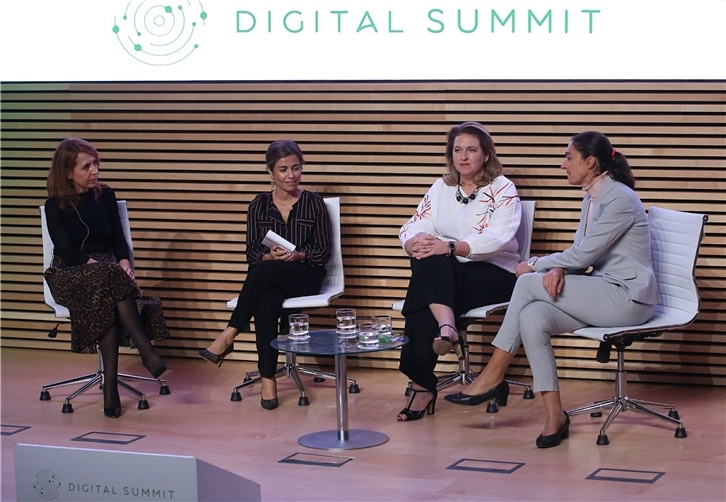
17/10/2018Iberdrola will invest 4.8 billion euros in digital transformation by 2022 Iberdrola plans to invest 4.8 billion euros in digital transformation between 2018 and 2022. This was announced by the company on the occasion of the company's fourth Digital Summit , held today and tomorrow at its San Agustín del Guadalix training campus (Madrid). Ignacio Galán, the group's chairman, stated that "digitalisation is one of our strategic pillars: it is providing new opportunities in all business areas, helping to reduce costs and create value for society". Digitalisation is one of our strategic pillars: it is providing new opportunities in all business areas, helping to reduce costs and create value for society Iberdrola will focus its investment effort on improving the operation and maintenance of its assets by using data analytics and artificial intelligence and increasing the availability of its generation plants. The company also plans to have installed 20 million smart meters in Spain, the United Kingdom and the United States by 2022. In addition, and as part of its commitment to digitalisation, Iberdrola will automate 100% of its high voltage network in the United States and increase the automation of its low voltage lines by 50%. This modernisation of its transmission and distribution assets will allow the company to detect possible frauds, losses and network failures as early as possible. The digitisation process will also offer improvements for customers, as it will allow them, for example, to manage their electricity consumption from mobile phones (Energy Wallet ) or to schedule charging their electric vehicles in advance (Smart Mobility ). First level speakers: Linkedin, Google, Uber, eBay, etc. These new options are being presented at Iberdrola's Digital Summit where, company directors, led by Chief Information Officer (CIO) Fernando Lucero and other senior managers from leading technology companies are participating, sharing best digitisation practices in their respective fields. These include, among others, Sarah Harmon, Director of Linkedin Spain and Portugal; Susana Voces, Director General of eBay Italy and Spain; Juan Galiardo, Director of Uber Spain; Ana Alonso, Director of Strategic Sales for Western Europe at Microsoft; Sofia Benjumea, Director of Campus Madrid at Google; Nuria Oliver, Director of Data Science Research at Vodafone, and Hans van Grieken, Director of EMEA Technology Research at Deloitte. As part of its digitalisation plan, Iberdrola has also set itself the objective of carrying out 75 innovation projects a year, with the aim of continuing to be the most innovative Spanish utility and the third in Europe, according to the European Commission's classification. The company will also continue to support disruptive ideas in the energy sector through its 70 million euro PERSEO-Start ups Programme . The aim of this initiative - in which55 million euros has already been invested - is to facilitate Iberdrola's access to the technologies of the future and to promote the creation and development of a global and dynamic ecosystem of technology companies and entrepreneurs in the electricity sector. About Iberdrola Iberdrola is a global energy leader, the biggest producer of wind power and one of the five top power companies in the world in terms of stock market capitalisation. The group is present in numerous countries and supplies energy to over 100 million people mainly in Spain, the United Kingdom (Scottish Power), the USA (AVANGRID), Brazil (Neoenergia) and Mexico. With a workforce of 34,000 and assets in excess of €110 billion, it posted revenues of €31.26 billion and a net profit of €2.8 billion in 2017. Iberdrola is leading the transition towards a sustainable energy model through its investments in energy from renewable sources, smart grids, large-scale energy storage and digital transformation in order to offer its customers the most advanced products and services. Thanks to its commitment to clean energy, Iberdrola is one of the companies with the lowest emissions and an international benchmark for its contribution to the fight against climate change and for the sustainability of the planet. Iberdrola is listed on numerous international sustainability indices, among them the Dow Jones Sustainability Index and FTSE4Good, and it is considered one of the most sustainable electricity utilities in the world. READ MORE
-
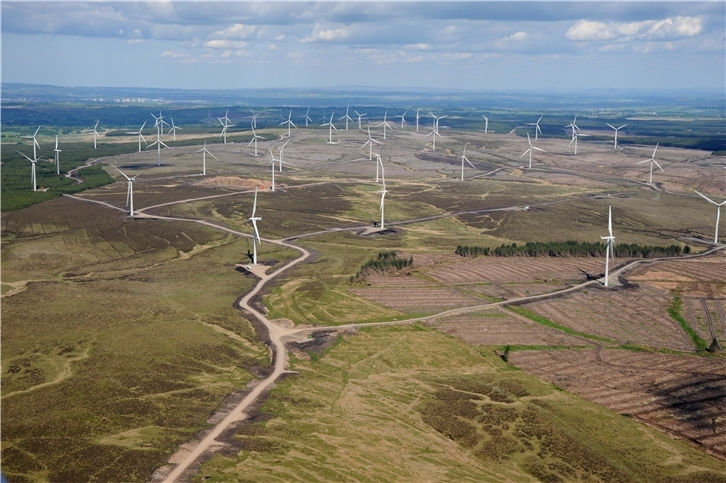
16/10/2018Iberdrola sells conventional generation assets in the United Kingdom, becoming the first 100% renewable energy company in that country Iberdrola, through its subsidiary ScottishPower, has agreed to sell its traditional generation assets in the United Kingdom to Drax Smart Generation, a subsidiary of the Drax Group for £702 million (€801 million). Thus, the company becomes the first 100% renewable integrated energy business in the UK, as it disposes of 2,554 megawatts (MW) of traditional generation power, which includes mainly combined cycle gas plants[1]. In recent years the company completed closure of the last coal-fired power plants in the country. The sale – subject to the usual third party approvals for this kind of transactions – represents a further step in Iberdrola group's commitment to moving towards a decarbonised economy, where the electricity sector should play a key role. The company's Chairman, Ignacio Galán, highlighted Iberdrola's commitment to the United Kingdom: "It is a key market for us and one of the present and future pillars of the group. We will be investing £5.5 billion by 2022, primarily in increasing our renewable capacity, developing more and smarter grids and offering more personalised and efficient solutions to our customers.” This will allow the company to continue increasing its weight in the United Kingdom, where it already has 2,700 MW of wind power capacity (installed or under construction), as well as a project pipeline in excess of 3,000 MW, of which 2,900 MW in offshore wind. These new developments will add to the 714-MW East Anglia One wind farm, which is currently under construction, and will become the world’s largest offshore wind farm when it goes into operation in 2020. Ignacio Galán, who pointed out that this operation forms part of the company's "standard rotation of assets", added that "the world is changing" and that "the energy companies should be part of the solution to climate change and not part of the problem". Asset rotation plan This divestment in the traditional generation business in the United Kingdom is part of the €3 billion euro asset rotation plan that Iberdrola announced last February, when it presented its Strategic Perspectives for 2018-2022. This transaction in the United Kingdom adds up to the sale of the gas storage business in the United States and the disposal of its minority stake in Tirme. The total amount for transactions announced in 2018 exceeds €1 billion. About Iberdrola Iberdrola is a global energy leader, the biggest producer of wind power and one of the five top power companies in the world in terms of stock market capitalisation. The group is present in numerous countries and supplies energy to over 100 million people mainly in Spain, the United Kingdom (Scottish Power), the USA (AVANGRID), Brazil (Neoenergia) and Mexico. With a workforce of 34,000 and assets in excess of €110 billion, it posted revenues of €31.26 billion and a net profit of €2.8 billion in 2017. Iberdrola is leading the transition towards a sustainable energy model through its investments in energy from renewable sources, smart grids, large-scale energy storage and digital transformation in order to offer its customers the most advanced products and services. Thanks to its commitment to clean energy, Iberdrola is one of the companies with the lowest emissions and an international benchmark for its contribution to the fight against climate change and for the sustainability of the planet. Iberdrola is listed on numerous international sustainability indices, among them the Dow Jones Sustainability Index and FTSE4Good, and it is considered one of the most sustainable electricity utilities in the world. [1] The assets included in the operation are the combined cycle power plants Damhead Creek (793 MW), Rye House (715 MW), Shoreham (420 MW) and Blackburn Mill (60 MW) and the hydroelectric plants Cruachan (440 MW), Lanark (17 MW) and Galloway (109 MW). READ MORE
-
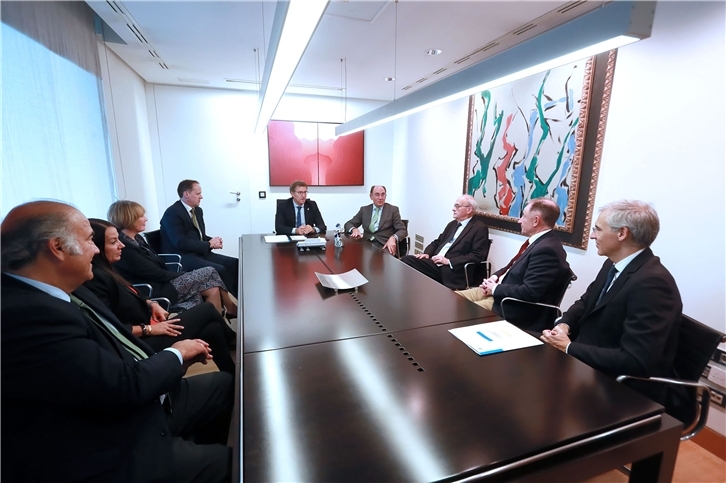
15/10/2018Ignacio Galán and the Board of Directors of Scottish Power, a subsidiary of Iberdrola in the United Kingdom, were received today by the President of the Galician Government, Alberto Ñúñez Feijóo, at an institutional meeting in Santiago de Compostela. During the meeting, Galán highlighted that Galicia has become a key region for the development of the company’s activity. Navantia-Fene has built the jackets of the East Anglia ONE offshore wind farm, which Iberdrola is building in British waters. The Galician shipyard is handling this order after its successful participation in the Wikinger offshore wind farm in Germany. These two projects are making a decisive contribution to the transition of traditional Galician industries towards future technologies, such as offshore wind farms. Ignacio Galán also underlined the company's commitment to Galicia, which is renewed year after year. The economic impact of Iberdrola's activity in this region exceeded 138 million euros in 2017. During this period, the company made purchases worth 79 million from more than 270 Galician companies and invested 15 million euros. Iberdrola has an installed capacity of 2,199 MW in Galicia, with 21 hydraulic plants (1,558 MW) and 19 wind farms (628 MW) in operation. In 2017, 98% of its production was generated by renewable energy. READ MORE
-
10/10/2018Iberdrola and Euskaltel sign the first PPA in Spain involving a telecommunications operator Iberdrola has signed a Power Purchase Agreement with Euskaltel to supply electricity produced from renewable sources on a long‑term basis. This makes it the first PPA signed between a power company and a telecommunications operator in Spain. All of the energy supplied will come from a renewable source: the Nuñez de Balboa solar plant that Iberdrola will be building in Usagre (Badajoz-Extremadura). It is set to be Europe's biggest solar power plant, with a capacity of 391 MW. This contract will save Euskaltel from releasing 7,740 tons of CO2 a year and will mean a step forward in the economic decarbonisation strategy. For Ángeles Santamaría, the Managing Director of Iberdrola Spain, “PPAs represent a huge opportunity for developing clean energy sources - the ones that will shape the future of the world's power. Renewables have proven their competitive advantage and their ability to supply power at affordable and stable prices. In the long‑term, PPAs - which are already highly developed in English‑speaking markets - will rise as an instrumental tool in managing the power supply for large consumers who are committed to achieving green and sustainable consumption.” The Managing Director of the Euskaltel Group, Francisco Arteche, stressed that environmental excellence is a key priority for all three of the companies involved: Euskaltel in the Basque Country, R in Galicia and Telecable in Asturias. “We aim to build a sustainable future for people and for the planet. This agreement represents a step froward in our environmental commitment and our support for policies that foster best environmental practice within our organisation, as we strive to comply coherently and responsibly with the 2030 Agenda guided by the 17 Sustainable Development Goals defined in the Paris Agreement.” Iberdrola's PPAs in Spain, USA and Mexico The term PPAs stands for Power Purchase Agreement and designates long-term power supply agreements that provide stability for investments made by energy providers whilst guaranteeing a reliable supply for major energy consumers at competitive and predictable prices. These arrangements also help them to reach their sustainability and climate change goals thanks to the clean energy certificates associated with PPAs. Over the past few years, Iberdrola has struck up long‑term power purchase agreements (PPAs) in Spain, the USA and Mexico. So far, in America they have signed PPAs with U.S. multinationals for over 800 megawatts (MW), including Amazon with a wind farm in North Carolina; Apple with the newly‑built solar and wind power plants in Oregon; and Nike and Google with wind farms in Oregon, Texas and South Dakota. In Mexico, Iberdrola has built wind farms and solar power plants with an installed power of 600 MW that will be supplying energy to private industrial clients through long‑term PPAs, as well as the clean energy certificates associated with these facilities. The world's first renewable company Iberdrola is the world's prime renewable energy company, boasting an installed capacity of over 29,400 MW, more than 15,800 of which are produced in Spain. After investing more than € 95 billion in clean energy over the past 18 years, this will continue to be one of its key courses of action. In fact, the company expects to invest € 32 billion by 2022, dedicating 37% to renewable projects. About Iberdrola Iberdrola is a global energy leader, the top wind power developer and one of the largest power companies in terms of world market capitalisation. The group is present in numerous countries and supplies energy to over 100 million people mainly in Spain, the United Kingdom (Scottish Power), the USA (AVANGRID), Brazil (Neoenergia) and Mexico. With a workforce of 34,000 and assets in excess of €110 billion, it posted revenues of just over €31.26 billion and a net profit of €2.8 billion in 2017. Iberdrola is leading the transition towards a sustainable energy model through its investments in energy from renewable sources, smart grids, large-scale energy storage and digital transformation in order to offer its customers the most advanced products and services. Thanks to its commitment to clean energy, Iberdrola is one of the companies with the lowest emissions and an international benchmark for its contribution to the fight against climate change and for the sustainability of the planet. Iberdrola is listed on numerous international sustainability indices, among them the Dow Jones Sustainability Index and FTSE4Good, and it is considered one of the most sustainable electricity utilities in the world. About Euskaltel Euskaltel is the leading telecommunications operator in the Basque Country. Together with R in Galicia and Telecable in Asturias, these three companies comprise the dominant telecommunications group in north of Spain, which strives to provide comprehensive coverage for people's communication needs and to boost business productivity, equipping companies with communication and information management tools, and generally driving economic and social growth in the regions where it operates. The Group is firmly committed and deeply rooted in the Basque Country, Galicia and Asturias, where business is run through its operators Euskaltel, R and Telecable. The Euskaltel Group is backed by a team of 705 people, as well as generating over 4,200 indirect jobs in these three Spanish regions. Its scope reaches a network of 6 million people, providing some 2.4 million services every day. The Group is a leader in fibre optics (broadband, telephony, subscription TV and convergent telecommunications services), offering the broadest Wi-Fi network in the Basque Country, Galicia and Asturias and over 436,000 access points. It is also a mobile phone operator with its own 4G licence and deploys its own network thanks to an LTE licence. In keeping with its strategy to combat climate change and its effects, and in line with the Sustainable Development Goals and with the 2030 Agenda for Sustainable Development, Euskaltel has defined and put in place an Environmental Steering Plan that involves lessening its carbon footprint among its key strategic goals. To achieve that goal, it is taking several measures, including agreements to use clean, renewable energy. READ MORE