


#R&D
Innovation is one of the main tools for a company to guarantee its sustainability, efficiency and competitiveness. In our case, our continued commitment to innovation has made us the most innovative Spanish utility, and the third most innovative in Europe, according to the European Commission's classification.
-
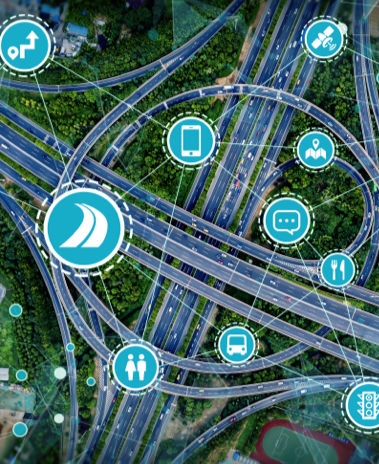
The unstoppable growth of big cities is a daily challenge for sustainable mobility. Thanks to the digital revolution, tools like big data and concepts like car sharing have become vital components in creating smart cities with high-performance mobility systems. Let's take a look at some of the key aspects in the future of mobility and the trends that will revolutionise the way we move.


What makes a country a benchmark for innovation (R&D)? Parameters such as the GII (Global Innovation Index) serve as a scale for discovering the most innovative countries.
-

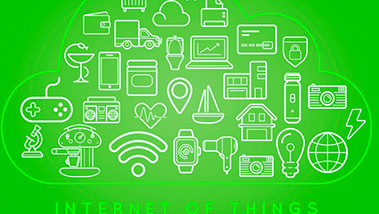
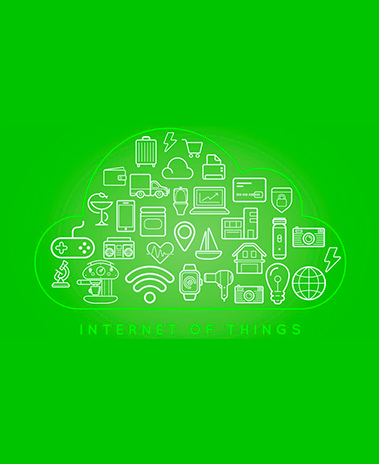
More than 75 billion devices are connected to the Internet of Things — IoT — and this figure is set to triple in just three years. Objects will become smart and the world will undergo a fourth industrial revolution.



The IoT or Internet of Things is going to characterise our future. And Alicia Asín, CEO of Libelium, has much to say on the subject, because her company offers devices, such as the Waspmote Plug & Sense, that resolve problems of interoperability and maximise the possibilities offered by this technology in, for example, the development of smart cities.
-



A new wave of innovation is coming, which will not only change what we do, but who we are. The future will be defined by people who are capable of adopting new ways of working, sharing and collaborating.



The television, the fridge and even the coffee maker are now smart. Virtual assistants powered by artificial intelligence coordinate our devices and learn from our habits to make our lives more comfortable and efficient. Home automation is no longer the future – it is the present, transforming the way we live in our homes.


