#nature
The respect for the environment, flora and fauna or the defense of the nature are essential in fighting climate change. Iberdrola group promotes the biodiversity in ecosystems by supporting the cultural heritage development, apart from encouraging cultural and social awareness in this regard.
-

They are not on the maps, but in our oceans there are five floating plastic islands that threaten to eradicate much of the marine life and contribute to climate change. Some of these garbage patches — such as the North Pacific one — are equivalent in size to France, Spain and Germany put together.
They help to fight pollution, encourage biodiversity in city centres and help to control temperatures and humidity. Green zones in city centres are also crucial to social cohesion. The concept of the urban park as an open space for community use arose in the 19th century, but they are so vital that they are in towns and cities around the globe.
-
During COP27, efforts have been made to define which countries are most vulnerable to climate change. Chad, Somalia and Syria are the most potentially at risk from the consequences of this environmental problem.
Without forests we would have neither clean air, nor drinking water, nor much of the food we need to survive. We are therefore, in debt to them. However, deforestation is growing, endangering the ecosystems on which the planet's natural wealth and its ability to cope with climate change depend.
-
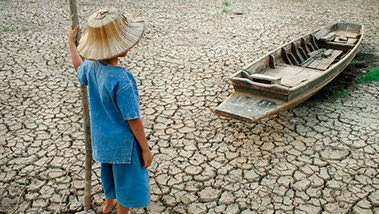
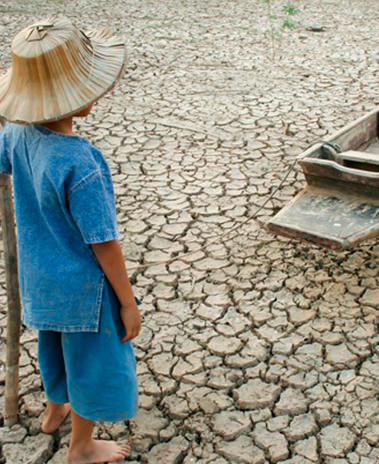
We are facing a real water crisis that can only be solved with the sustainable consumption, promotion of clean energies, optimisation of production processes and the use of recycled water.
Acid rain is one of the consequences of air pollution. Gases produced from the burning of fuels react with the oxygen in the air and water vapour, transforming into acids that fall onto the earth's surface as rain. This acidification of the earth and surface water has devastating effects on ecosystems and poses a serious danger to living beings.