#nature
The respect for the environment, flora and fauna or the defense of the nature are essential in fighting climate change. Iberdrola group promotes the biodiversity in ecosystems by supporting the cultural heritage development, apart from encouraging cultural and social awareness in this regard.
-

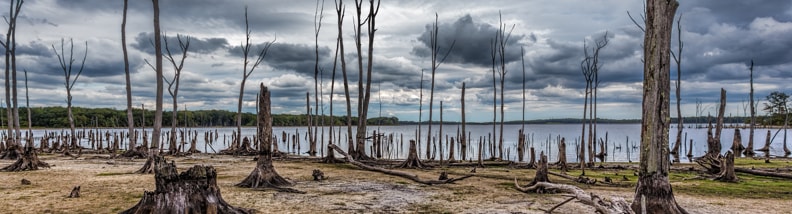
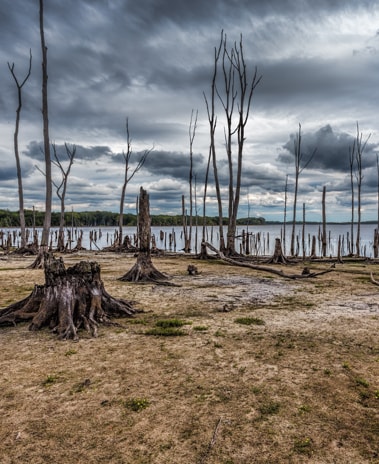
Acid rain is one of the consequences of air pollution. Gases produced from the burning of fuels react with the oxygen in the air and water vapour, transforming into acids that fall onto the earth's surface as rain. This acidification of the earth and surface water has devastating effects on ecosystems and poses a serious danger to living beings.
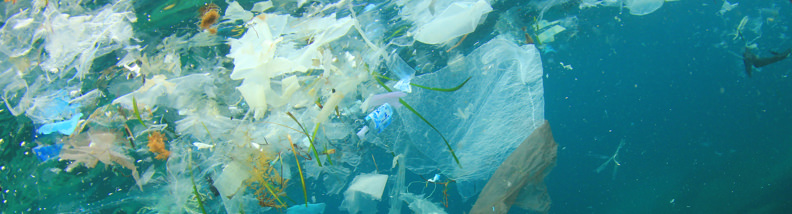
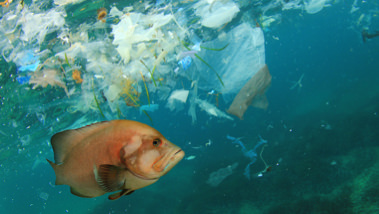
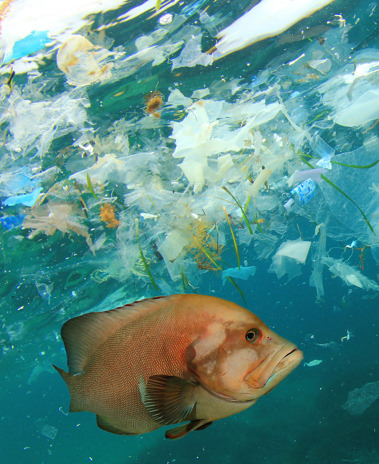
The oceans are among the most beautiful and mysterious places on Earth. They cover more than 70% of the planet, regulate the climate and support biodiversity that is essential for life. However, they are under threat from growing pollution that, for decades, was downplayed under the mistaken belief that the sea was so vast it could absorb any waste without consequences. Today, we know that is not the case.
-
Global warming is causing glaciers and ice sheets to melt. The average sea level has risen 3.2 mm/year since 1993. This is catastrophic for islands and coastal regions. Especially in places like Kiribati, an idyllic Pacific atoll nation that seems destined to become the first victim of climate change.
-
Facebook Kiribati, the first country rising sea levels will swallow up as a result of climate change
-
Twitter Kiribati, the first country rising sea levels will swallow up as a result of climate change
-
Linkedin Kiribati, the first country rising sea levels will swallow up as a result of climate change
-
Whatsapp
Climate change is a threat to the future of our planet, but there is still time for us to adapt to it and mitigate its effects. Below, we take a look at the measures being put in place and travel in time to see what the world will look like if we are to halt global warming.
-
-
We have inaugurated the Baixo Iguaçu Hydroelectric Plant in Paraná, Brazil, which supplies a million people with renewable energy due to its total installed capacity of 350 MW. This facility actively maintains the water balance and guarantees the force of the famous Iguaçu waterfalls.
Twelve years after publishing his famous book — Frames of Mind (1983) —, in which he defined seven types of intelligence and which earned him the Prince of Asturias Award in 2011, Howard Gardner added an eighth branch to his model: naturalistic intelligence. This type of intelligence allows us to relate to the environment and other species.