


#nature
The respect for the environment, flora and fauna or the defense of the nature are essential in fighting climate change. Iberdrola group promotes the biodiversity in ecosystems by supporting the cultural heritage development, apart from encouraging cultural and social awareness in this regard.
-


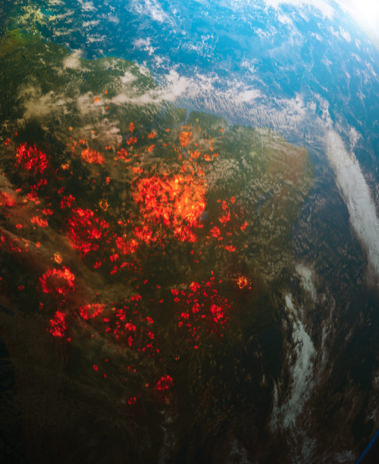
2022 again closed with one of the highest temperatures in history since records began in 1880. This is coupled with the fact that of the 10 warmest years in history, 9 have occurred in the last 9 years. The consequences of the increase in the Earth's average temperature range from rising oceans to the proliferation of extreme weather events.
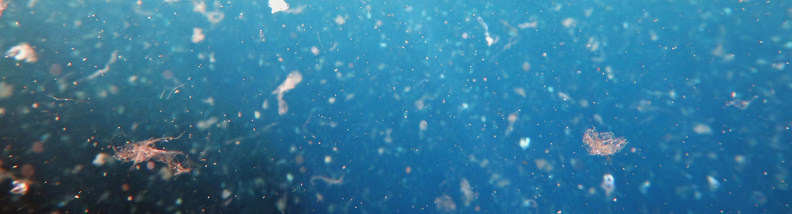

Since plastic was first introduced in the 1950s, more than 400 million tonnes of plastic have been produced every year, less than 10% of which has been recycled, according to the United Nations Environment Programme (UNEP). Tragically, the planet has become a dumping ground for this debris, which includes everything from bottles and bags, to microplastics. These tiny particles of plastics have been found in the most unexpected places, from the peak of Mount Everest to the deepest trenches of the sea, and even in the breath of dolphins.
-
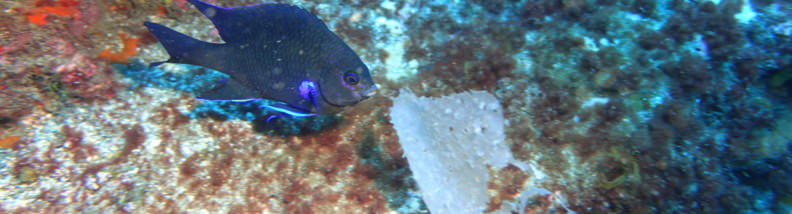
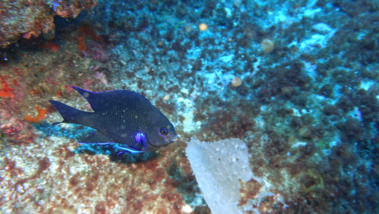
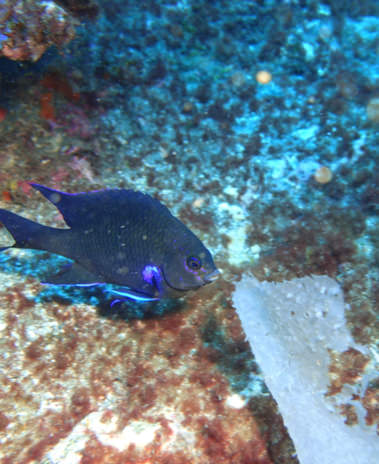
Plastic has reached the deepest point on the planet, a place — the Challenger Deep — located 11,000 metres below sea level where very few people have visited. This discovery is the best proof of the magnitude of the problem and that the time has come to become aware of it and do everything possible to reverse the situation.
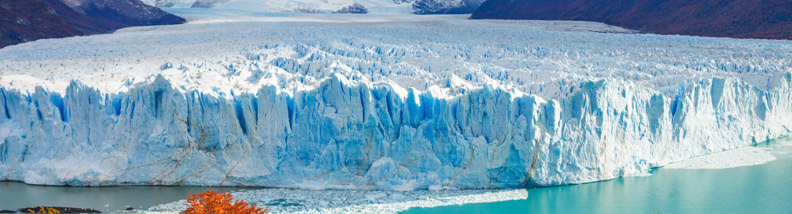
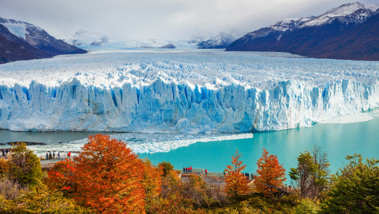
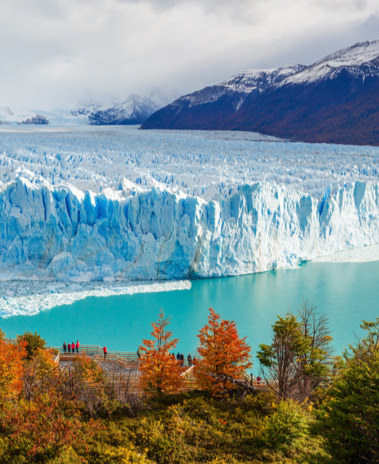
The melting of the glaciers, a phenomenon that intensified in the 20th century, is leaving our planet iceless. Human activity is the main culprit in the emission of carbon dioxide and other greenhouse gases. The sea level and global stability depend on how these great masses of recrystallized snow evolve.
-
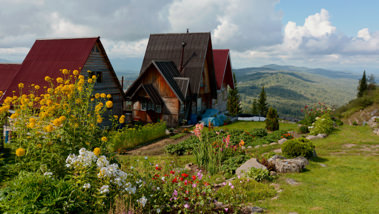
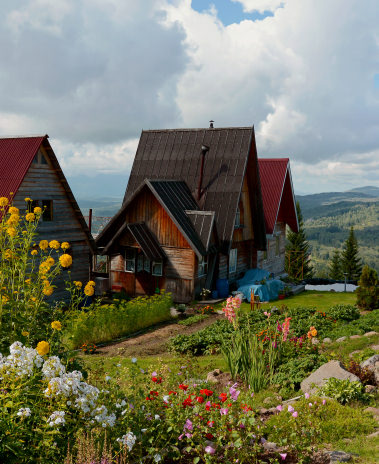
Ecovillages are small, self-sufficient communities that live from and for their natural surroundings. There are more than 10,000 ecovillages in the world, mainly in rural areas where their inhabitants build societies based on cooperation, self-sufficiency, renewable energies and ecological materials. Find out how they work...
Since the Paris Agreement, one term is being used in all the conversations on climate change: mitigation. The aim is to reduce emissions of polluting gases into the atmosphere and one of the ways to do this is to increase the presence of carbon sinks on Earth.


