


#nature
The respect for the environment, flora and fauna or the defense of the nature are essential in fighting climate change. Iberdrola group promotes the biodiversity in ecosystems by supporting the cultural heritage development, apart from encouraging cultural and social awareness in this regard.
-



Los expertos estiman que el 99 % de los animales que una vez habitaron el planeta ya no existen y, sin duda, la mano humana ha tenido mucho que ver con estas desapariciones. Sin embargo, en otras ocasiones ha logrado que algunas especies sobrevivan gracias al conservacionismo ambiental. Conoce a diez animales salvados de la extinción.

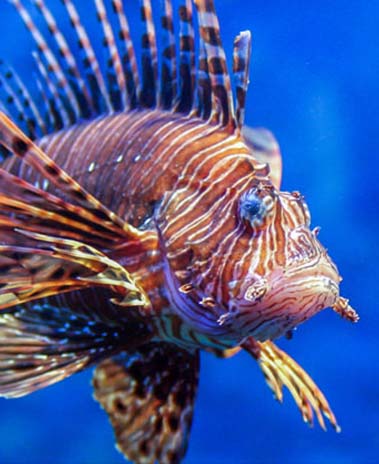
Invasive alien species are species that are introduced – either naturally, accidentally or intentionally – into an environment that is not their own and which, after a certain time, manage to adapt to it and colonise it. According to the United Nations Development Programme (UNDP), these species are one of the main causes of biodiversity loss worldwide. Below, we review some of the most harmful.
-



The SARS-CoV-2 virus and the disease it causes, COVID-19, was one of the greatest threats to humanity in the 21st century. Although the pandemic is now behind us, biosecurity remains essential to prevent health and environmental risks stemming from exposure to disease-causing biological agents.


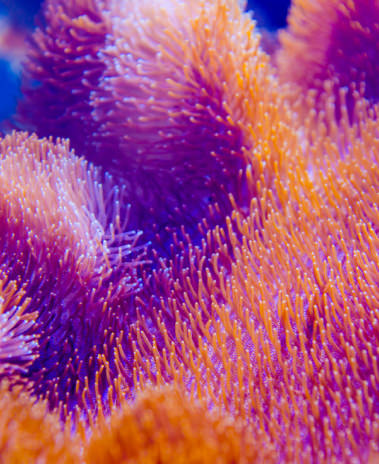
"The coral reefs are being boiled alive". This statement from Gabriel Grimsditch, a member of the marine ecosystems division of the United Nations Environment Programme (UNEP) has set alarm bells ringing. Indeed, the outlook for coral is not very encouraging: scientists reckon that almost 90 % of these super ecosystems could be wiped out by 2050.
-
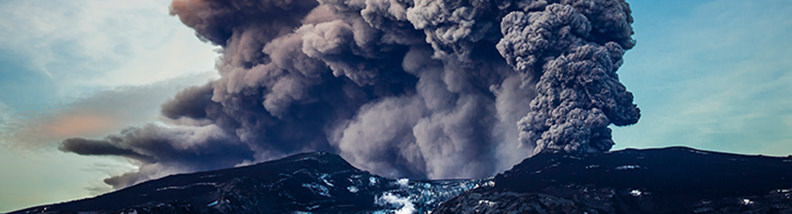
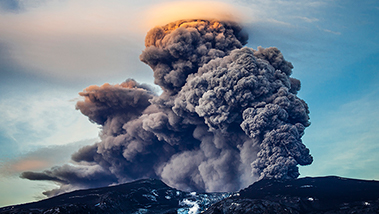
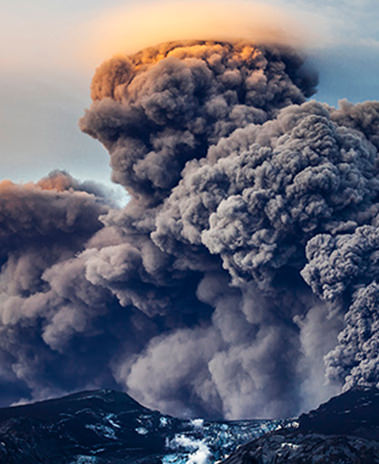
Volcanoes have darkened the skies of the whole planet, killing 82,000 people and burying cities and entire civilisations. Despite scientific progress, volcanoes are still unpredictable and in recent years eruptions have become more recurrent. In 2021 alone, volcanoes such as Etna in Italy, Fagradalsfjall in Iceland, La Soufrière in the Caribbean and Cumbre Vieja on the Canary Island of La Palma have been active.
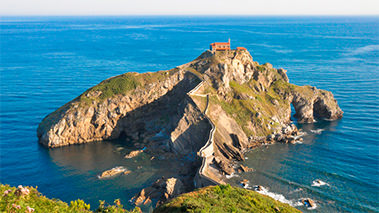
Are you thinking about your holidays? Eco-friendly tourism is starting to become a popular choice. This form of tourism is respectful with biodiversity, the environment and committed to the development of autochthonous populations.


