


Plastic islands around the world
The plastic islands that are polluting our oceans
They do not appear on maps, but there are five islands of floating plastic in our oceans that threaten to wipe out much of marine life and contribute to climate change. Some of these patches of rubbish stretch for thousands of kilometres and accumulate a vast amount of waste, a phenomenon that highlights humanity's heavy reliance on plastic.

These plastic islands are the result of more than seven decades of waste being dumped into the ocean, primarily from the mainland and from shipping. Since humans began using plastic in the 1950s, its use has spread massively without efficient management of the waste generated. The United Nations Environment Programme (UNEP) estimates that more than 400 billion tonnes of plastic are produced each year, of which less than 10% is recycled. The consequences are clear, given that this material takes between 100 and 1,000 years to decompose, leading to the collapse of landfill sites and the world's oceans.
What are plastic islands?
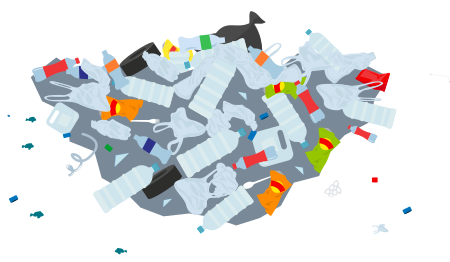
Plastic islands are large accumulations of plastic waste that gather in certain areas of the oceans due to the action of ocean currents and gyres. Although they are commonly referred to as "islands", they are not solid surfaces that one can walk on, but rather areas with a high concentration of plastic fragments of varying sizes, ranging from large objects to virtually invisible microplastics. Their presence poses a serious threat to marine ecosystems as they affect wildlife, degrade habitats and contribute to ocean pollution due to the slow degradation of these materials.
How are the plastic islands in the ocean formed?
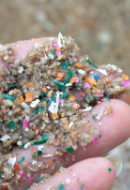
These gigantic concentrations of garbage are mostly made up of microplastics less than five millimetres in size that float inside the oceans' eddies — they are trapped in these immense whirlpools and the ocean currents group them together —. This means that the five biggest plastic islands in the world coincide with the main ocean vortices: the two in the Pacific, the two in the Atlantic, and the one in the Indian Ocean. Plastic islands are also known in other seas of the planet, such as the Mediterranean and the Caribbean, although they are much smaller and more dispersed there.
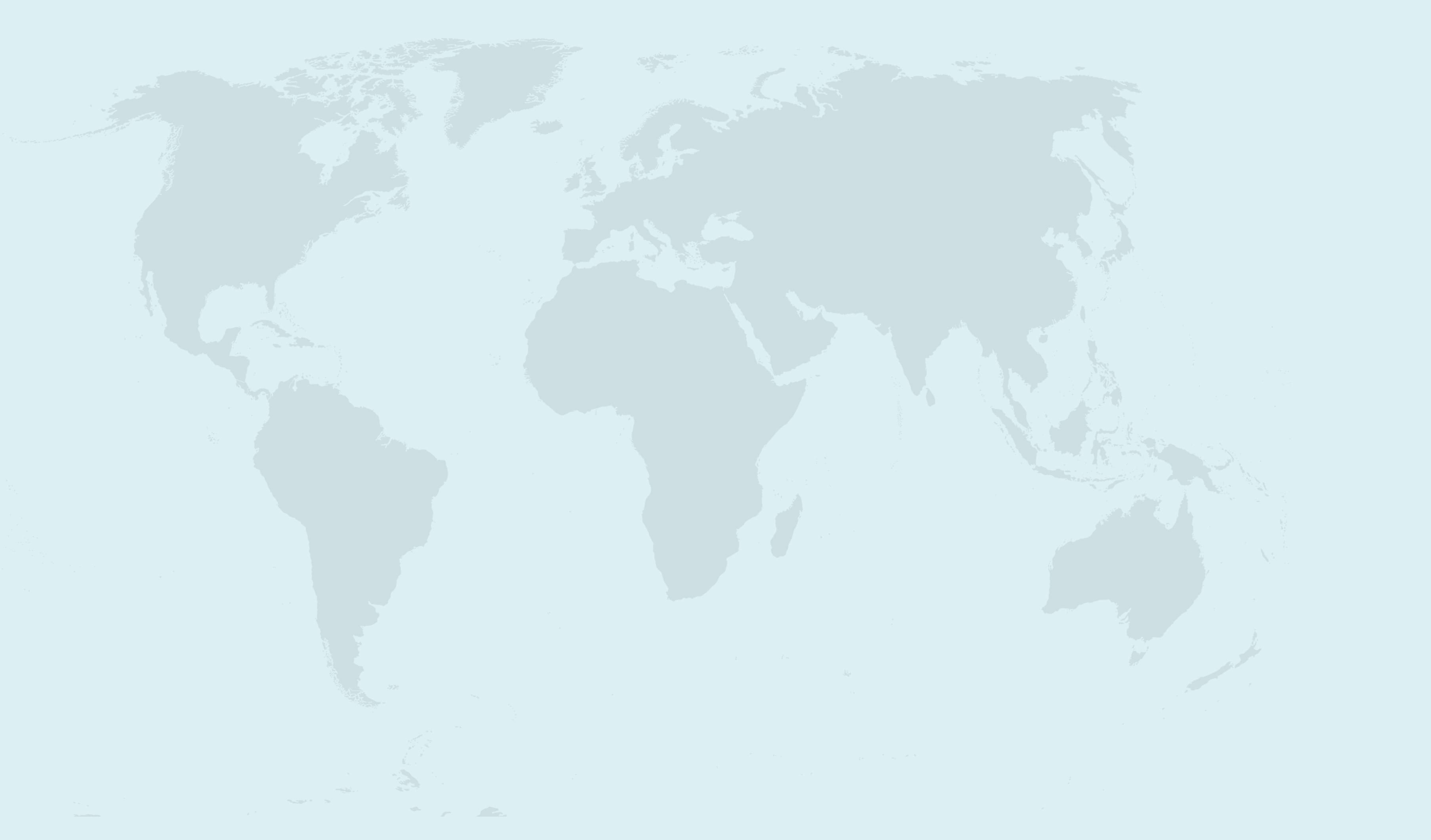
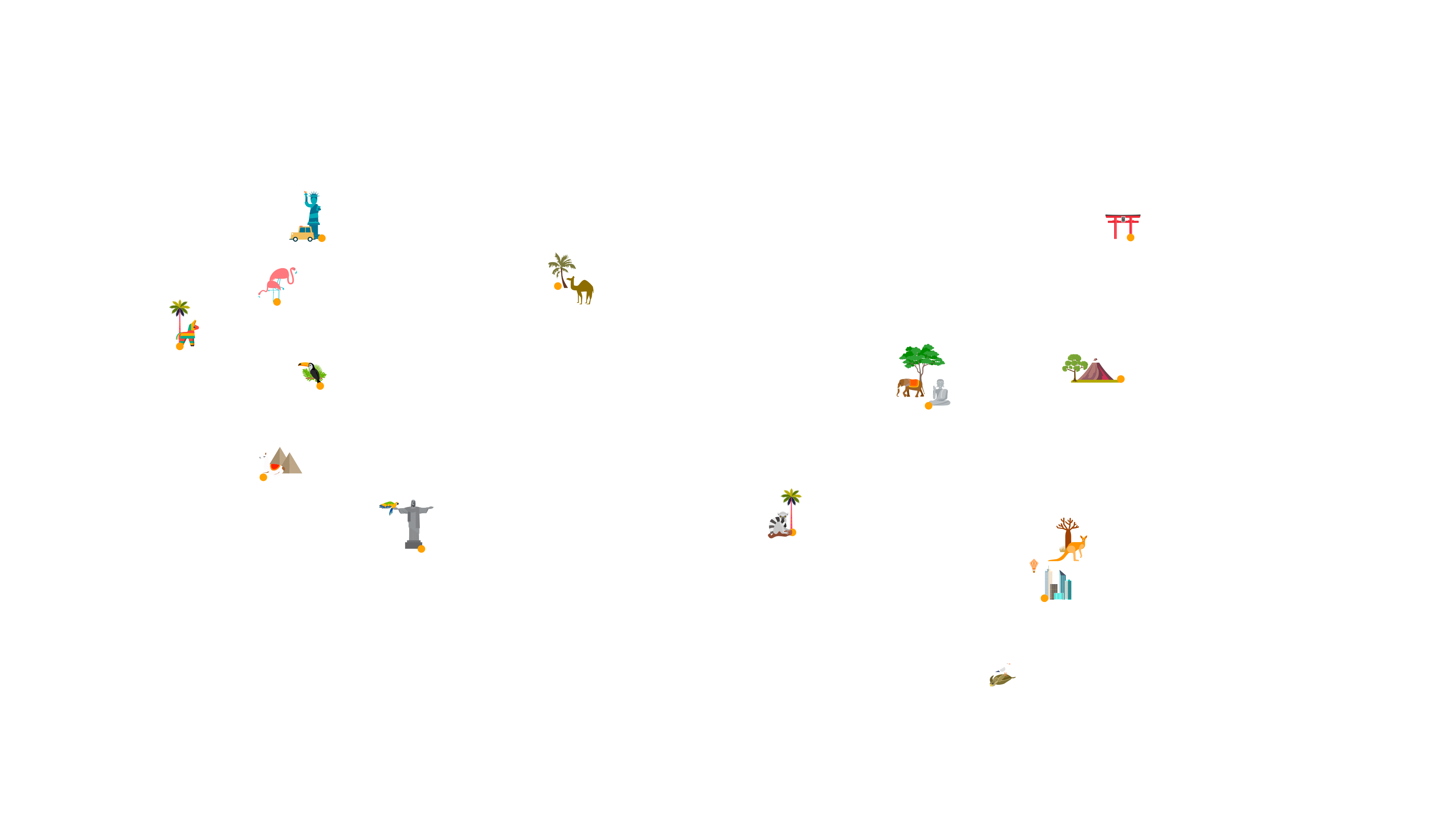
The first of these five garbage patches — the North Pacific one — was discovered in 1997 by American oceanographer Charles Moore. In 2017 the last one was confirmed in the South Atlantic, and the other three were found in the North Atlantic (2009), the Indian Ocean (2010), and the South Pacific (2011). The map below shows the locations of the world's largest oceanic plastic islands and outlines their characteristics:



THE WORLD'S OCEANIC PLASTIC ISLAND

WHERE ARE THEY?
South
Pacific
North
Atlantic
South
Atlantic
Indian
Ocean
North
Pacific


THE SOUTH PACIFIC
PLASTIC ISLAND
Extension
Approximately 2,6 km2
Fact
The particle density in the centre is approximately 400,000 particles per mi2
THE NORTH ATLANTIC
PLASTIC ISLAND
Extension
The exact sizes are unknown
Fact
The particle density in some areas is approximately 7.220 units/km2
THE SOUTH ATLANTIC
PLASTIC ISLAND
Extension
The smallest 0,7 km2
Fact
It contains approximately 2,860 tonnes of plastic
THE INDIAN
PLASTIC ISLAND
Extension
Between 2.1 and 5 km2
Fact
This waste has been associated with the deaths of sea turtles and birds
THE NORTH PACIFIC
PLASTIC ISLAND
Extension
1.6 million km2
Fact
Contains 1.8 trillion plastics and microplastics and weighs 80,000 tons
- PACIFIC OCEAN
- ATLANTIC OCEAN
- ATLANTIC OCEAN
- INDIAN OCEAN
- PACIFIC
OCEAN
- Acapulco
- Miami
- Caracas
- Lima
- New
York - Casablanca
- Dakar
- Rio de
Janeiro - Cape
Town - Colombo
- Antananarivo
- Perth
- Tokyo
- Manila
The world's five ocean plastic islands, by location, are:
- The South Pacific island. It covers an area of approximately 2.6 million km2 and has a particle density of around 220,000 particles per km2 at its centre.
- The North Atlantic island. The exact dimensions are unknown, but the particle density at some points is around 7,220 units per km2.
- The South Atlantic island. It is the smallest, covering an area of 0.7 km2 and containing a total of 2,869 tonnes of plastic.
- The Indian Ocean island. It covers an area of between 2.1 and 5 million km2. Its waste has been linked to the deaths of sea turtles and birds.
- The North Pacific island. It covers an area of 1.6 million km2 and contains 1.8 trillion pieces of plastic and microplastics, weighing 80,000 tonnes.
 SEE INFOGRAPHIC: The 5 oceanic plastic islands in the world [PDF]
External link, opens in new window.
Main causes of the formation of plastic islands
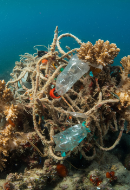
Plastic islands do not appear spontaneously but are the result of the accumulation of waste that reaches the ocean from various sources and becomes trapped by ocean currents. Among the main causes are poor management of urban waste, the widespread use of single-use packaging and plastics and fishing activities, particularly abandoned or lost networks and other fishing gear.
Added to this is waste from shipping and rivers, which act as a conduit for rubbish flowing from the mainland into the sea. Once in the ocean, larger pieces of waste break down due to the effects of the sun, waves and friction, gradually fragmenting into microplastics that can remain for years and accumulate in certain areas due to ocean currents.
Consequences of plastic islands on the planet
The United Nations (UN) has long warned the international community of the damage ocean garbage does to the economy and the environment. This waste decimates marine ecosystems by killing more than a million animals a year, and also makes the conservation of the oceans, initially planned by the UN Convention on Biological Diversity, more expensive by billions of dollars.
Ocean plastic also compromises the livelihoods and prosperity of many small fishing communities, damages air quality, pollutes the atmosphere and contributes to global warming. According to the UNEP, plastics generate harmful greenhouse gas emissions throughout their entire life cycle, from extraction and refining through to production, transport and disposal. Along these lines, researchers at the University of Hawaii discovered in 2018 that polyethylene — one of the most widely used disposable plastics — emits greenhouse gases, such as ethylene and methane, when decomposed in the sun.
Nevertheless, organisations like Greenpeace report that floating plastic accounts for only 15% of the total, while 85% remains hidden under water —at depths of up to 11,000 metres, or even trapped in Arctic ice. Ocean garbage is proliferating to such an extent that, by 2050, the World Economic Forum (WEF) predicts that the oceans could contain more tonnes of plastic than fish.

Is it possible to eradicate plastic islands?
Plastic islands are the result of decades of waste accumulation in the oceans, which is why their complete removal is a task that is as urgent as it is difficult to tackle. Although there are initiatives to remove some of this waste and prevent it from reaching the sea, the solution lies primarily in preventing its generation, improving waste management and reducing the amount of plastic entering the marine environment.
What can I do as a consumer to reduce plastic pollution?
Minimising plastic pollution also starts with small everyday actions. Adopting more responsible consumption habits helps to reduce the amount of waste that ends up in rivers and oceans and promotes a more circular economy. Some of the most useful practices are:
-

Reducing single-use plastics
Reducing plastic consumption, particularly single-use plastics, and replacing bags, bottles and containers with reusable alternatives.
-

Proper recycling
Sort and recycle waste correctly to facilitate its recovery.
-

Choosing environmentally friendly materials
Choose products with less packaging or made from recycled materials.
-

Efficient reuse
Reuse bags, bottles and containers wherever possible.
-

Community support and initiatives
Support organisations working to eliminate plastic pollution in the oceans and take part in clean-up days in the open sea and coastal areas to collect and recycle waste.
-

Spreading information about pollution and its solutions
Help raise awareness of the problem and encourage people in the surrounding community to take action.
-

Reporting infringements
Alert the authorities whenever you become aware of or witness violations related to plastic waste management.


What are the authorities and the scientific community doing to reduce plastic pollution?
Reducing plastic pollution requires coordinated action between public authorities, businesses, the scientific community and the public. In recent years, measures have been introduced to limit the use of certain single-use plastic products, strengthen recycling systems and promote more sustainable production and consumption models. In the European Union, for example, legislation on single-use plastics has restricted some of the products most frequently found on beaches and in the oceans whilst encouraging more sustainable alternatives.
At the same time, the scientific community is working on developing new technologies to improve waste collection and recycling, researching more sustainable alternative materials and gaining a better understanding of the impact of plastics and microplastics on ecosystems and health. Alongside this, numerous organisations are carrying out ocean clean-up and restoration projects that help to remove some of the existing waste and raise awareness of the need to prevent this problem at source.
Iberdrola, committed to the preservation of marine ecosystems
The accumulation of plastic waste in the oceans is one of the main threats to the conservation of marine ecosystems, as it affects biodiversity, disrupts natural habitats and jeopardises the balance of aquatic environments. Tackling this challenge requires a global response based on pollution prevention, innovation and the adoption of more sustainable models that reduce the impact on nature.
In this context, at Iberdrola we view the protection of biodiversity and the conservation of ecosystems as fundamental pillars of our sustainability strategy. Through our 2030 Biodiversity Plan, we are driving initiatives aimed at preserving natural environments, preventing impacts on biodiversity and promoting the restoration of terrestrial and marine ecosystems, thereby contributing to a more environmentally friendly development model.