


Environmental issues
The major environmental problems facing our planet
Climate change is the environmental crisis facing humanity in this century, but it is not the only one. Below we consider some of the others.
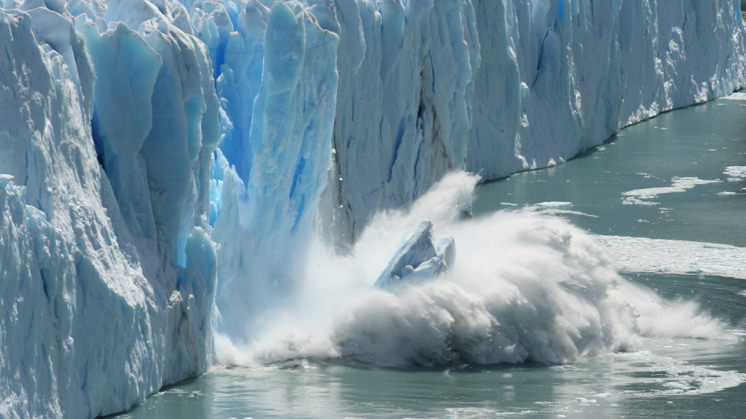
Why is climate change important today?
Humanity currently faces numerous challenges that threaten the survival of species and the wellbeing of future generations. According to the World Bank, our planet is facing a triple environmental crisis comprising climate change, pollution and the loss of nature; three interconnected problems that feed into one another and which are currently beginning to reverse decades of development in some countries, and slow down progress in others.
This triple threat is affecting the health of ecosystems, leading to the extinction of various species and worsening people's health. What’s more, climate change is exacerbating existing economic inequality and pushing more people into poverty. According to a World Bank report, between 68 and 135 million people could be pushed into poverty by 2030 due to climate change.
Below we outline various key points and strategies for addressing these threats.
Mitigation and adaptation to climate change-
Global warming caused by CO₂ emissions – which, according to the UN, have risen by almost 50% since 1990 – is accelerating climate change and threatening the survival of millions of people, animals and plants by triggering increasingly frequent and extreme weather events such as droughts, fires and floods. This phenomenon compels us to take mitigation and adaptation measures, with the aim of curbing this threat:
-

Mitigation
Mitigation strategies involve developing policies that lead to a reduction in carbon emissions by individuals and businesses. Activities such as recycling and responsible consumption are important habits for counteracting environmental damage. For companies, a focus on restoration and reducing the carbon footprint is crucial for a sustainable business environment. At the Iberdrola Group we have made this a commitment and integrated it into our strategy, focusing on electrification as a sustainable solution to meet energy demands and on ecosystem restoration through Carbon2Nature.
-

Adaptation
Adaptation strategies aim to limit the risks arising from climate change by reducing vulnerabilities. Strategies such as designing cities that are more resilient to extreme heat, improving water management or creating a sustainable transport system are some of the measures needed to tackle this issue.


Biodiversity loss
The United Nations (UN) has warned that nearly one million species are at risk of extinction. According to a 2025 report by the International Union for Conservation of Nature, more than 48,000 species are under threat of extinction. This is due above all to the destruction of their natural habitats, poaching and the introduction of invasive species. The UN has called for decisive action to put an end to these threats and preserve our natural heritage, such as our increasingly endangered forests. In this regard, while the actions to tackle this problem are closely linked to the solutions for the previous ones, there are also habits we must adopt to protect our biodiversity:
-

Consume responsibly
Practise responsible consumption by buying properly certified food from local producers.
-

Enjoy ethical tourism
Avoid shows where wild animals are exploited and visit parks or reserves that allocate their income to conservation. For example, Bioparc Fuengirola (Spain), Plitvice Lakes National Park (Croatia) or the Monteverde Cloud Forest Biological Reserve (Costa Rica).
-

Keep your pets under control
Always walk your pets on a lead to protect local wildlife.


Pollution and its impact on health
Environmental pollution has a direct impact on health because it degrades the air we breathe, the water we drink and the ecosystems on which we depend to live in harmony. When the air is laden with toxic gases, respiratory and cardiovascular problems increase; when water is polluted or poorly managed, food insecurity rises. Taken together, these factors affect children, older people and communities with less access to basic services the most. According to the UN, a healthy environment could prevent almost a quarter of the global burden of disease.
How can we tackle ocean pollution?
The seas have become the planet's vast dumping ground for plastic. What’s more, there are other serious environmental problems related to the oceans, such as the deterioration of ecosystems due to global warming, polluting discharges, sewage and fuel spills. The UN has urged for improved management of protected areas, providing them with sufficient resources and reducing overfishing, pollution and ocean acidification caused by rising global temperatures. But what can we do to combat it?
-

Reduce the use of plastic
Limit the use of single-use plastics, which can end up floating in rivers, lakes and oceans, often in the form of microplastics.
-

Promote sustainable fishing
Encourage sustainable fishing to ensure the survival of species and prevent the depletion of the seas.
-

Use reusable containers
Opt for metal or glass containers instead of plastic ones.
-

Buy in bulk
Buy food in bulk and avoid products wrapped in plastic.





Hydric stress and water scarcity
The lack of this resource, vital to human, animal and plant survival, affects more than 40% of the world population, and according to the World Economic Forum, agriculture accounts for more than 70% of the water used in the planet's most arid countries. The responsible use of hydrological resources will improve food and energy production, as well as protecting the biodiversity of our water ecosystems and helping us slow climate change. There are several measures that can help us to achieve this objective:
-

Improving water management and governance
According to the Food and Agriculture Organisation of the United Nations (FAO), data-driven planning of this resource, monitoring and coordination between sectors are key measures for more efficient water use.
-

Reuse and efficiency
Promoting climate-resilient technologies such as the use of modern irrigation techniques, the reuse of treated wastewater and encouraging responsible consumption habits help to make better use of water.
-

Diversification of water sources
New solutions such as desalination convert salt water into fresh, drinkable water for municipal supplies, industry and agriculture, representing a key strategy for reducing water scarcity.


Overpopulation and waste management
The UN expects the world population to exceed 8.5 billion by 2030, forcing us to considerably reduce the amount of waste we generate through prevention, reduction, reuse and recycling as part of the circular economy, with the aim of minimising the impact on health and on the environment.
Urban development and sustainable mobility
Urban growth remains one of the greatest environmental challenges, but it is not just a matter of accommodating billions of people in cities; it is about fundamentally transforming the way they function. As we approach 2030, the focus has shifted towards climate resilience, decarbonisation and adaptation to increasingly frequent extreme events.
According to the United Nations Environment Programme, over the last decade, natural disasters have affected more than 220 million people and caused economic damage of $100 billion each year. Considering this, the construction of infrastructure prepared for such disasters is crucial for the well-being of the population. What’s more, the urban energy transition has become a central focus, with near-zero-emission buildings, widespread electrification and smart grids that optimise energy consumption. Mobility has also shifted its focus: beyond reducing urban traffic, the aim is to prioritise proximity, accessibility and low-carbon transport.
Why are environmental problems not isolated?
Although climate change is a crisis that has been addressed over the years, it is not an isolated problem. As a result of global warming, water scarcity is worsening, leading in turn to biodiversity loss and greater social inequalities. In addition, products scattered throughout ecosystems, such as plastics, do nothing but exacerbate the situation, causing the deaths of thousands of marine species and posing a threat to food security.
As such, all the environmental problems we currently face are interconnected. Whilst it may be seen as a multifaceted problem, there are also several shared solutions that could help mitigate all these crises. For example, reducing our carbon footprint by reusing packaging, buying fewer plastic items or purchasing eco-friendly products would help to reduce pollution, support biodiversity and enable us to breathe cleaner air.
Iberdrola's role in mitigating the impact of environmental problems
In order to reduce the impact of environmental problems, the Iberdrola Group sees the electrification of the planet as a key pillar for achieving carbon neutrality by 2050, a mitigation strategy that influences all the company's decisions, making use of clean energy and electricity networks to reduce the use of fossil fuels worldwide.
As well as reducing our carbon footprint we have drawn up a 2030 Biodiversity Plan, with the aim of integrating a conservation perspective into our projects (avoiding, reducing, restoring and offsetting impacts). This is to avoid installing facilities in areas of high ecological value, reduce pollution and restore affected habitats. What’s more, we carry out quantifiable monitoring of our impact using measurement systems that assess the effects on species and ecosystems where our infrastructure is located
Projects such as East Anglia One, which involved the installation of two floating containers to collect plastic and some of the oils, detergents or fuels floating near the port of Lowestoft, aim to reduce pollution in our ecosystems.
However, we do not just carry out sustainable projects; we also focus on finding innovative solutions to continue preserving our ecosystems through the PERSEO start-up programme, an open innovation programme with start-ups created to develop technologies and business models to enhance sustainability at all levels.
Key steps to tackle environmental problems
Combating environmental problems requires joint action between citizens, businesses and governments, as each has a distinct yet complementary role. This decade remains crucial for halting environmental degradation, which is why firm public policies, technological innovation and changes in everyday habits are needed. Among these changes, electrification and the energy transition – Iberdrola Group's main objective – form part of the solution by reducing emissions and moving towards a cleaner energy model.
Citizens can contribute through concrete actions such as using public transport, walking or cycling, saving water and energy, recycling properly and avoiding unnecessary consumption. It is also important to adopt more sustainable habits at home, such as reducing single-use plastics, switching off lights when they are not needed or trying to donate clothes that no longer fit.
Businesses, for their part, can reduce their environmental impact by improving energy efficiency, managing waste more effectively, incorporating circular economy principles and measuring their environmental footprint. Furthermore, they play a key role in innovation, as they can develop more sustainable products and services with a lower carbon footprint.
Finally, governments must introduce laws and incentives and drive an energy transition that accelerates the use of renewable energy, the electrification of transport and the planning of sustainable infrastructure with the aim of facilitating and promoting a change in habits among the population.
Ten major environmental problems
Would you like someone to tell you about it? Listen to this article. For those who want to change the world.