


#social action
Fighting against cancer, combating gender violence or violence against women, campaigns to fight childhood maladies... We put on the table social action initiatives to support people who are suffering, having into account their integration and their quality of life.
-
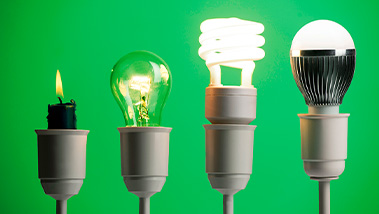
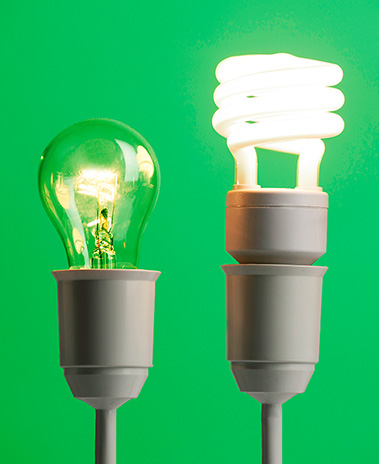
Thomas Edison's first electric power plant built in 1882 only supplied current to a few light bulbs. Since then, the grid that carries electricity to our homes has expanded and is facing the biggest challenge so far: to become completely fossil-fuel free and move towards renewable energy sources. Discover the history of electricity until nowadays.

The 2030 Agenda is the roadmap promoted by the United Nations to advance more sustainable, inclusive and resilient development. Through its 17 Sustainable Development Goals (SDGs), it seeks to address some of the world's greatest challenges, including climate change, inequality, biodiversity loss and access to clean, affordable energy.
-
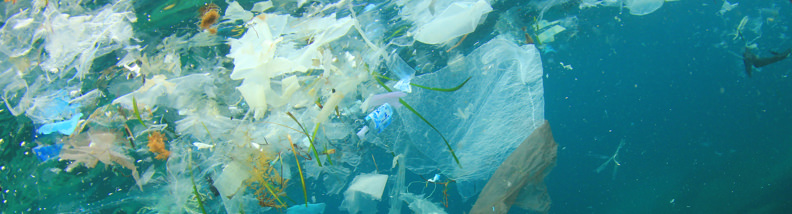
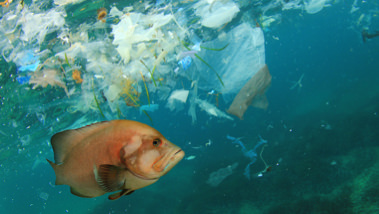
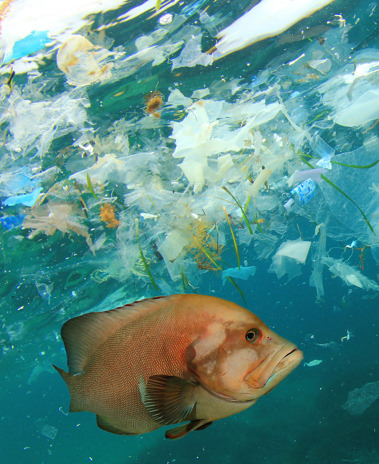
The oceans are among the most beautiful and mysterious places on Earth. They cover more than 70% of the planet, regulate the climate and support biodiversity that is essential for life. However, they are under threat from growing pollution that, for decades, was downplayed under the mistaken belief that the sea was so vast it could absorb any waste without consequences. Today, we know that is not the case.

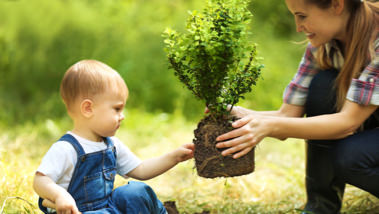
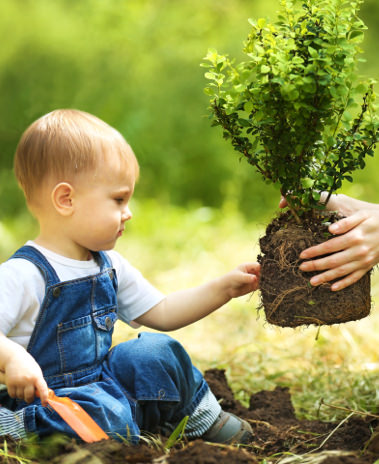
We want to create a more sustainable world, with stable economies and more just and inclusive societies. A difficult but not unattainable target if we can count on involvement of governments, institutions, businesses, and, above all, a responsible and committed public.
-

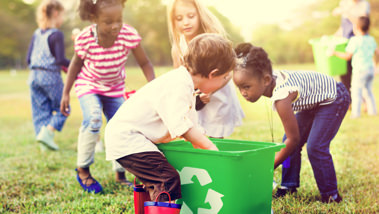
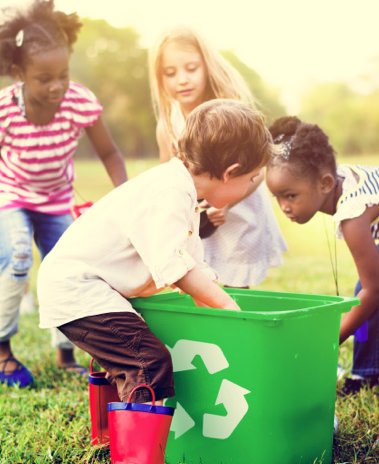
Kids should start their environmental education at school. The fate of the planet will be in their hands, so it is crucial for them to learn how to use resources wisely and do their bit in the battle against climate change from an early age. The results of this difficult test could be a better, more sustainable and inhabitable world.
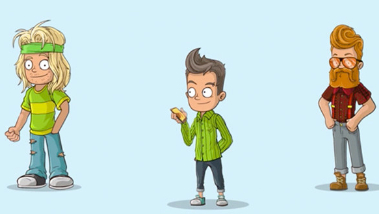

The so-called “generations” are ways of classifying people according to the year they were born and the historical context in which they grew up. They help us understand how ideas, behaviours and lifestyles change across different age groups.


