


28 March: Earth Hour
Earth Hour, an initiative to raise awareness about climate change
The last Saturday in March is Earth Hour, an initiative of the World Wide Fund for Nature (WWF) to raise awareness about climate change by voluntarily energy break for one hour.
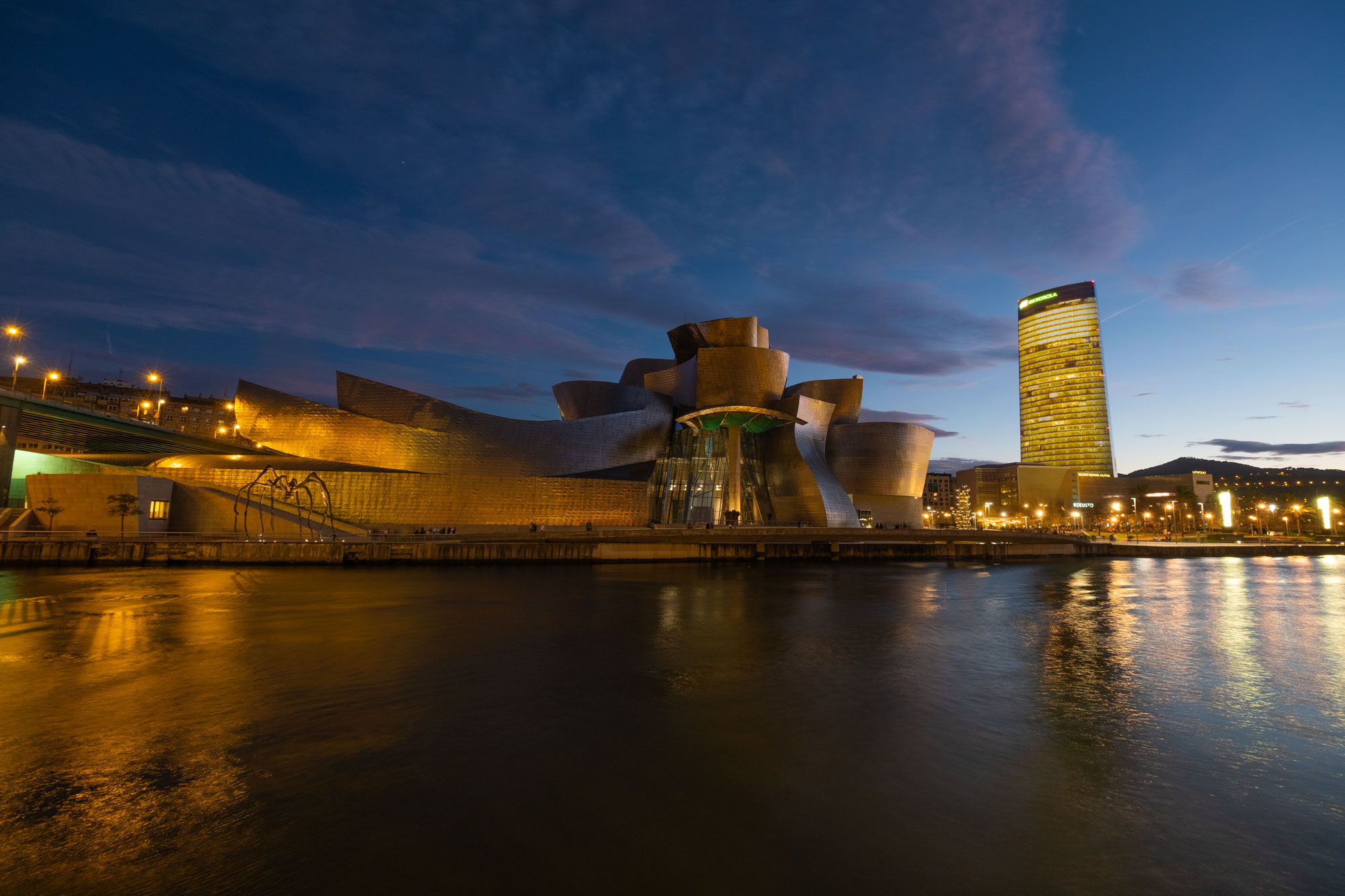
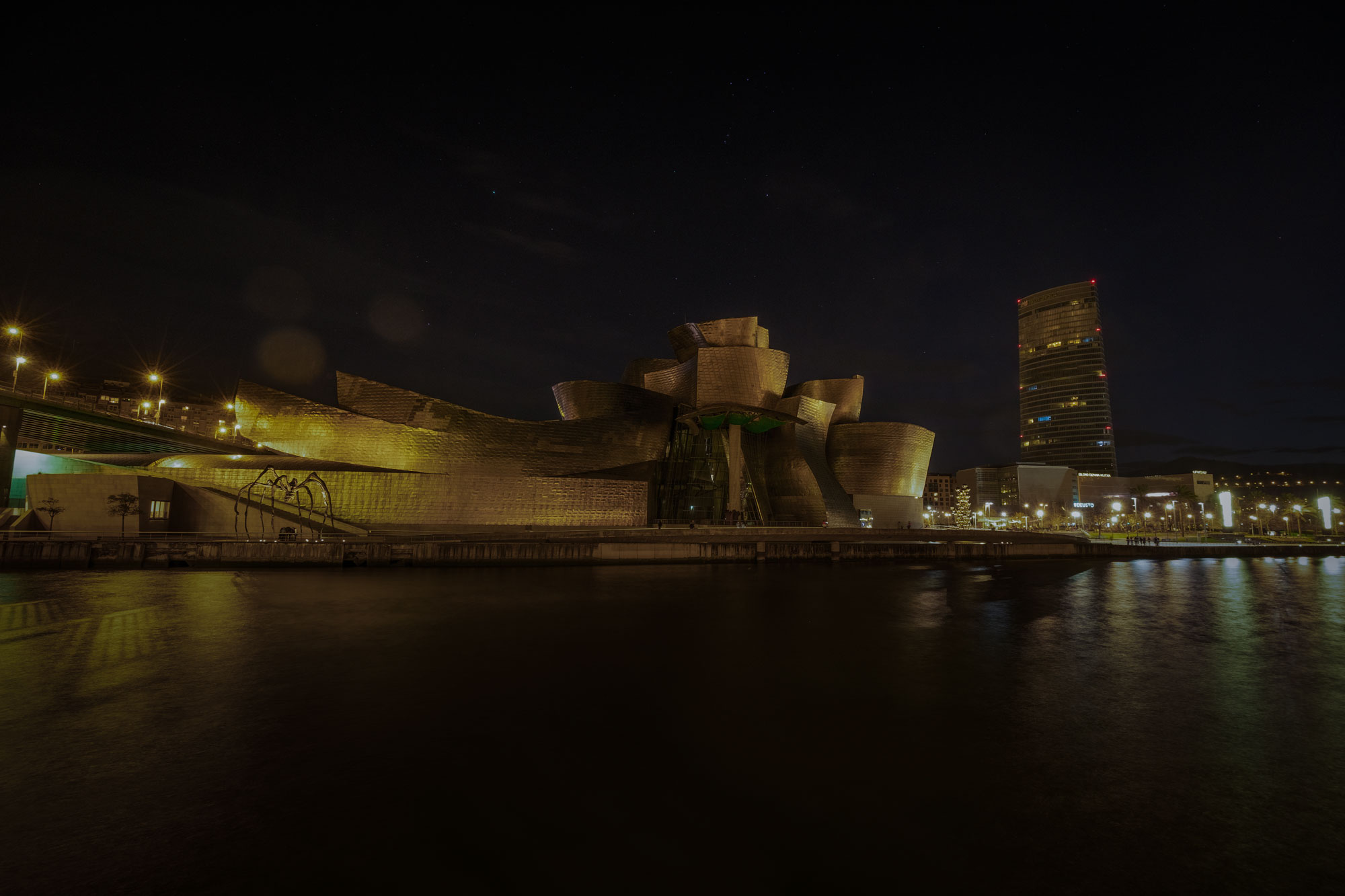
For more than a decade, hundreds of cities around the world have been joining together to carry out a one-hour a energy break in their most emblematic places to raise awareness of the problem of climate change and to warn that decisive action is needed to stop it. This project, which was set up by the environmental conservation organisation World Wide Fund for Nature (WWF), is called Earth Hour External link, opens in new window. and every year more places join in and the proposed initiatives, which always include a one-hour energy break, are innovated.
The 2030 Agenda and the Sustainable Development Goals (SDGs) provide an international framework through to 2030, to which initiatives such as Earth Hour are linked. This context also includes the global agreement approved at the 15th United Nations Conference on Biodiversity (COP15), related to the protection and restoration of nature.
How did Earth Hour come around?
In March 2007, Sydney (Australia) came up with the idea of turning off the lights on buildings and monuments for one hour as a symbolic gesture to draw attention to the importance of the problem of climate change. In the same year, San Francisco (USA) also carried out a similar proposal, which it christened Lights Out.
One year later, in 2008, 35 countries and four hundred cities joined the Australian initiative. More than a decade later, Earth Hour 2026 will be celebrated on 28 March and has become a powerful voice for companies and institutions in more than 200 countries as well as for millions of people.
When is Earth Hour and what time is it?
This energy break takes place in cities that want to participate in the initiative on the last Saturday of March, from 20:30 to 21:30 local time in each country. Therefore, Earth Hour 2026 will take place on 28 March.
What activities are carried out?
Although the main event consists of companies, institutions, monuments or emblematic places switching off their lights for one hour, Earth Hour wants to go further creating The Biggest Hour for the EarthExternal link, opens in new window. . This way all citizens are invited to participate during, before and after the hour in any small activity that will have an impact on the future:
 Learning more about our planet
 Spending time in contact with nature
 Participating in a restoration effort
 Dedicating ourselves to inspiring others
Committed to the planet
At Iberdrola, as a global group, we are working to build a decarbonised
economy that respects the planet. Through our Strategic Plan 2025-2028, we are promoting electrification as a key solution for reducing carbon emissions, with €58 billion of investment in electrical networks and renewable energy.
What’s more, we are committed to achieving emissions neutrality in generation and networks by 2030, reaching zero direct emissions, and to achieving net zero emissions across all our activities by 2040.