


Megadiverse countries
10% of the Earth's surface houses 70% of the planet's terrestrial biological diversity
Human activity and global warming are accelerating the extinction of species. As progress continues towards the necessary transition to a decarbonised and environmentally responsible economy, protecting the planet’s biodiversity and its natural ecosystems is more important than ever, especially in so-called megadiverse countries. These are territories that concentrate an extraordinary richness of species and a high degree of endemism – meaning species that exist nowhere else in the world. However, it is important to draw a distinction: a country may host many species and be highly diverse without reaching “megadiverse” status if it does not also meet this high level of biological uniqueness.


What are megadiverse countries?
Megadiverse countries are vital because they harbour a significant proportion of the world’s biodiversity and play a key role in the planet’s ecological balance. They provide essential ecosystem services, such as climate regulation, freshwater supply, soil fertility and crop pollination, on which millions of people depend. Furthermore, they are home to numerous endemic species — unique in the world — meaning that their loss would result in irreversible extinction.
These territories also sustain local economies and traditional cultures deeply connected to nature. For all these reasons, their conservation is not merely an environmental issue, but a global priority; it implies not only the loss of species, but also a direct threat to health, food security and economic stability.
List of megadiverse countries
The World Conservation Monitoring Centre (WCMC) of the United Nations Environment Program has identified a total of 17 mega-diverse countries: Australia, Brazil, China, Colombia, Ecuador, United States, Philippines, India, Indonesia, Madagascar, Malaysia, Mexico, Papua New Guinea, Peru, Democratic Republic of Congo, South Africa and Venezuela.
Aside from the WCMC, on 16 and 17 February 2002 a total of 12 of the main developing countries considered mega-diverse gathered in Mexico: Brazil, China, Costa Rica, Colombia, Ecuador, India, Indonesia, Kenya, Mexico, Peru, South Africa and Venezuela. This meeting adopted the Cancun Declaration and the so-called Group of Similar Mega-diverse Countries was formed as a body of consultation and cooperation to promote interests related to the conservation and sustainable use of biological diversity, and fair and equal participation in the benefits derived from the use of genetic resources. This Group has been joined by other countries over the years such as Malaysia, Philippines, Guatemala and Iran.

 SEE INFOGRAPHIC: The importance of biodiversity [PDF]
Characteristics of the megadiverse countries
In accordance with the World Conservation Monitoring Centre, for a country to be considered mega-diverse, it must:
- Have at least 5,000 endemic plants.
- Have marine ecosystems within its borders.
For their part, according to the Group of Similar Mega-diverse Countries, mega-diverse countries contain one or more of the following characteristics:
-

Geographic position
Most are in tropical areas, where there is a large diversity of species.
-

Diversity of countries
The complexity of mountain scenery brings forth the diversity of atmospheres, soils and climates.
-

Isolation
The progressive separation of islands and continents has allowed the development of unique flora and fauna.
-

Size
The larger the size, the greater the diversity of scenery and species.
-

Evolutionary history
Some of the countries are on crossroads between two biogeographic regions, producing a mixture of fauna and flora with different histories.
-

Culture
The domestication of plants and animals has contributed to the natural wealth.


Main threats to megadiverse countries
Despite their immense biological diversity, these regions face a range of mounting pressures that threaten their ecosystems and species:
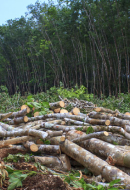
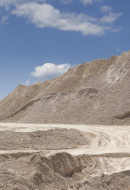
- Deforestation and land use change: agricultural, livestock and mining expansion destroys large areas of natural habitat and drastically reduces biodiversity.
- Invasive species: introduced through human activity, they displace native species, alter ecosystems and can lead to local extinctions.
- Pollution: industrial discharges, plastics and chemical substances degrade soils, rivers and oceans, directly affecting flora and fauna.
- Overexploitation of resources: intensive fishing, indiscriminate logging and illegal wildlife trade deplete populations before they can recover.
- Habitat fragmentation: infrastructure such as roads or urban areas divides ecosystems, isolates species and hinders their survival.

Actions of the megadiverse countries
Guided by the Cancun Declaration, the Group of Similar Mega-diverse Countries has been committed for more than 15 years, among others to the following objectives:
-

Biological diversity
Presenting common positions in international forums related to biological diversity.
-

Conservation
Promoting the preservation of biological diversity in the countries of origin and the development of joint research projects to make inventories of their resources and to invest in the development and application of endogenous technologies in pro of conservation and sustainable economic activities at the local level.
-

Sustainability
Ensuring that the goods, services and benefits of conservation and the sustainable use of biological diversity serve to support the development of peoples.
-

Information exchange
Jointly exploring ways to exchange information and to harmonise the respective national legislations of the member countries for the protection of biological diversity and for access to biological and genetic resources and the share-out of benefits derived from their use.
-

Regulatory frameworks
Establishing regulatory frameworks that produce incentives for the conservation and sustainable use of biological resources.
-

International cooperation
Encouraging actions with other countries with private initiative and interested groups so that, in a spirit of cooperation and mutual benefit, they demonstrate their responsibility through adequate handling of the natural capital of the mega-diverse countries and contribute in a practical way to the goals of conservation, sustainable use and share-out of benefits contained in the Agreement on Biological Diversity.
-

Protection
Jointly combating the undue or illegitimate appropriation of genetic resources, by exchanging information on the negative behaviour of academic or private institutions and the development of mechanisms that allow the destination of the genetic resources of the countries of origin to be monitored.


What is Iberdrola doing to protect biodiversity?
Iberdrola has incorporated biodiversity protection as a central pillar of its strategy. Through its 2030 Biodiversity Plan, the company has set itself the goal of achieving a net positive impact on the ecosystems in which it operates. To this end, it systematically applies the so-called mitigation hierarchy across all its projects – avoid, minimise, restore and, as a last resort, offset impacts – integrating biodiversity from the design phase. It also assesses and monitors its effects on species and habitats using specific measurement tools, and develops action plans across all its facilities. This is complemented by targeted restoration and conservation initiatives, such as reforestation projects and CO₂ capture through its Carbon2Nature programme, as well as more than 750 environmental protection actions each year.
Emblematic ecosystems in megadiverse countries
Megadiverse countries are home to some of the most representative and valuable ecosystems on the planet, which are essential for global ecological balance. These include:
-
Amazon: the world’s largest tropical rainforest, mainly spanning Brazil, Peru and Colombia, crucial for climate regulation and with exceptional biodiversity.
-
Andes: the mountain range that runs through countries such as Colombia, Ecuador, Peru, Bolivia and Chile, with a great diversity of ecosystems and a high degree of endemism.
-
Coral reefs: found in regions such as Australia (Great Barrier Reef), Indonesia and the Philippines, they stand out for their enormous biological richness and their vulnerability to climate change.
-
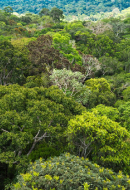
Tropical forests: abundant in countries such as Brazil, the Democratic Republic of the Congo and Indonesia, they concentrate extremely high biodiversity and are essential for carbon storage.
-
Savannahs: such as those in sub-Saharan Africa (Kenya, Tanzania) or Brazil’s Cerrado, they host a great diversity of fauna and maintain important ecological balances.
-
Mangroves: found in coastal areas of countries such as Mexico, Indonesia and Bangladesh, they protect against erosion, provide refuge for numerous species and act as natural barriers against extreme events.