Renewable energy
Iberdrola, world leader in renewable energy
For 25 years, we have been committed to renewable energy as the foundation of a clean, reliable and smart energy model. This approach forms part of a broader electrification strategy, in which networks play a key role as the backbone of an increasingly efficient and resilient system.
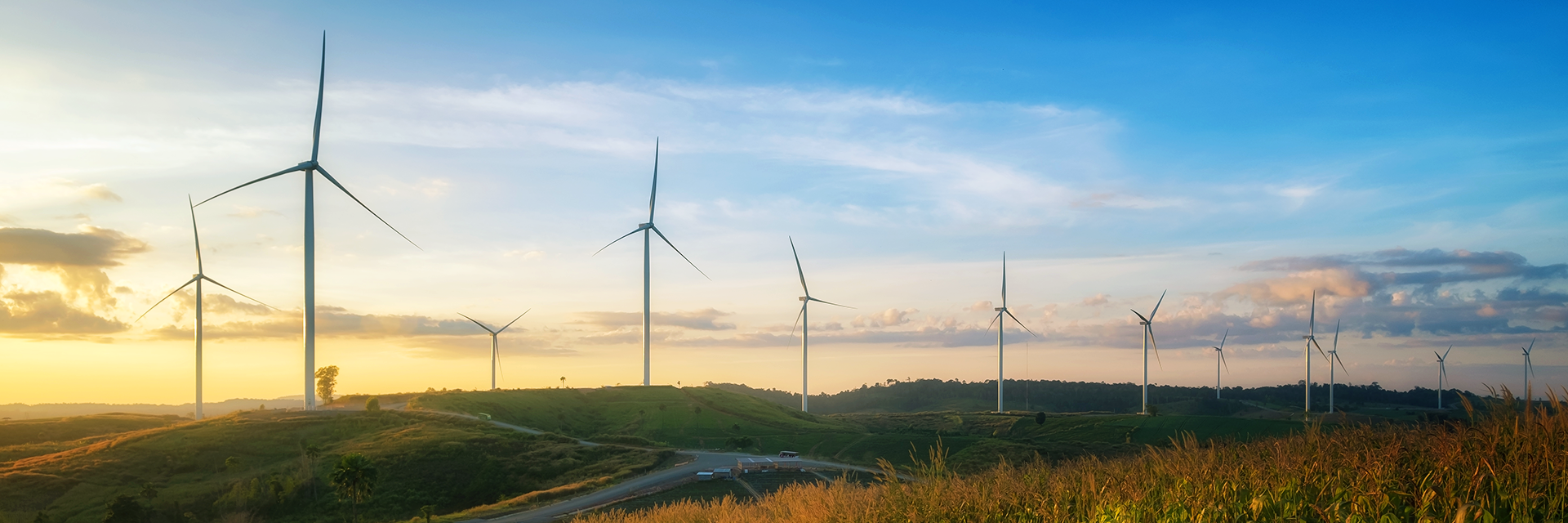
At the Iberdrola Group, we have consolidated an integrated business model based on advanced electrical infrastructure combined with local, self-sufficient and sustainable energy solutions. In line with this vision, renewable energy plays a fundamental role in ensuring the generation and supply of clean energy. Today, we are a global leader in renewable energy, reaching 46,437 MW of operational renewable capacity as of the end of the first nine months of 2026, and is spearheading electrification towards a low-emission economy.
This commitment is reflected in our Strategic Plan 2025-2028, which allocates €21 billion to the renewables business, mainly to projects already under construction, to grow selectively in markets with high credit quality. By technology, 38% of our investment will go to offshore wind, 24% to onshore wind, 10% to energy storage systems – such as pumped-storage hydro plants – and another 10% to solar photovoltaic.
Benchmarks in renewables with our international projects
At the Iberdrola Group, we are expanding our borders to continue positioning ourselves in international markets with great renewable prospects while strengthening our presence in other key countries where we operate, including Spain, the United Kingdom, the United States and Brazil.
We have a wide range of projects considered true milestones for their scale and commitment to innovation. We invest in advanced infrastructures and work with local players to drive the global energy transition. Our projects stand out not only for their innovation and capacity to produce clean energy, they also contribute to International Clean Energy Day, generating a positive impact they have on the communities where we operate, creating jobs and promoting local development.

"Increasing the electrification of the economy through greater investment in electricity grids, renewable energy and energy storage is essential for improving security, energy self-sufficiency and competitiveness. At Iberdrola, we recognised decades ago that electricity infrastructure would be essential to meet growing demand from households and industry and to promote economic and social development"
Ignacio S. Galán
Presidente de Iberdrola
Our main renewable energy projects
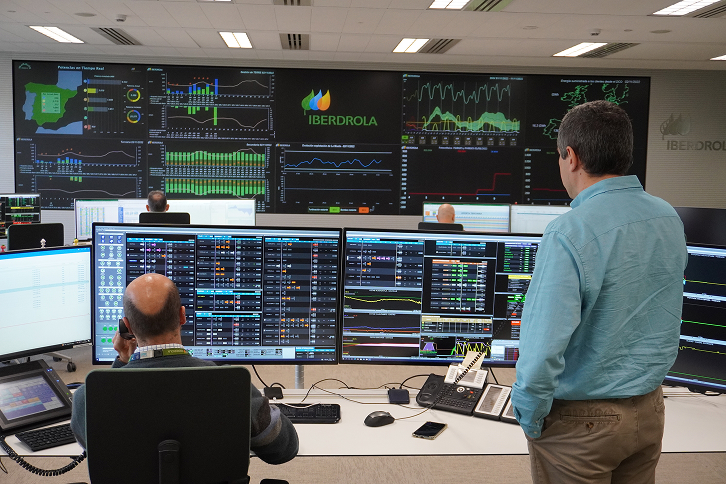
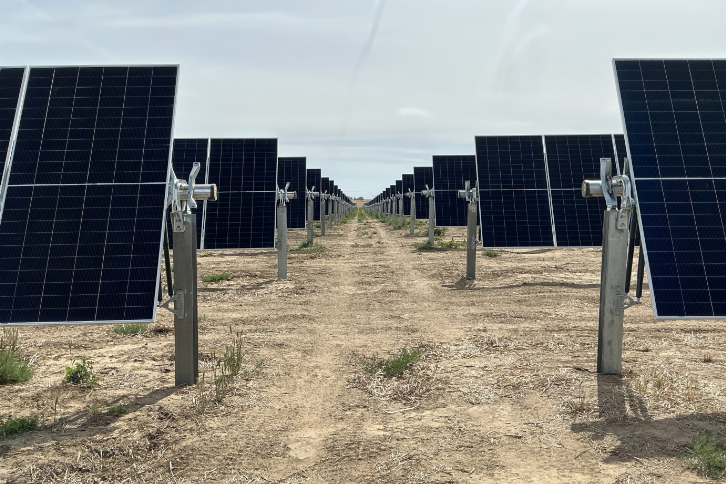
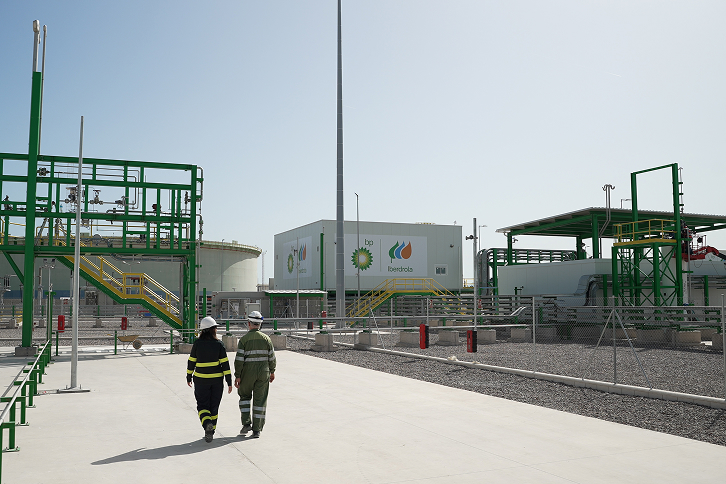
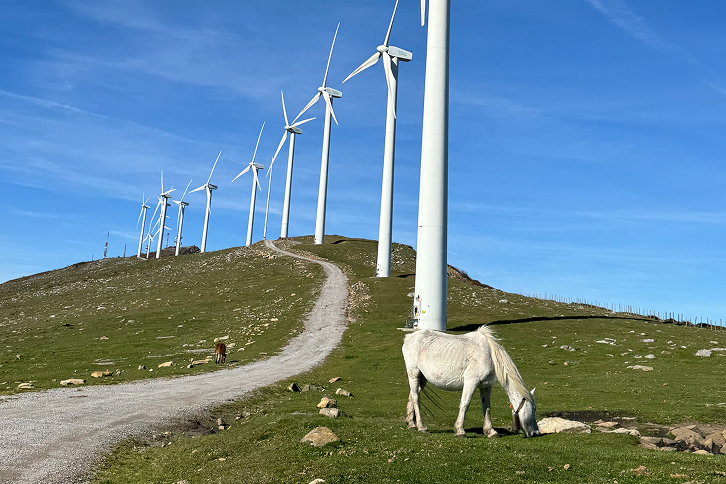
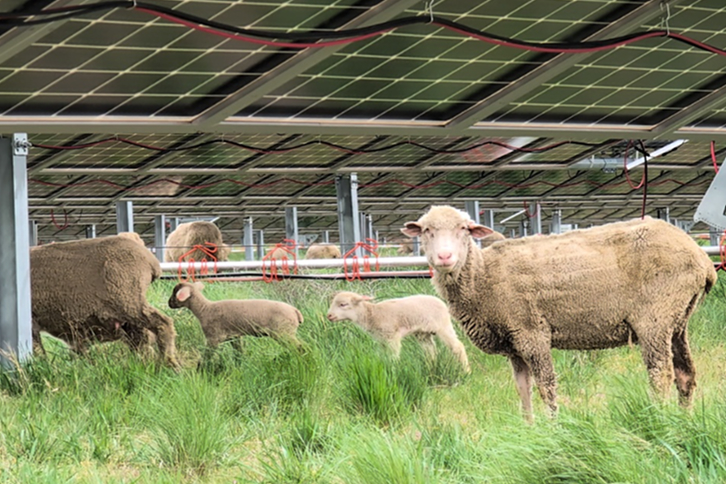
Renewable energy and the key drivers for its deployment
Electricity networks and storage are essential for integrating and deploying renewable energy, as they enable the transmission of clean electricity and the management of its variability over time. Together, they bring flexibility to the system, make it easier to balance supply and demand, and accelerate the transition towards a cleaner and more efficient energy model.
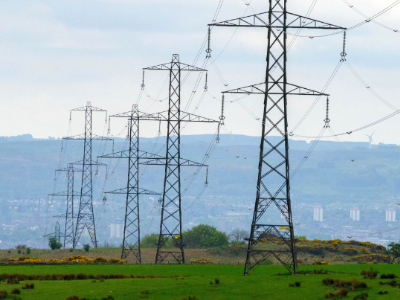
Electricity networks, key to electrification
Networks are essential to electrification, enabling the efficient management of increasingly distributed generation and connecting renewable production with points of consumption. Their digitalisation and modernisation improve system flexibility, optimise energy use and guarantee stability.
Discover electricity networks
The challenge of energy storage
Energy storage is key to managing the high level of renewable penetration and facilitating electrification. Our investment plan allocates €2 billion to 2028 to technologies such as pumped-storage plants or batteries.
Discover energy storage
Electricity networks, key to electrification
Networks are essential to electrification, enabling the efficient management of increasingly distributed generation and connecting renewable production with points of consumption. Their digitalisation and modernisation improve system flexibility, optimise energy use and guarantee stability.
Discover electricity networks
The challenge of energy storage
Energy storage is key to managing the high level of renewable penetration and facilitating electrification. Our investment plan allocates €2 billion to 2028 to technologies such as pumped-storage plants or batteries.
Discover energy storageWhat are renewable energies?
Renewable energy is generated using natural sources that will never run out, because they contain a massive quantity of energy — such as solar energy from the sun and wind energy from the wind — or because they are able to regenerate fast, like biomass.
In response to growing global energy demand, renewable energy has become the leading option for the future of power generation. In this context, the development and modernisation of electricity networks is essential to integrate this generation efficiently, guarantee supply and deliver clean energy wherever it is needed.
The main renewable energy technologies are offshore and onshore wind, hydroelectric power, photovoltaics, as well as other technologies.


What are renewable energies? Find out more!
What are the advantages of renewable energy?
Renewable energy has many advantages over non-renewable energy.
 They respect the environment
Most do not produce greenhouse gases or other pollutant emissions
 They are unlimited
They are drawn from nature’s inexhaustible resources and can be drawn upon permanently
 They are safer for our health
They do not emit gases harmful to living beings

 They offer greater flexibility
They can be installed anywhere: boats, motorhomes, homes, buildings, etc.
 They do not generate waste that is difficult to treat
They are easy to dismantle and do not neeed to be stored
 They promote employment
They create five times more jobs than conventional energy
 They promote energy independence
They develop the region’s economy, promoting its autonomy

Differences between renewable and non-renewable energy
The main difference between renewable and non-renewable energy sources is that the former can produce energy indefinitely because these sources will never run out or renew themselves within a short period of time, while non-renewable energy reserves are limited because they run out when used or regenerate extremely slowly.
Another difference is that renewable energy is highly sustainable and has a very low environmental footprint, unlike non-renewables.
More on renewable energies
What are clean energy sources?
Clean energy consists of energy production systems that do not produce any pollution, notably greenhouse gases like CO2.
Therefore, clean energies are driving our progress in protecting the environment and alleviating the crisis caused by non-renewable sources, such as gas and oil.
Discover clean energy
What are clean energy sources?
Clean energy consists of energy production systems that do not produce any pollution, notably greenhouse gases like CO2.
Therefore, clean energies are driving our progress in protecting the environment and alleviating the crisis caused by non-renewable sources, such as gas and oil.
Discover clean energy