


#training
With the aim of contributing to the society and the promotion of talent we constantly seek links between economic activity, education, training and the academic world.
-


In the International Master's Scholarship Programme we are looking to develop a new generation of people with enthusiasm for learning, desire to innovate, and aspiration to transform the energy industry.
-
 Facebook Call Notice for Master’s Degree Funding in Brazil Neoenergia Master’s Degree Scholarship
-
 Twitter Call Notice for Master’s Degree Funding in Brazil Neoenergia Master’s Degree Scholarship
-
 Linkedin Call Notice for Master’s Degree Funding in Brazil Neoenergia Master’s Degree Scholarship
-
 Whatsapp
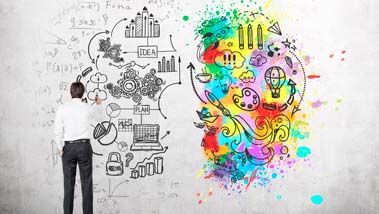
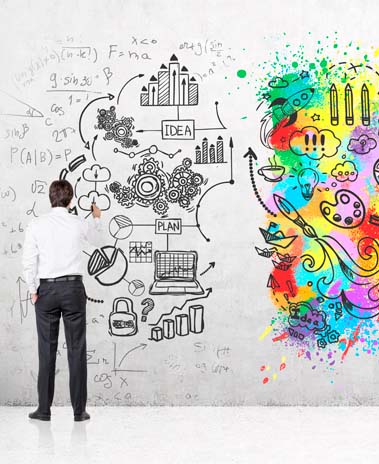
Polymathy is known as the ability to achieve excellence in several areas of knowledge. The term comes from the Greek πολυμαθής ('polymathós'), which means "one who knows many things" and is often likened to what has come to be called the 'Renaissance woman or man' of whom Leonardo Da Vinci is considered to be the greatest exponent. But are there fewer polymaths nowadays, is it more difficult to be one, and what are the advantages and disadvantages?
-
-


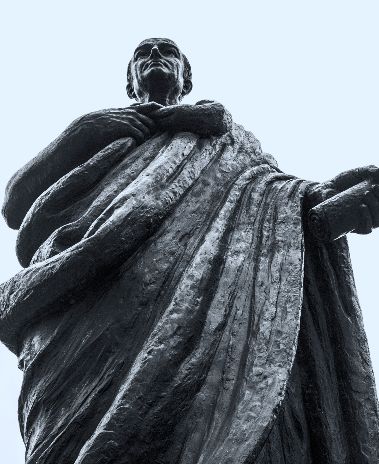
In a world shaken by constant crises, daily life becomes hectic and our peace of mind suffers. In this context, Stoicism emerges as a guide to living a fulfilling life, grounded in the value of reason and in accepting what lies beyond our control.

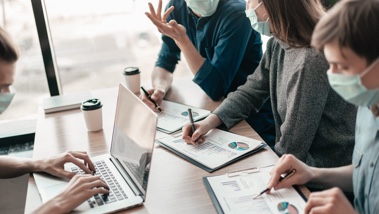
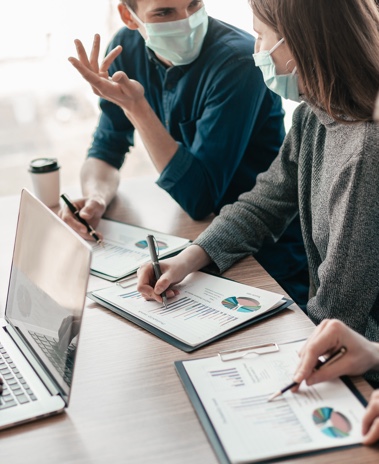
Companies are increasingly embracing learning by doing, a more action-oriented methodology when it comes to staff training. It is based on the practice of the work performed in order to stimulate the activity, motivation and participation of employees, sharing ideas in workgroupsand developing a fair self-assessment.
-
In the International Master's Scholarship Programme we are looking to develop a new generation of people with enthusiasm for learning, desire to innovate, and aspiration to transform the energy industry.



The flipped classroom pedagogical model, also known as the inverted classroom, has been gaining relevance in recent years due to the need to change the traditional learning system to adapt it to the new generations. The key to its proposal is that the student prepares the lessons (theoretical part) outside the classroom and carries out the activities (practical part) in the classroom.