


#training
With the aim of contributing to the society and the promotion of talent we constantly seek links between economic activity, education, training and the academic world.
-



We want to create a more sustainable world, with stable economies and more just and inclusive societies. A difficult but not unattainable target if we can count on involvement of governments, institutions, businesses, and, above all, a responsible and committed public.

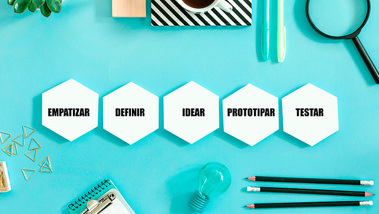
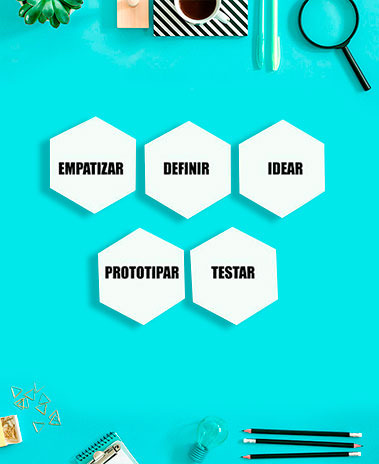
Although the methodology is not new, Design Thinking is increasingly present in the business world because of its ability to generate innovation in the development of new products and services. The key? It is a different way of thinking and acting that not only gives rise to innovative ideas, but also drives and strengthens talent.
-



Nanodegrees are revolutionising the world of training and access to cutting-edge jobs on a global scale. These collaborative and customisable courses focus on skills rather than knowledge, and, thanks to ICT, are democratising education.



In a fast-evolving digital world, agility and flexibility in tackling tasks and projects is the key to success. But how is this achieved? By implementing a different way of organising and working. This is where an agile culture comes in, as it improves productivity and encourages the development of liquid organisations.
-



Transforming your professional outlook can be quick and easy thanks to bootcamps. We are talking about specialised intensive training that covers different branches of the digital sector. It lasts for around two months on average, has a practical focus, and seeks to cover employers' demand for labour. In addition, it does not require previous qualifications.


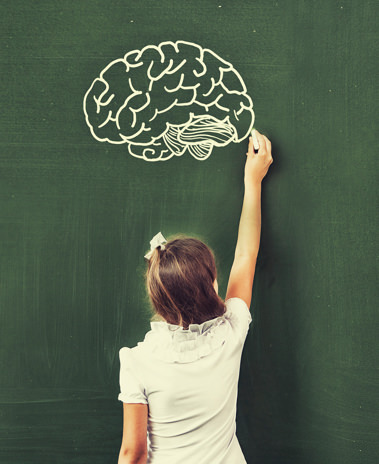
The outlook for teachers around the world today is highly complex. Every day they face the challenge of engaging students who are different from those of the past and do not respond to the same stimuli, partly due to the influence of new technologies. To capture their attention, it is necessary to understand how the human brain works during learning, and this is where neurodidactics comes into play.


