


Energy saving and energy efficiency
How to optimise energy consumption in our daily lives
Saving energy has become particularly important in recent years to protect the environment and keep bills down, and is even more essential in times of shortage or instability. Here are the keys to contributing to energy efficiency at home.
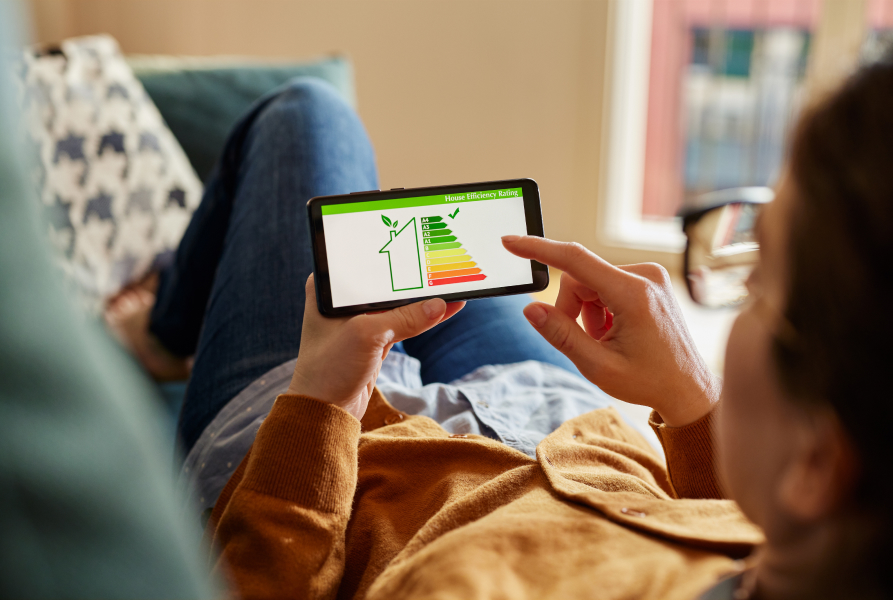
Energy efficiency is no longer an option but a necessity. Saving energy to ensure stability of supply is a goal that needs everyone's involvement, whether at home, in our workplaces, means of transport, holiday destinations or leisure places and habits. But what does energy efficiency entail?
Energy efficiency: meaning and implications
The concept of energy efficiency refers to the set of actions that optimise the relationship between the amount of energy consumed and the final products or services obtained. In other words, it aims to make the best possible use of energy so as not to use it unnecessarily and to save as much as possible without losing quality of life or production.
The concept of energy efficiency refers to the set of actions that optimise the relationship between the amount of energy consumed and the final products or services obtained. In other words, it aims to make the best possible use of energy so as not to use it unnecessarily and to save as much as possible without losing quality of life or production.
As well as helping to secure supply, this type of saving helps to reduce energy bills by using only the resources needed and contributes to the sustainability of the planet by reducing the carbon footprint.
This can be achieved through various technological measures, for example, but also through some changes in our daily habits.
How to improve energy efficiency at home
Understanding how electricity is used in the home is the first step towards adopting energy-efficient habits and reducing your energy bills.
What uses the most energy at home?
Heating
Household appliances
Domestic hot water
Cooking
Lighting
Air conditioning
Household appliances that consume the most
*Select each one individually in the illustration


Source: Institute for Energy Diversification and Saving (IDAE, Spain)
 SEE INFOGRAPHIC: What is energy efficiency and how to achieve it? [PDF]
Is energy saving the same as energy efficiency?
Although energy saving and energy efficiency have much in common, they represent different stages in the evolution of energy use.
- Energy saving: reducing consumption by changing our habits
Energy saving involves reducing the amount of energy consumed by changing behaviour and using energy services or devices less. Its main objective is to use less energy by reducing or limiting its use.
For example: switching off lights in empty rooms, unplugging electronic devices that are not being used or moderating heating and air conditioning temperature settings.
- Energy efficiency: technological optimisation without compromising comfort
Energy efficiency aims to carry out the same activities or maintain optimal performance while consuming as little energy as possible, thanks to innovation and the intelligent use of resources.
For example: replacing appliances with models with high energy efficiency ratings, improving a property's thermal insulation, installing LED lighting or opting for efficient renewable energy solutions such as heat pumps and solar self-consumption.
Tips to save energy at home
We can all contribute to saving energy with small, everyday gestures. These are some of the recommendations included in our Decalogue of energy saving at home:
-

Disconnect unnecessary devices
Turn off lights and dispensable appliances when leaving rooms. A simple way to eliminate this expense is to connect devices to a power strip to switch them off in a single movement.
-

A commitment to sustainable light
Almost a quarter of a home's energy expenditure goes on lighting, so energy-saving lamps and LEDs are the best way to reduce it. These energy-saving bulbs can save between 50 % and 80 % of energy compared to conventional bulbs, as well as being longer-lasting.
-

Regulate heating
It is recommended to keep the house at a maximum of 21°C when it is cold, a temperature that should also be maintained in shops, businesses and public buildings. If you are away from home, it is preferable to lower the thermostat to 15°C to avoid wasting energy. Other recommendations are to turn off the heating while sleeping, ventilate in the morning before turning it on, avoid covering radiators and close blinds at night to maintain the temperature. Remember to tune up the system: bleed radiators at the start of the coldest season and install thermostatic valves on radiators or programmable thermostats.
-

Use air conditioning sparingly
The use of air conditioning is one of the main energy costs in homes in very hot weather. Various private companies and public institutions have already set minimum temperature limits (such as 27 ºC) at which air can be programmed in their buildings, and the fact is that for every degree that we increase the air conditioning, we save up to 10% on the final bill. Therefore, air should be used sparingly, only when necessary and at a moderate temperature.
Other simple tips are to keep doors closed to prevent the cold from escaping, to check air-conditioning units regularly or to choose the most efficient ones at the time of purchase.
-

Natural ventilation as the first choice
One recommendation, whenever possible, is to generate fresh air currents and close doors and windows to maintain the temperature when it is appropriate. Blinds can help to ventilate the house without letting the sun in.
-

Garments adapted to the season
Choose clothes that are comfortable for you, according to the time of year and the weather. Remember: every small gesture helps to reduce electricity consumption.
-

Opt for efficient appliances
Foresight is a virtue: when buying an appliance, choose those with a good energy rating - the highest is A+++, while the lowest, and therefore the least efficient, is D.
-

Escape from standby
Standby mode accounts for up to 10% of total household consumption. Avoid it and completely unplug appliances that you are not using. In this case, the use of timers can be very useful.
-

Pay attention to the refrigerator
Of all the electrical appliances in the home, the refrigerator absorbs 30.6% of all electricity consumption, according to the IDAE (Institute for Energy Diversification and Saving), as it is always plugged in and working 24 hours a day, seven days a week. Invest in one with good energy efficiency and make sure the size does not exceed your needs. Experts recommend cleaning and defrosting the fridge periodically, as the layer of ice inside makes it less efficient. They also advise not to place it close to heat sources such as the oven or microwave and to avoid leaving the door open for too long.
-

Wash sustainably
Try to use the washing machine to its maximum load capacity, use the ECO programme and opt for low temperature washing if the clothes are not very dirty. Take advantage of sunny days to dry clothes and leave the tumble dryer for cold and rainy days, as it consumes twice as much energy as the washing machine.
-

Find out more, consult your distribution company
You can check your consumption and manage your energy by contacting your distribution company or retailer. Knowing the evolution of your energy expenditure is essential to avoid unnecessary expenses.



Solutions for energy renovation and home electrification
The transformation of the residential sector requires combining improvements in thermal energy efficiency with the replacement of combustion-based systems. Integrating technologies such as heat pumps, advanced insulation, distributed solar photovoltaic generation and smart charging optimises household energy consumption, reduces direct emissions and accelerates the transition towards a decarbonised building model.
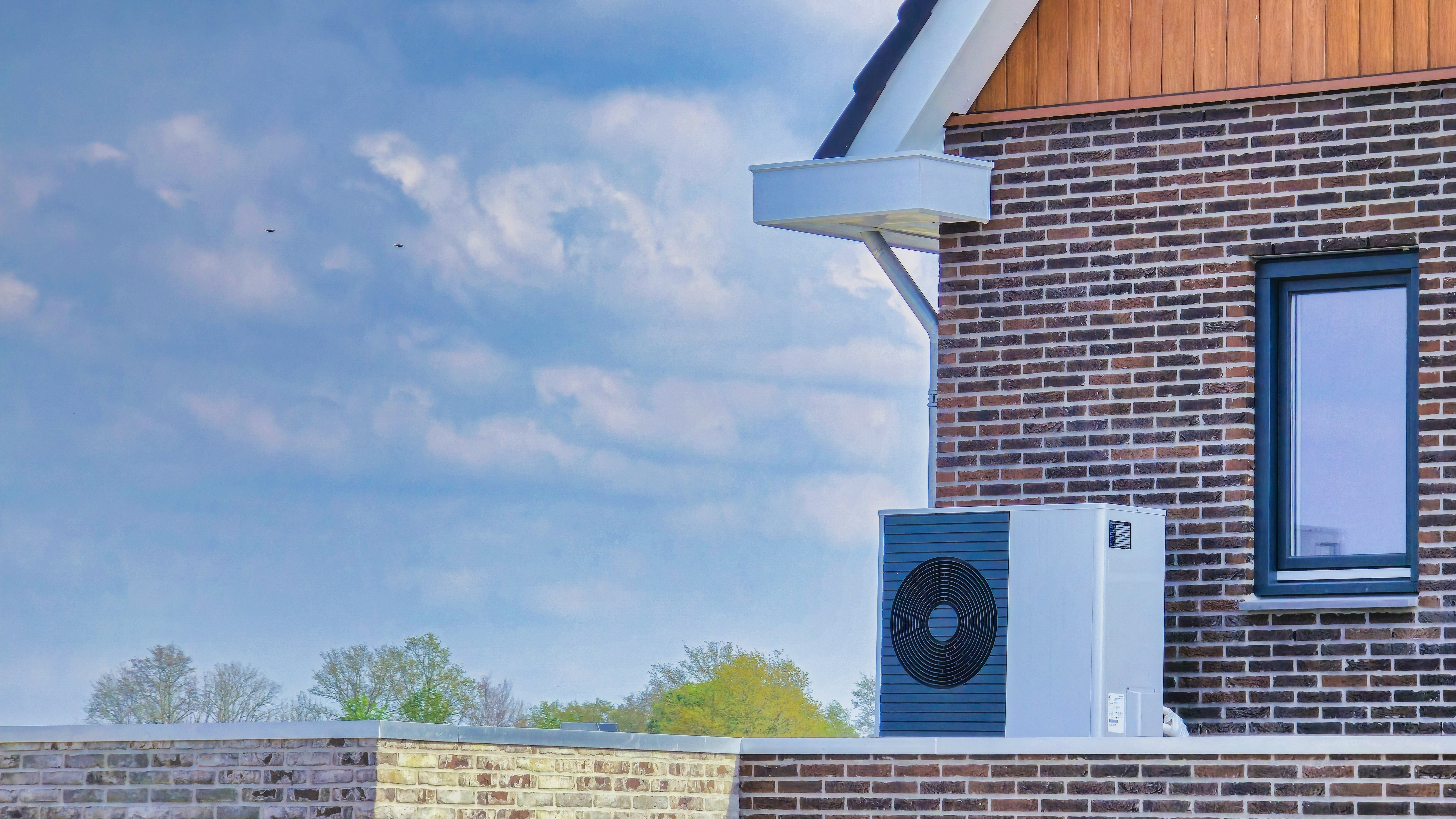
Replacing fossil fuel boilers with heat pumps
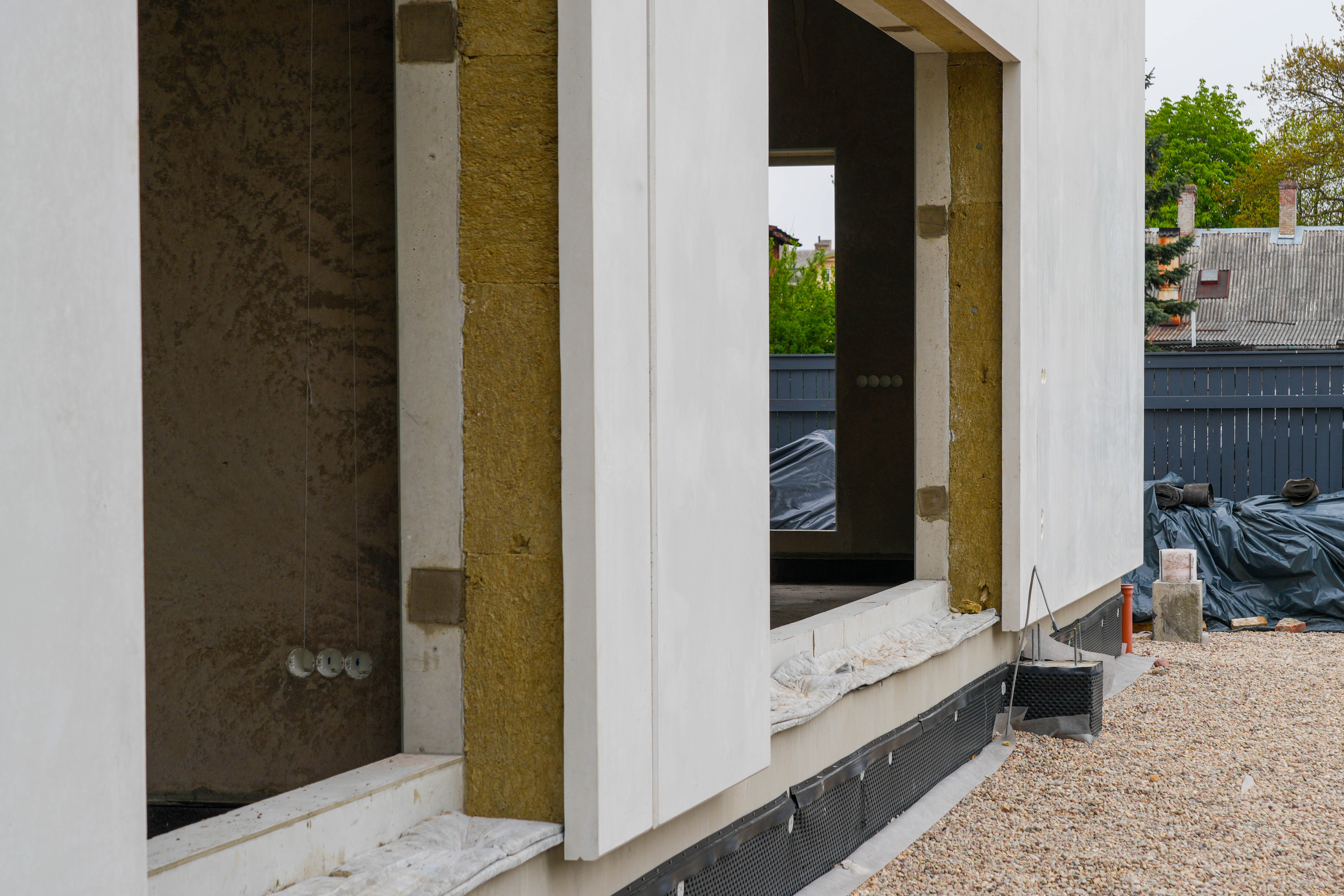
External thermal insulation systems (ETICS) and comprehensive thermal renovation
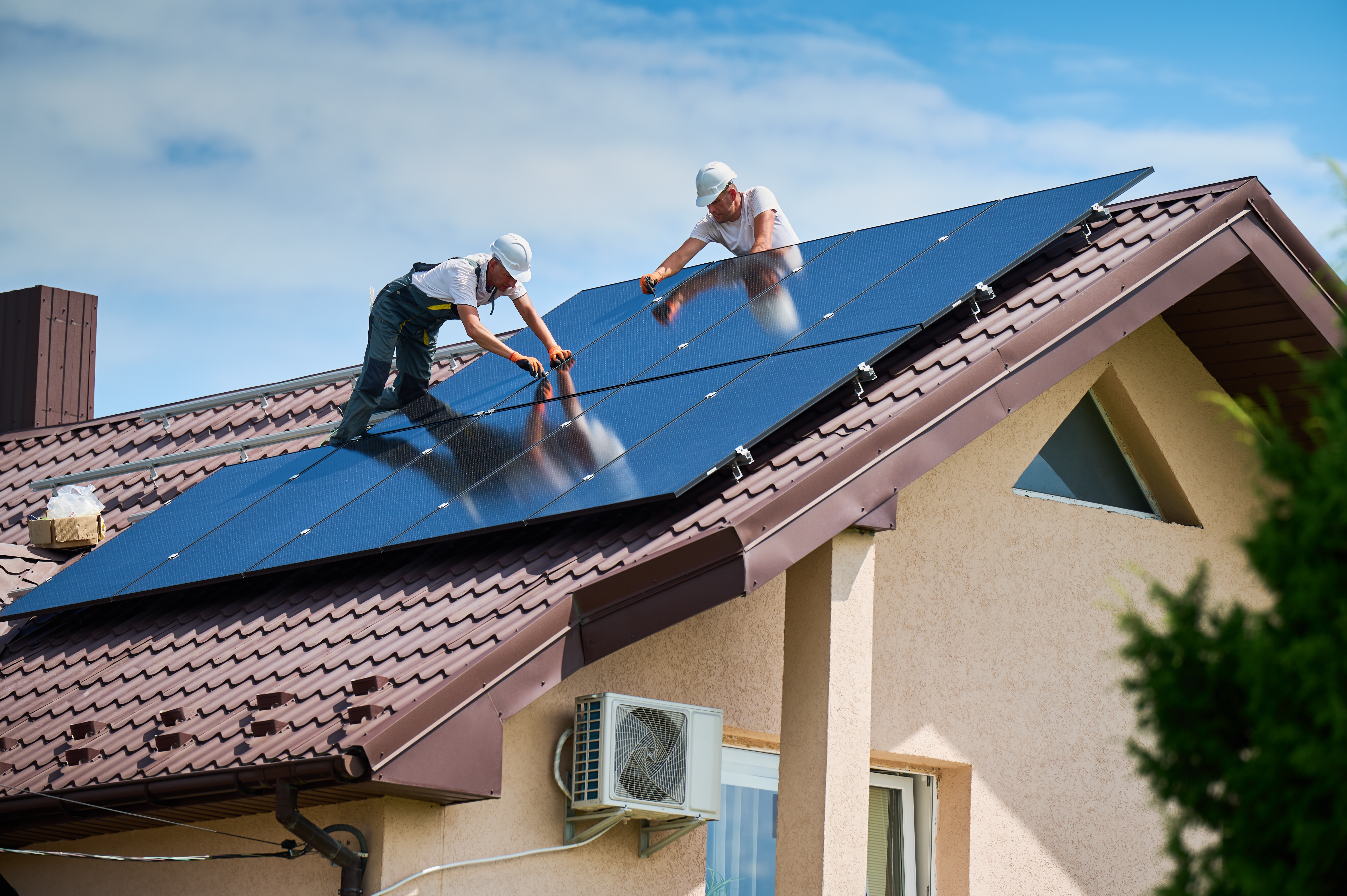
Solar self-consumption and energy communities

Smart charging points for electric vehicles
Replacing fossil fuel boilers with heat pumps
Heat pumps are currently emerging as one of the most efficient and established heating and cooling solutions for providing space heating and domestic hot water, generating up to four times more thermal energy than the electricity they consume.
Heat pump technology can multiply energy efficiency in the home. For every kilowatt-hour (kWh) of electricity consumed, the system generates between 3 and 4 kWh of thermal energy by harnessing energy from the outside air. This enables the gradual replacement of more polluting gas and oil boilers with more innovative and cost-effective solutions.
External thermal insulation systems (ETICS) and comprehensive thermal renovation
Installing External Thermal Insulation Composite Systems (ETICS) on façades and roofs can reduce heat loss from buildings by up to 60%.
Renovation work combining improved insulation of the building envelope with high-performance thermal windows can significantly improve a building's energy rating, thereby reducing the need for heating and cooling throughout the year.
Solar self-consumption and energy communities
Modern energy renovation goes beyond the individual home to encompass the wider community. Installing solar panels on shared residential rooftops allows residents to cover up to 40% of their annual electricity demand with renewable energy.
Furthermore, self-consumption, battery storage and digital systems for dynamic energy sharing are the ideal combination for making use of surplus solar energy during periods of lower solar radiation, increasing the building's energy autonomy.
Smart charging points for electric vehicles
Home electrification is directly connected to the electrification of transport. Installing smart charging points in communal or private garages allows contracted power to be managed flexibly.
These systems adjust electric vehicle charging by prioritising lower-cost periods or times when the building's photovoltaic system is generating electricity, ensuring efficient use of the network without compromising the home's electricity supply.
Iberdrola and energy efficiency
At the Iberdrola Group, we view energy efficiency from a threefold perspective:
-

As an electricity company
We strive to improve efficiency by introducing the most advanced technologies and equipment in the generation, transmission and distribution of energy, as well as by reducing auxiliary and cooling water consumption. Two main materials are required to produce energy: fuel and cooling water.
-

As an electricity supplier
We want to contribute to a more efficient use of energy by consumers, informing and training users and providing them with solutions that help them to improve their efficiency and reduce the environmental impact of their energy habits and consumption. We also promote and develop energy-efficient buildings.
-

As an energy-consuming company
We drive continuous improvement in energy efficiency in all our activities (energy audits to identify opportunities for improving energy performance in offices and buildings, vehicles, water, mobility, employee awareness including energy efficiency training to raise awareness of energy consumption reduction, etc.).


