The sixth extinction
Climate change is accelerating the sixth extinction
Global biodiversity has declined alarmingly over the past half-century: more than 48,600 species are at risk of extinction, according to the IUCN Red List (International Union for Conservation of Nature, IUCN). Climate change is the main cause of this threat.


In danger of extinction: from hunter to hunted
Would you like someone to tell you about it? Listen to this article. For those who want to change the world.
"Human activity, the consumption of fossil fuels, the acidification of the oceans, pollution, deforestation, and forced migrations threaten life forms of all kinds. It is estimated that one-third of corals, freshwater molluscs, sharks, and rays, one-fourth of all mammals, one-fifth of all reptiles, and one-sixth of all birds are heading towards extinction". This resounding paragraph taken from the book The Sixth Extinction (2015) by journalist and Pulitzer Prize winner Elizabeth Kolbert is a good summary of the current situation of the natural biodiversity on planet Earth.
After this publication, the scientific community began to discuss and study the sixth extinction. The previous five extinctions had occurred over the last 450 million years, due mainly to meteorites and volcanic eruptions. The sixth extinction, however, has to do with human beings. Studies such as How many species will Earth lose to climate change  External link, opens in new window. (John J. Wiens and Joseph Zelinka, 2024) or Climate change extinctionsExternal link, opens in new window. (by Mark C. Urban, 2024 estimate that in a worst-case scenario of global warming (with a 4 °C rise), climate change alone could cause the extinction of between 20–30% of existing species over the next 50–100 years.
Ample evidence demonstrating the reduction in the natural biodiversity of our planet can be found in the Red List of Threatened Species External link, opens in new window. from IUCN. That list includes 48,600 endangered species out of the 172,600 assessed in 2026. In the oceans, to cite just one such example, the rise in temperature and the acidification of water are turning coral reefs — previously lush underwater meadows full of algae, fish, molluscs, and crustaceans — into whitish deserts.
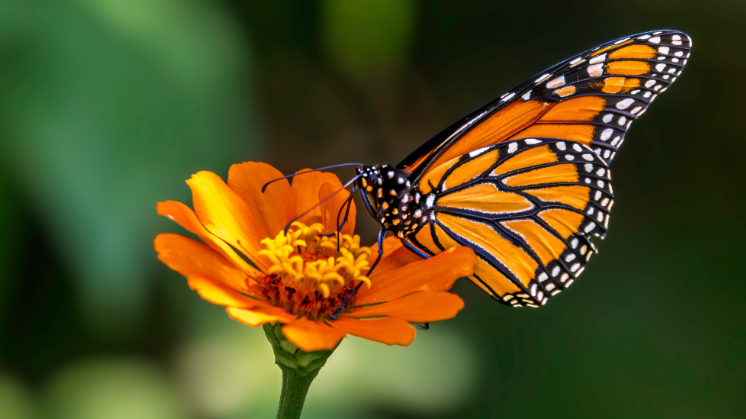
For their part, European scientists have been studying the reduction in the mass of flying insects. Climate change and pesticides appear to be the main causes of this significant decline. For example, Greenpeace estimates that 37 % of bee populations in Europe are in decline. Who will pollinate the plants that feed us? According to the Food and Agriculture Organisation of the United Nations (FAO), almost 90 % of wild flowering plant species and more than 75 % of the world’s food crops depend entirely or partly on pollination. Pollinators such as bees not only contribute directly to food security and nutrition, but are also essential for the preservation of biodiversity.
The sixth great extinction in figures
Key species: percentage threatened with extinction
-
71%
Cycads

-
44%
Reef corals

-
41%
Amphibians

-
38%
Sharks and rays

-
34%
Conifers

-
28%
Crustaceans

Red list of threatened species
48,600 most threatened species (28%) of 172,600 assessed.
The major threats
-

Habitat loss
-

Over-exploitation of species
-

Pollution
-

Invasive species and diseases
-

Climate change
Source: IUCN Red List of Threatened Species (International Union for Conservation of Nature).
 SEE INFOGRAPHIC: The sixth great extinction in figures [PDF]
If human activity has been capable of bringing about such profound changes, it is equally capable of driving a change of course. In this context, climate change places the need to move towards a decarbonised economy, based on emissions reduction, at the heart of the debate. To achieve this, it will be essential to accelerate electrification, develop smarter and more efficient energy production systems, promote responsible consumption and establish balanced financing mechanisms that facilitate the deployment of clean energy without penalising it.