


How we pollute the environment
Little things you do that pollute the environment, even though you (might) not realise they do
Brushing our teeth with the tap running, drinking bottled water or throwing chewing gum on the ground. These and many other everyday actions show that we are not always aware of how we pollute the environment. According to a United Nations report, more than 400 million tonnes of plastic are produced every year, of which less than 10% is recycled and 11 million tonnes end up in lakes, rivers and seas. We therefore need to adopt small daily habits that help protect our planet.
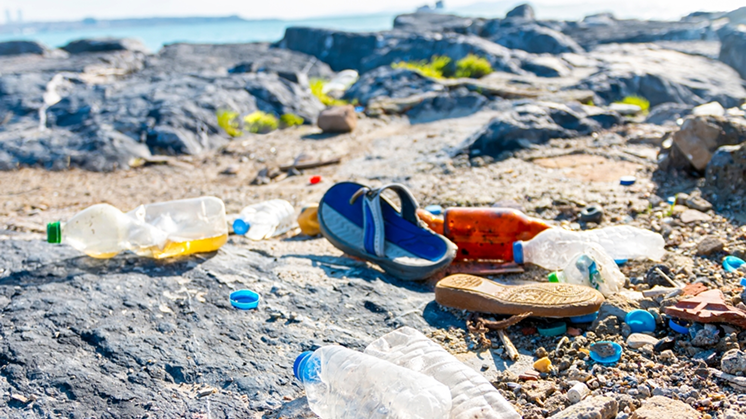
The loss of biodiversity caused by human-generated pollution is a reality. Every year, tonnes of plastic are recovered from the oceans, posing a threat to ecosystems, the survival of species and food security. It is therefore vital that we become more aware of our carbon footprint on the planet.
How we pollute the environment
We are breaking a terrible record, one that has never occurred in the history of mankind. According to Intergovernmental Science Policy Platform on Biodiversity and Ecosystem Services (IPBES), more than one million species of plants and animals are threatened with extinction as a result of human activities. Overexploitation, climate change, pollution, the introduction of invasive species and land use change are causing their disappearance, which is hundreds of times faster than the natural extinction process. In 2024, the institution stressed that biodiversity loss requires transformative changes in production and consumption systems and in our relationship with nature, since all socioeconomic activities depend on it.
Experts now believe that this unsustainable use of land, water and energy has taken us through the sixth mass extinction in history, as the World Wildlife Fund (WWF) explains in an article. A total of 40% of the Earth's land surface has been converted for food production. In addition, 90% of global deforestation and 70% of the world's freshwater use are attributed to agriculture. These actions alter habitats where plant and animal species live, leading to their disappearance.
The key figures of global warming

Temperature of the planet
Due to mankind’s activities, in 2023 the temperature of the planet was already 1.36ºC higher than it was before the industrial revolution

Sea level
The global sea level has risen 20 cm since 1880 and it is expected to rise an additional 30 - 122 cm by 2100

Global CO₂ emissions must be reduced to zero by 2050 to limit heating to 1.5 ºC

A bold climate action could generate at least 26 billion dollars in profits by 2030

Paris Agreement
It covers a third of the CO₂ reductions needed to keep the world below 2°C

Energy industry
It will create more than 18 million jobs related to sustainable energy by 2030

10 everyday activities that pollute
Fighting global warming is everyone’s responsibility. According to a 2024 report by the United Nations Environment Programme (UNEP), municipal solid waste generation could increase from 2.1 billion tonnes in 2023 to 3.8 billion tonnes by 2050. We therefore need to become aware of many polluting habits that should be avoided at all costs:
-

Using aerosol deodorants
Sprays damage air quality, although according to a study published in the scientific journal Nature Communications in 2018, their effects on temperature vary depending on the region of the world where they are used.
-

Drinking water from plastic bottles
These containers take 500 years to decompose and release microparticles that are harmful to health.
-

Overconsumption of clothing
Fast fashion is one of the main drivers of the global waste crisis. According to the United Nations, the equivalent of one rubbish truck full of clothes is incinerated or sent to landfill every second.
-

Washing without turning off the tap
North Carolina State University (US) estimates that we could save more than 1,400 litres of water per person every month simply by turning off the tap while washing our hands and brushing our teeth.
-

Wasting food
According to a 2024 study by the World Wide Fund for Nature (WWF), food waste is responsible for 10% of global greenhouse gas emissions and uses 25% of all freshwater resources.
-

Buying products with excessive packaging
Products such as expanded polystyrene, commonly used in packaging, have low recycling rates and their processing releases harmful chemicals, polluting seas and soils.
-

Flushing disposable wipes down the toilet
These products do not break down like toilet paper and are responsible for the vast majority of blockages in wastewater treatment plants and sewage systems.
-

Consuming energy inefficiently
Excessive use of heating and cooling systems, together with the use of fossil fuels as the main energy source, account for 35% of global emissions, according to the United Nations.
-

Failing to recycle electronic waste
In our homes, it is common to find obsolete electronic devices such as mobile phones, computer mice or batteries that no longer work. Although these electronic waste products may seem harmless, they are becoming a growing environmental problem. We should therefore separate unusable electronic devices, store them safely and take them to authorised collection points.
-

Throwing away plastic rings without cutting them
These plastic rings trap animals such as fish and turtles, causing mutilations, deformities or even death.


The impact of plastics and microplastics on the environment
Microplastics, tiny plastic particles, end up in food, water and the air. According to the United Nations, it is estimated that every person on the planet consumes more than 50,000 plastic particles each year, and many more if inhalation is taken into account, posing a threat not only to ecosystems but also to human health.
These particles have affected the entire marine food chain, including plankton, shellfish, fish, turtles, whales and seabirds and shorebirds, as a result of pollution caused by waste reaching the oceans every day. The damage therefore occurs at every level, from ecosystems and biodiversity to humans consuming contaminated food. In response, the United Nations is seeking to influence the creation of policies aimed at reducing single-use plastics and improving waste management.
Alternatives for protecting the environment
Once we become aware of how we pollute the environment, we must look for solutions and change our habits. These are some of the proposals put forward by the United Nations (UN):
-

Separate waste
Do not mix waste at home and make sure you use the correct recycling bins.
-

Recycle and reuse
Avoid single-use plastics and always use containers and items that can be reused several times. Before throwing something away, think about whether it could have a second life.
-

Save energy
Make the most of natural light, use LED bulbs, avoid turning on unnecessary lights and regulate heating and air conditioning thermostats.
-

Consume organic food
Buy products such as fruit and vegetables that are free from fertilisers and other pollutants.
-

Turn taps off properly
Make sure taps are not dripping after washing dishes or personal hygiene routines.
-

Travel sustainably
Walk, cycle or use public transport whenever possible.
-

Avoid disposable bags
Replace plastic and paper bags with cotton alternatives.
-

Fill your home with plants
Plants and trees produce oxygen and are essential for nature.


Iberdrola’s role in protecting the environment
In addition to individuals, companies must also play a role in protecting our planet. For more than 20 years, the Iberdrola Group has placed the development of a sustainable and competitive economy at the heart of its strategy, focusing on the deployment of clean energy and electricity networks that are essential to driving the electrification of the planet, with the goal of achieving carbon neutrality by 2050.
These measures, integrated into our 2030 Biodiversity Plan, aim to incorporate a conservation perspective into our projects by avoiding, reducing, restoring and offsetting impacts. Through this plan, we seek to avoid installations in areas of high ecological value, reduce pollution and restore affected habitats. We also carry out measurable monitoring of our impact through assessment systems that evaluate effects on species and ecosystems where our infrastructure is located.
One example that demonstrates our commitment to mitigating pollution in our operations is the East Anglia One project, where the installation of two floating containers (known as seabins) was promoted to collect plastic waste and part of the oils, detergents and fuels floating near the port of Lowestoft.
These and many other initiatives help build a better future and a cleaner, more sustainable energy model – a longstanding commitment that has made us leaders in electricity networks and renewable energy.