


Biodiversity summit 2026: COP17 – Yerevan, Armenia
COP17: a meeting to defend biological diversity
Nature Climate action Biodiversity Foros
The Conference of the Parties on Biodiversity, or Biodiversity COP, is the most important forum for discussion and negotiation under the United Nations Convention on Biological Diversity (CBD). From 19 to 30 October 2026, its 17th edition will be held in Yerevan, Armenia, to seek solutions to critical challenges affecting our ecosystems.

Despite efforts to protect the Earth, biodiversity is deteriorating across the planet and this degradation is expected to worsen unless urgent and targeted action is taken. With this goal in mind, the UN Biodiversity Conference (COP 17), taking place from 19 to 25 October 2026, brings together governments from around the world to agree on global measures and initiatives focused on protecting and restoring nature.
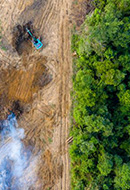
The choice of Armenia as host of this summit comes at a time when the country has been losing around 110 hectares of forest each year, mainly due to illegal logging, firewood collection, overgrazing and mining, according to the EU4Environment External link, opens in new window. programme.
During a press conference organised in Yerevan by the European Business Association (EBA) in 2025, the UN Resident Coordinator in Armenia, Françoise Jacob, emphasised the importance of Armenia demonstrating its commitment to the 2030 Agenda for Sustainable Development as it prepares to host COP17: “We believe that for Armenia, hosting COP17 represents an opportunity to become a benchmark for biodiversity. With government leadership and the support of all stakeholders, we can be confident in the success of this initiative.”
What is the biodiversity summit (COP)?
The Conference of the Parties on Biodiversity, or Biodiversity COP, is a high-level conference organised by the United Nations that brings together states, regional organisations and non-state actors. Its importance lies in its potential to address issues related to the conservation of biological diversity, the sustainable use of its components and the fair and equitable sharing of benefits arising from the use of genetic resources, with the aim of finding solutions to critical global challenges.
The Biodiversity Summit has its origins in the Earth Summit in Rio de Janeiro in 1992, which marked the first global agreement to jointly address issues related to nature conservation and the sustainable use of resources. Since then, three conventions have been created, each focused on addressing and helping to eliminate specific environmental impacts: the climate change COP, the desertification COP and the biodiversity COP, which is holding its 17th edition this year.

Objectives of the 2026 biodiversity summit (COP 17)
COP17 will address a number of key issues, as defined in the first provisional agenda [PDF] published in March 2026 by the Conference of the Parties to the Convention on Biological Diversity (CBD). The main topics include resource mobilisation and the financial mechanism; global planning, monitoring and review of collective progress in implementing the Kunming-Montreal Global Biodiversity Framework; cooperation with international organisations and bodies established under other conventions; digital sequence information on genetic resources; synthetic biology; and the development of a Gender Action Plan.
Other recurring issues will also be addressed, such as biodiversity and climate change, its relationship with agriculture and health, the sustainable management of wild fauna and flora, and invasive alien species.
The objectives of COP17 are guided by the Kunming-Montreal Global Biodiversity Framework, adopted at COP15 in December 2022. This framework serves as a roadmap for the 196 parties to the Convention to take action at national level in pursuit of its four goals and 23 targets, with the aim of halting and reversing biodiversity loss by 2030. Among the targets highlighted by the United Nations are:
-

Conservation
Conserve at least 30 % of terrestrial, marine and coastal areas globally.
-

Ecosystem restoration
Restore at least 20 % of degraded freshwater, marine and terrestrial ecosystems, with particular attention to priority ecosystems.
-

Control of invasive species
Reduce by half the rate of introduction of known or potential invasive alien species.
-

Reduction of toxic substances and waste
Reduce by at least half the nutrients lost to the environment and by at least two-thirds the use of chemicals harmful to biological diversity, particularly pesticides, while also eliminating plastic waste discharge.


Iberdrola’s role in protecting biodiversity
At Iberdrola, we consider the protection of biological diversity to be one of the key priorities in our strategy. This commitment is reflected in our 2030 Biodiversity Plan, which establishes the mechanisms needed to achieve this goal and drive the transformation towards an energy model in harmony with nature and people.
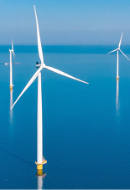
Through projects such as the construction of offshore wind farms, a range of processes are put in place with the aim of protecting ecosystems. Measures such as environmental impact assessments before construction, the installation of tracking systems to assess impacts on marine flora and fauna, and the use of different noise mitigation techniques help ensure that the path towards electrification remains compatible with the conservation of nature.
As a demonstration of this commitment, the Iberdrola Group has actively participated in several COP conferences held around the world, including COP30, held in Belém, Brazil, in 2025, where we highlighted the importance of expanding renewable energy and meeting global climate targets to protect our planet.