


Electric bikes: an efficient way to get around town
Would you like to be part of the future of urban mobility?
Affordable, sustainable and healthy. E-bike sales are booming worldwide and more than 700 major cities have electric bike-sharing systems. Find out why.
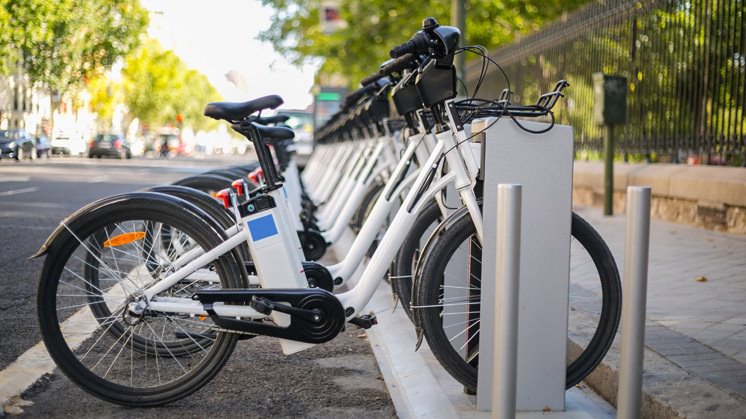
What is an electric bike?
E-bikes are part of the light electric vehicle segment with the highest global uptake. By definition, an e-bike is a bicycle fitted with an electric motor, a rechargeable battery and a control system that assists pedalling.
Electric bikes, also known as e-bikes, have established themselves as a practical alternative for urban and suburban journeys, as they allow riders to cover greater distances than a conventional bike in the same amount of time and with less physical effort. In this way they help to replace short journeys which, in many cases, are still made in combustion-engine vehicles.
Furthermore, this mode of transport is constantly evolving: technology is developing batteries that are increasingly lighter, with greater range and a longer service life. With a full battery, an electric bicycle can currently travel between 30 to 100 kilometres, or even further, depending on the model, the rider's weight and the terrain. E-bikes thus represent an accessible, efficient solution that is becoming increasingly integrated into urban mobility, particularly with a view to the future electrification of transport vehicles.
Why electric bikes are gaining prominence
Electric mobility is not advancing solely through vehicles such as electric cars, buses or lorries. It is also advancing through lightweight, local solutions such as electric bicycles, scooters and motorbikes, which are particularly useful in urban environments. The International Energy Agency notes that two- and three-wheeled electric vehicles are the most electrified segment of road transport: by 2025 one in 10 vehicles of this type on the road worldwide will already be electric. Meanwhile, organisations such as the Institute for Transport and Development Policy (ITDP) highlight the role of electric bicycles in replacing journeys made in more-polluting vehicles and facilitating longer journeys with less effort, while the European Bicycle Industry Confederation (CONEBI) points out that the sector maintains strong interest and plays a significant role within the European market, bolstered by sustainable mobility policies, incentives and new design and sustainability requirements.


Advantages of electric bikes
-

Greater range in less time
They make it easier to cover longer distances than a conventional bicycle and help connect neighbourhoods, workplaces, stations and leisure areas.
-

Fewer direct emissions
As they are powered by electricity and pedalling, they do not emit gases or particulate matter, which helps to keep the city's air cleaner. This also helps to reduce the use of combustion-engine vehicles on short journeys.
-

Less physical effort
They allow you to climb hills, carry light loads or get around more comfortably without sacrificing physical activity.
-

Less noise and congestion
They take up less space than a car, generate less noise and help make cities more liveable.
-

Lower costs
They are a much cheaper means of transport than a car. Lower initial cost, zero expenditure on fuel, insurance premiums, taxes or parking.


Basic regulations and safety
For an electric bike to be treated as a conventional bicycle on the road, it must meet a series of requirements set out by European regulations. These criteria ensure that the electric assistance supports pedalling rather than replacing the rider's manual effort.
An electric bicycle must be equipped with an auxiliary electric motor with a maximum continuous rated power of 250 W, whose assistance operates only while the user is pedalling. In addition, the system must progressively reduce the motor assistance until it stops when the bicycle reaches 25 km/h. When these conditions are met, the electric bicycle is considered a cycle for regulatory purposes and therefore does not require a driving licence, registration plate or compulsory insurance to be ridden on public roads.
Beyond these general requirements it is important to be aware of the specific regulations in each local authority as the conditions for riding on pavements, cycle lanes, pedestrian zones or other designated areas may vary.
Debunking some myths
Although e-bikes are becoming increasingly common in our cities, there are still some preconceived notions about how they work, their advantages or their use. Far from replacing the traditional bicycle, electric assistance expands its possibilities and makes it easier for more people to incorporate it into their daily journeys. Below we debunk some of the most common myths about this sustainable transport option.
-

“They’re not really bicycles”
They are bikes with pedal assistance: the motor helps, but the rider still pedals.
-

“They’re only for people who don’t want to exercise”
The assistance allows you to adjust the effort required, but it still promotes active travel.
-

“They recharge by pedalling”
Actually, only some models do. And it takes more effort to pedal in recharge mode.
-

“They’re too heavy”
They weigh more than a conventional bike, but the electric assistance compensates for that extra weight while riding, making them suitable for all ages and fitness levels.
-

“They’re only useful in flat cities”
In fact they're particularly useful in cities with hills or more challenging routes.
-

“They’re much slower than cars”
The average speed in the centres of major cities is very similar for bikes and cars: between 15 and 25 kilometres per hour.
-

“You don’t need to wear a helmet”
Although it depends on the legislation in each country, wearing a helmet is always advisable, especially for children or when cycling on roads or inter-urban routes (in which cases the law often makes it compulsory).


Best cities for cycling
To rank the best cities for cycling, many international organisations use the index published by Luko, Global Bicycle Cities, which analyses 90 cities and assesses aspects such as cycling infrastructure, safety, cycling rates, bike-share schemes, weather conditions and initiatives to promote this form of transport.
The highest-ranked cities are:
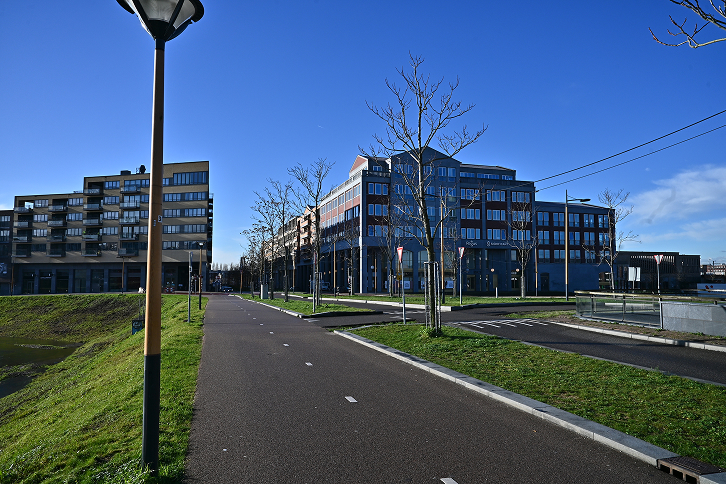
Utrecht (Netherlands) - A cycle path in Utrecht's Leidsche Rijn district, opposite a new shopping precinct.
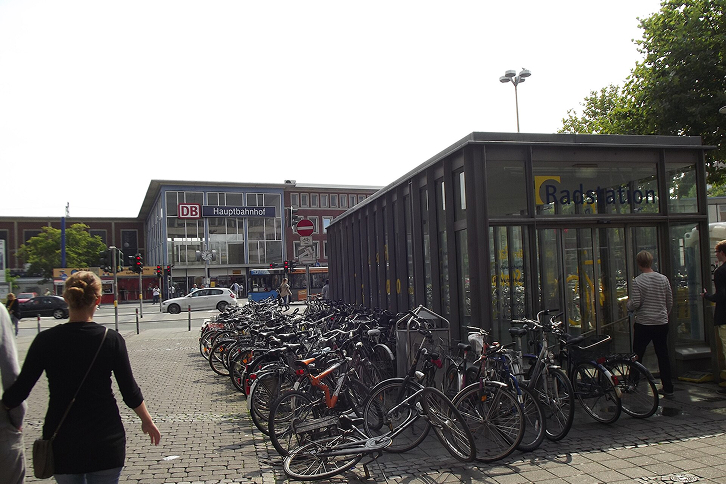
Munich (Germany) - Entrance to the Munich underground cycle park, opposite the tram station
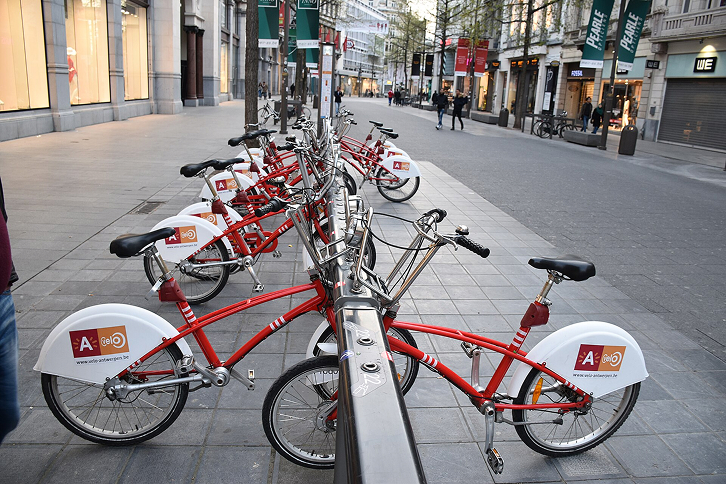
Antwerp (Belgium) - Velo Antwerp hire bikes in Meir.
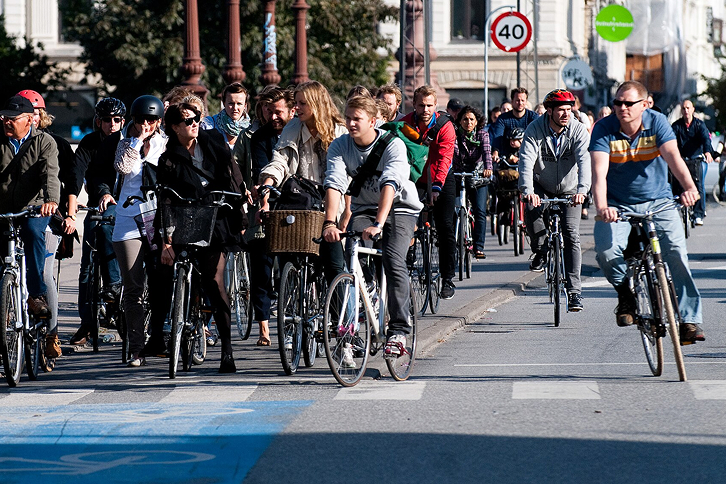
Copenhagen (Denmark) - Cyclists at a red traffic light
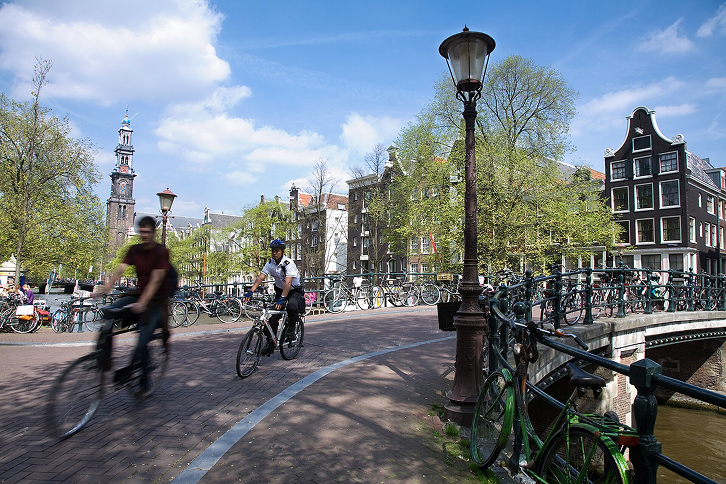
Amsterdam (Netherlands) - Cyclists riding through the streets of Amsterdam
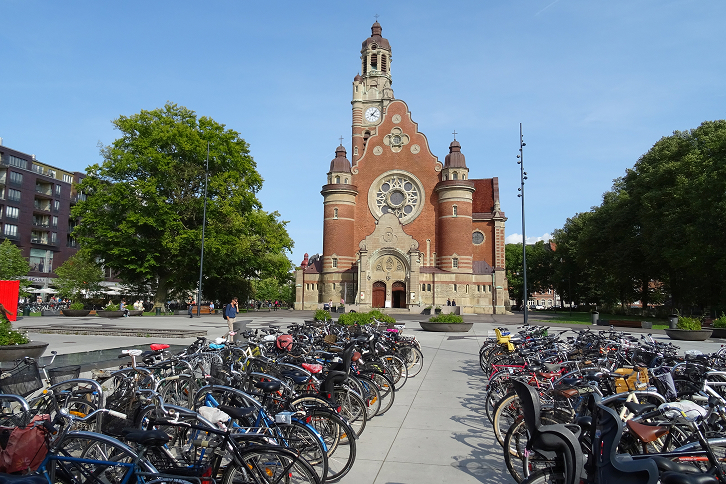
Malmö (Sweden) - Bicycle parking in front of St. Johannes Kyrka (St John's Church), Triangeln, Malmö
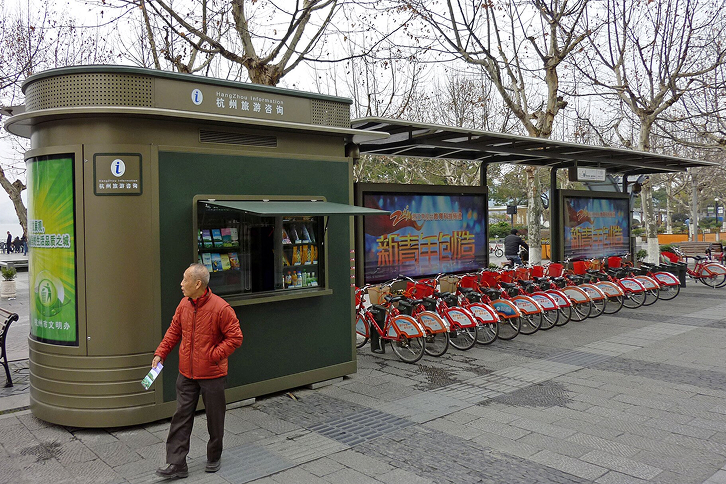
Hangzhou (China) - Public bike-share station in Hangzhou
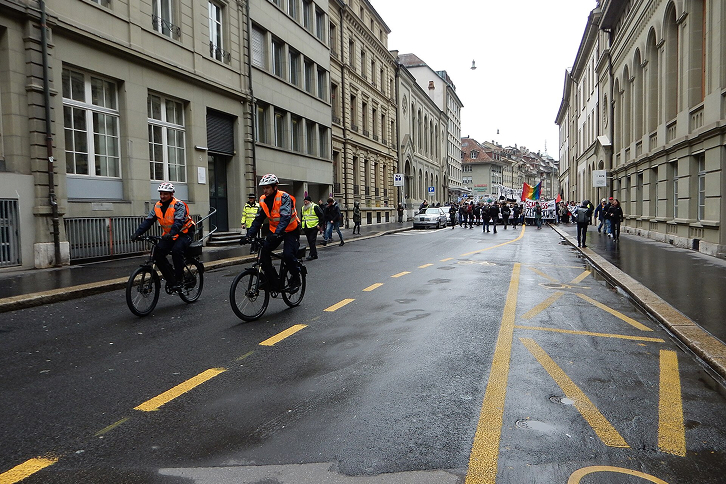
Bern (Switzerland) - Climate protest in Bern and police officers on bicycles
E-bikes and sustainable mobility
Electric bikes have become an efficient alternative for many everyday journeys, particularly in urban areas. Thanks to pedal assistance they allow riders to cover longer distances with less effort and make journeys such as commuting to work, shopping, travelling to educational institutions or connecting with other forms of public transport easier. They are also a suitable option for medium-distance journeys where a private vehicle can be replaced by a lighter and more efficient mode of transport.
As well as helping to reduce emissions associated with travel, the responsible use of an electric bike involves looking after its components and extending its useful life. Proper battery maintenance, the correct use of charging systems and the repair or reuse of parts where possible help to reduce its environmental impact throughout its entire life cycle.
Iberdrola and the drive towards electric mobility
At Iberdrola we are committed to electrification as one of the key drivers for moving towards a more sustainable energy model and reducing emissions associated with sectors such as transport. Electric mobility forms part of this transformation by enabling the gradual replacement of fossil fuels with electricity-based solutions, particularly when the electricity comes from renewable sources.
To make this transition possible it is essential to have an infrastructure network equipped to meet new mobility needs. We are therefore driving the development of electric charging solutions that facilitate the use of electric vehicles by individuals, businesses and public authorities, helping to create a more connected, efficient and accessible transport ecosystem.
Sustainable mobility requires a combination of different solutions tailored to each need: from electric vehicles for longer journeys to public transport, e-bikes and other micromobility alternatives for urban journeys. This combination, together with more efficient urban planning, enables progress towards cleaner transport systems that are geared towards people's needs.