


Advantages of the electric car
Why should I buy an electric car?
Although the growth of electric cars has accelerated year after year, some people are still unaware of all the advantages they offer over conventional vehicles. Cost savings and zero emissions are among the most popular reasons for choosing this sustainable alternative to internal combustion engine cars. It is technology that is no longer the future of mobility, but is becoming firmly established in the present.
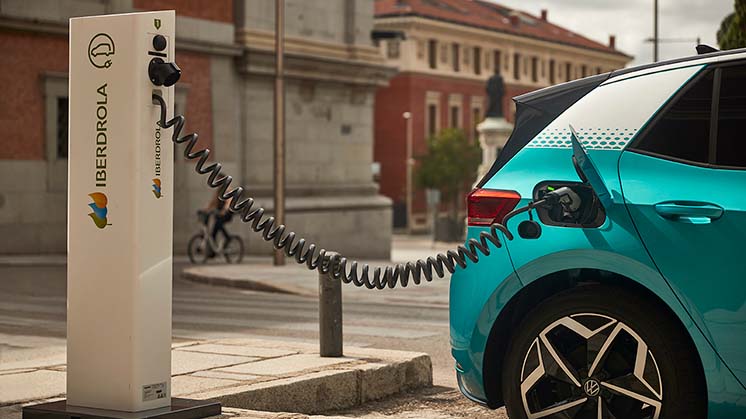
Electric cars continue to gain prominence around the world, and their growth reflects an increasingly evident shift in the way we understand mobility. According to the International Energy Agency (IEA), global electric vehicle sales (including battery electric vehicles, or BEVs, and plug-in hybrid electric vehicles, or PHEVs) increased by 20% in 2025 to more than 20 million units, meaning that one in four new cars sold is now electric.
This growth is driven by a combination of factors that have supported the expansion of electric vehicles. Improved performance and range, a wider variety of models, the gradual reduction in battery costs and the development of a more extensive charging infrastructure have all helped make electric vehicles an increasingly competitive alternative. In addition, measures aimed at reducing transport emissions are accelerating the decision of many users to opt for electric mobility.
According to the World Economic Forum, global electric car sales will reach 6.6 million in 2021, almost double the number of new electric vehicles sold in the previous year. The advantages of the electric car over the combustion car are becoming increasingly clear to the user. This is reflected by the fact that the same number of electric cars are bought in one week today as were sold in the whole of 2012, a key year in which the nascent electric vehicle (EV) market began to gain momentum.
Factors such as accelerating climate change and the global commitments made to achieve the net-zero goal are key drivers in the global shift towards zero-emission driving. While adverse circumstances such as the COVID-19 economic crisis have negatively affected the market for petrol and diesel cars, demand for electric cars continues to increase.
Below we highlight seven advantages of the electric car over the traditional car, interesting to take into account when planning our transport habits and considering making the leap to electric mobility.
 Zero emissions
The most obvious advantage is that electric cars do not need to burn fossil fuels to operate and therefore produce no direct carbon dioxide emissions. As they do not rely on a combustion engine, they do not require an exhaust pipe to release the gases and particles produced by combustion. As a result, electric cars leave no trail of pollution behind them and do not emit smoke of any kind.
While it is true that manufacturing a fully electric car – including the extraction of the materials required and the production of lithium-ion batteries – generates a larger carbon footprint than manufacturing a conventional car, these emissions are quickly offset during the vehicle's use phase. Based on the European Union's electricity generation mix, these emissions are offset between approximately 17,000 and 80,000 kilometres. However, it is important to note that this reference depends on the electricity mix, battery size and type of vehicle being replaced. In any case, the more an electric car is used, the more emissions are avoided compared with the previous vehicle.
The move towards low-emission mobility is one of the major attractions for today's environmentally conscious consumers who value the use of clean energy consumers, as well as a key attribute for the Paris Agreement signatory countries to promote electromobility —in line with their commitment to reduce greenhouse gas emissions to net zero by 2050.
 Electric car savings
Electric motors, unlike internal combustion engines, benefit from a very high energy efficiency —typically around 90-95 %, compared to 20-35 % for the most modern combustion engines on the market. If the electric car consumes approximately one third less energy to drive 100 kilometres than a conventional car, this translates into a significantly lower cost per kilometre and consequent economic savings.
In addition to their intrinsic energy efficiency, electric cars today benefit from numerous tariffs and special schemes to enable users to integrate the charging of their electric cars into their household electricity costs in a simple and sustainable way. This makes them easier to monetise in the medium term compared to combustion engine cars.
 Smart charging and renewable energy
Electric cars allow charging to be managed more flexibly and efficiently at home. Users can schedule when they want their vehicle to be ready and adapt charging to their daily needs. This smart management – which can be done, for example, through Iberdrola España's Smart Charging Plan – allows users to check information about their charging sessions and consumption through the app. This helps optimise electricity use and, when powered by 100% renewable energy, allows users to take advantage of a more sustainable energy source for their journeys, making charging part of more efficient household energy management.



 Easy maintenance
Another benefit of electric vehicles is that they have very low maintenance costs, as no oil, filter or coolant changes are required for the operation of the electric motor. A routine check of the brakes, tyres, dust and pollen filters —common to all vehicles— as well as a periodic check of the condition of the batteries would be enough to keep everything under control.
 Fewer mechanical breakdowns
As they do not have a combustion engine or a gearbox with a clutch, electric cars have far fewer moving components exposed to wear and tear, reducing the likelihood of mechanical breakdowns. You can forget about common concerns such as checking the condition of the timing belt every time you set off on a journey.
 Tax advantages of the electric car
Another factor encouraging buyers to invest in electric cars is their tax advantages. These vary depending on the country and even the region, state or municipality, but they generally involve significant reductions in vehicle-related taxes to encourage sustainable mobility.
In Spain, for example, buyers of electric vehicles can benefit from programmes such as the MOVES Plan, which provides direct incentives for purchasing electrified vehicles and installing charging points, as well as tax advantages such as discounts on the Tax on Mechanical Traction Vehicles (IVTM), the conditions of which depend on individual municipalities and can be as high as 75%. There are also tax deductions for individuals and businesses on certain investments related to electric mobility.
In other European countries, governments have also introduced various support schemes. France, for example, combines purchase incentives with emissions-based incentive schemes, while countries such as Norway have maintained tax advantages for years that have helped make electric vehicles the most widely registered type of vehicle.
Beyond Europe, other regions have also developed policies to promote the electrification of transport. In the United States, buyers of certain new electric vehicles can access federal tax credits of up to $7,500, along with additional incentives in some states, while China has promoted electric vehicle adoption through tax exemptions, purchase incentives and support for the development of an extensive charging network.
 A car for the city
Electric cars are no longer the future of road transport, but the present. Their zero-emission status is a major advantage when it comes to accessing areas where traffic is restricted in urban centres, finding dedicated – and in many cases free – regulated parking spaces in busy neighbourhoods or entering cities even when anti-pollution protocols are in force.
Another advantage of driving an electric car in the city is the continued expansion of electric vehicle charging stations. As they do not require large underground tanks to hold thousands of litres of fuel, these so-called "electric charging stations" are ready to conveniently serve where they are most needed.
 Maximum comfort
The very experience of driving or travelling in an electric car has attractive advantages or improvements over the traditional experience. The elimination of the combustion engine is perceived in the provision of more living space, the reduction of noise and the absence of vibrations, heating or possible odours. A comfort of use that helps the well-being and enjoyment of all passengers, especially people sensitive to strong sensory stimuli who tend to get dizzy, as well as children and pets.
Advantages of electric vehicles
Every day there are more and more electric vehicles on our roads, whether they are cars, motorbikes, buses or trucks. But what are their main advantages?

Zero emissions
Electrically powered vehicles do not need to burn fossil fuels and produce no direct carbon dioxide emissions.

Significant savings
Unlike internal combustion engines, electric engines are highly energy efficient, which translates into significantly lower cost per kilometre and consequent cost savings.

Low maintenance
This type of vehicle has very low maintenance costs, as the electric engine does not require oil, filters or coolant to be changed, among others.

Fewer breakdowns
Electric vehicles do not have an engine or other associated components, so they have far fewer components subject to wear and tear.

Economic incentives and tax benefits
Electric vehicle users benefit from grants for the purchase of this type of vehicle, as well as lower taxation compared to combustion vehicles.

Maximum comfort
Not having a combustion engine enables a better layout with more space, less noise and no vibrations, heating or possible odours.

Ideal for the city
Electric vehicle drivers are finding it increasingly easier to drive electric vehicles in cities, as many cities offer discounts on parking fees and the use of chargers in public places. In addition, dedicated spaces are reserved for this type of vehicle.
Source: Massachusetts Clean Energy Center, U.S. Department of Energy.

Electric cars, which are becoming increasingly common on our roads, offer a number of advantages that make them a sustainable mobility alternative. These vehicles run on electricity and do not need to burn fossil fuels, meaning they produce no direct carbon dioxide emissions. Their motors help reduce charging costs because of their high efficiency, resulting in a lower cost per kilometre. They also require less maintenance, as electric motors do not require oil, filter or coolant changes, for example.
They can also help minimise breakdowns because they do not have a combustion engine or other components as exposed to wear and tear. In many countries, users who opt for electric vehicles benefit from purchase incentives and subsidies, as well as lower taxes compared with combustion-engine vehicles. In addition, these cars offer maximum comfort by eliminating the combustion engine and providing passengers with more interior space, reduced noise and no vibrations, heat or unpleasant odours. All in all, an electric vehicle is ideal for urban environments, where charging infrastructure and dedicated parking spaces are becoming increasingly available.
Iberdrola: key to electrifying mobility
Electric mobility has become essential to transforming the transport model, reducing emissions associated with mobility and moving towards a more efficient and sustainable energy system. Against this backdrop, Iberdrola is driving the electrification of transport through a global strategy that integrates the development of charging infrastructure, technological innovation and the supply of renewable energy, making it easier for more users and businesses to opt for electric mobility solutions.
Across the Group's international operations, we are working to create a connected electric ecosystem that covers everything from home charging to the needs of businesses, professional fleets and public transport. This commitment responds to the challenge of progressively replacing fossil fuels with clean electricity, harnessing the potential of renewable energy and smart grids. Through continued investment in infrastructure and new solutions, we are helping electric mobility develop as an efficient, competitive alternative that is adapted to today's and tomorrow's challenges.