


Electrical infrastructure
What is electrical infrastructure?
Electrical network Renewable energy
Electrical infrastructure is the foundation of modern society. It enables electricity to be generated, transmitted and distributed safely and efficiently to homes, businesses and industries. As the world moves towards a more electrified, low-carbon economy, investment in modern electrical infrastructure is becoming increasingly important. Governments, businesses and network operators around the world are expanding and modernising electricity networks to build a cleaner, more resilient energy system.

Electrical infrastructure encompasses all the physical and digital assets required to generate, transmit, distribute, monitor and manage electricity. As the transition towards a cleaner and more sustainable energy model progresses, electrical infrastructure must continue to evolve to support a more decentralised, flexible and resilient electricity system. Modern electricity networks are designed to manage two-way electricity flows, integrate variable renewable generation and enable consumers to play an increasingly active role in the energy system.
Traditionally, these systems were based on a centralised generation model, in which large power stations produced most of the electricity consumed across a region. Electricity was then transmittedover long distances through high-voltage transmission lines before passing through substations and transformers, where the voltage was reduced for safe distribution to homes, businesses, factories, schools and hospitals.
Over recent decades, however, electrical infrastructure has evolved into an increasingly digital and interconnected system capable of integrating growing numbers of renewable energy installations. Wind farms, solar photovoltaic plants and residential self-consumption systems now generate electricity across a much wider geographical area, while an increasing number of consumers produce electricity for their own use and export surplus power back to the network.
The main components of electrical infrastructure
The main components of electrical infrastructure include:
-

Electricity generation
Generation facilities produce electricity before it reaches consumers. Today, the electricity system combines a range of generation technologies, including onshore and offshore wind farms, solar photovoltaic plants, hydropower stations, nuclear power plants and thermal power stations. The growing share of renewable energy is helping to reduce emissions from the electricity system and advance the transition towards a more sustainable energy model.
-

Transmission infrastructure
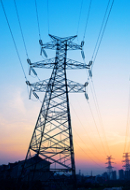
Transmission infrastructure transports electricity over long distances from generation facilities to areas where it is needed. High-voltage transmission lines, including overhead and underground cables, are used to move large amounts of electricity efficiently while minimising energy losses. Transmission networks also include substations and interconnections between regions and countries, which help improve the reliability and flexibility of the electricity system.
-

Distribution infrastructure
Distribution networks are responsible for delivering electricity from transmission networks to end users, including homes, businesses and industrial facilities. These networks operate at lower voltages and include medium- and low-voltage lines, distribution substations and other equipment that ensures electricity reaches consumers safely and reliably.
-

Transformers and substations
Transformers and substations are essential for adapting electricity to different stages of the power system. Transformers increase voltage levels before long-distance transmission and reduce them before electricity enters distribution networks or reaches final consumers. Substations also help control, protect and manage electricity flows, ensuring the stability and efficiency of the network.
-

Smart meters and digital technologies
Digitalisation is transforming electricity infrastructure by enabling real-time monitoring, automation and more efficient management of electricity networks. Smart meters provide detailed information on energy consumption, while sensors, control systems and data analytics tools allow operators to detect problems, optimise network performance and integrate renewable energy more effectively. Digital solutions also enable consumers to shift part of their electricity use to times when electricity is cheaper, which can help reduce their energy bills.
-

Energy storage systems
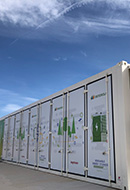
Energy storage is now a key part of modern electrical infrastructure. Technologies such as pumped-storage hydropower and battery systems help balance supply and demand by storing electricity when renewable generation is high and releasing it when additional power is needed. This flexibility is essential for integrating variable renewable energy sources and building a more resilient electricity system.


Why does electrical infrastructure play such a critical role?
Electricity has become essential to almost every aspect of modern life, powering homes, businesses, industries and the digital technologies that underpin today’s economy. As global electricity demand continues to grow, driven by factors such as the electrification of transport, heating and cooling systems, the expansion of artificial intelligence and the rapid growth of data centres, the need for reliable and efficient electricity networks has never been greater.
At the same time, the increasing frequency of extreme weather events highlights the importance of building more resilient infrastructure capable of maintaining a secure electricity supply.
What’s more, as renewable energy deployment continues to accelerate, electricity infrastructure will play an ever-greater role in expanding transmission networks that connect renewable resources such as solar PV projects in the desert or wind turbines out at sea to far-off demand centres such as cities and industrial areas.
Modernising electricity networks through digitalisation, automation and greater flexibility is therefore essential to integrating renewable energy, meeting growing demand and accelerating electrification. According to the International Energy Agency (IEA), around $400 billion is invested in electricity networks worldwide each year, compared with $1 trillion invested in generation assets. Closing this gap will be essential to ensuring security of electricity supply as demand continues to grow.
The shift in model: from centralised to distributed generation
The electricity system is undergoing a profound transformation, moving from a model based on a small number of large, centralised power stations towards one that is far more distributed and flexible. Today’s energy landscape includes renewable generation spread across multiple locations, from onshore and offshore wind farms to solar photovoltaic plants, hydropower stations and battery storage systems.
This shift has also turned many consumers into “prosumers”, with households and businesses using technologies such as rooftop solar panels to generate their own electricity and feed surplus power back into the network. Managing these increasingly complex, bidirectional flows requires smarter, more digital and flexible electricity infrastructure capable of integrating distributed energy resources while maintaining a reliable supply.
Energy efficiency in electrical infrastructure: operational and financial benefits
Modern electrical infrastructure delivers significant operational, economic and environmental benefits. By combining physical assets with digital technologies, today’s electricity networks can operate more efficiently, respond more quickly to changing conditions and support the integration of renewable energy. In 2024, the IEA tracked 1,650 GW of solar and wind projects that were in advanced stages of development but were still awaiting grid connections. Electrical infrastructure is essential to bring these clean, cost-effective generation sources online.
Reducing operating costs with smart grids
Smart grids use automation, sensors and real-time data to improve the management of electricity networks. These technologies enable predictive maintenance, better asset management and faster identification of potential issues, reducing operating costs and improving network performance.
Minimising downtime and losses caused by power outages
Digital monitoring and automated control systems allow network operators to detect and respond to faults more quickly, reducing downtime and improving the quality of electricity supply. Modern infrastructure also strengthens network resilience, helping systems better withstand extreme weather events and other disruptions. The International Energy Agency estimates that outages cost the world’s economy $100 billion a year, which is 0.1% of global GDP.
Optimising energy efficiency across the network
More advanced electricity networks help reduce energy losses during transmission and distribution while enabling more efficient management of supply and demand. This improved flexibility also makes it easier to integrate renewable energy sources and maximise the use of clean electricity.
Sustainability and environmental benefits of modernising electrical infrastructure
Modern electrical infrastructure not only improves the efficiency and reliability of the electricity system, but also delivers significant environmental benefits. Smarter, more resilient networks are essential to supporting the transition towards a cleaner and more sustainable energy model.
Reducing carbon emissions and supporting climate goals.
By enabling the replacement of fossil fuels with renewable electricity, modern electricity networks play a key role in reducing greenhouse gas emissions and advancing decarbonisation. Investment in infrastructure helps countries meet climate targets and supports the electrification of sectors such as transport, buildings and industry.
Minimizing environmental impact through smarter infrastructure.
The modernisation of electrical infrastructure also focuses on reducing its environmental footprint. Better planning, more efficient land use, underground cabling where appropriate, biodiversity protection measures and engagement with local communities all help ensure that network development is carried out in a responsible and sustainable way.


Technical challenges in consolidating a sustainable energy model
The transition towards a cleaner and more electrified energy system requires electricity networks to become more flexible, intelligent and resilient. As renewable energy generation grows, networks must adapt to manage the variability of sources such as wind and solar, while ensuring a stable and reliable electricity supply.
Meeting these challenges requires continued investment in energy storage solutions, digitalisation and advanced grid management technologies. At the same time, modernising ageing infrastructure and strengthening cybersecurity are essential to ensure electricity networks can respond to new demands and potential risks.
Through innovation, technological development and investment, the energy sector is addressing these challenges and building the smarter, more flexible electricity infrastructure needed for the ongoing energy transition.
Iberdrola's role in building the electrical infrastructure of the future
Electrification is unstoppable, which is why at Iberdrola we are playing a leading role in the transformation of electricity networks, investing in the modern, digital and resilient infrastructure required to accelerate this process. Through the expansion and modernisation of our networks, we are developing smarter electricity systems capable of integrating more renewable energy, improving reliability and meeting the growing demand for electricity from homes, businesses and industries.
Electricity networks are a strategic priority within Iberdrola’s Strategic Plan 2025-2028, which includes €37 billion in investment in networks up to 2028. This investment will focus on expanding and strengthening distribution and transmission infrastructure, increasing digitalisation through technologies such as smart grids, automation and digital substations, and improving network resilience. These initiatives will enable the connection of new renewable generation, support energy storage solutions and facilitate the electrification of sectors across the economy.
By combining this kind of infrastructure investment with innovation and advanced technologies, Iberdrola is helping shape the electricity networks of the future: more flexible, efficient and sustainable systems capable of responding to the challenges of a changing energy landscape.
As electricity demand continues to grow, modern electrical infrastructure will become increasingly important to ensuring a secure, reliable and sustainable energy supply. By expanding and digitalising electricity networks, integrating renewable energy and supporting electrification across every sector of the economy, electrical infrastructure will remain one of the foundations of the global energy transition.