Electricity is generated from a local resource such as sunlight, wind, water or biomass
Electrical network Energy storage Renewable energy
The energy sector is undergoing a profound transformation. For decades, electricity was generated primarily at large power stations and transported over long distances through transmission and distribution networks before reaching consumers. Today, technological advances, renewable energy and digitalisation are making it possible to generate electricity much closer to where it is consumed. This model, known as distributed generation, is becoming an increasingly important part of modern energy systems.

Combining renewable energy, energy storage systems and smart grids, distributed generation improves efficiency, increases resilience and supports a more sustainable energy system. From rooftop solar panels to batteries and electric vehicles capable of interacting with the network, distributed generation is transforming the way electricity is produced, managed and consumed.
Distributed generation refers to the production of electricity through small-scale facilities located close to the point of consumption. Unlike traditional generation, which relies on large centralised power stations, this model is based in local communities, businesses, industrial facilities and even homes.
Most distributed generation systems use renewable technologies such as solar photovoltaic and wind power, although they may also include biomass, combined heat and power (CHP) and energy storage systems.
Its main characteristic is its proximity to consumption, reducing electricity transmission losses and improving the overall efficiency of the system.
Distributed generation is closely linked to self-consumption, allowing users to generate some of the energy they consume while also being able to feed surplus electricity back into the electricity network.
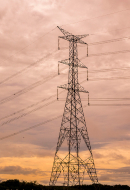
Traditionally, electricity systems have been based on centralised generation. In this model, large power stations – such as hydroelectric facilities, combined cycle power plants, nuclear power stations or large renewable energy projects – generate electricity, which is then transmitted through transmission and distribution networks to end users.
Distributed generation takes a different approach. Rather than concentrating production in a small number of large facilities, electricity is generated through many smaller installations spread across different locations.
Both models offer significant advantages. Centralised generation provides large-scale electricity production capable of meeting substantial demand, while distributed generation improves flexibility, efficiency and resilience at the local level.
Rather than replacing one another, distributed and centralised generation increasingly work together to create a more balanced and efficient energy system. Large-scale renewable energy projects continue to supply significant volumes of clean electricity, while distributed generation enables consumers and communities to play a more active role in energy production.
The operation of distributed generation is relatively straightforward: electricity is generated close to where it is consumed, reducing the need for long-distance transmission.


Local resources
Energy is converted into electricity
Electricity is consumed by homes, businesses or industrial facilities
Stored in batteries or fed into the electricity network
Electricity can also be supplied by the electricity network
The distributed generation process
Electricity is generated from a local resource such as sunlight, wind, water or biomass

The energy is converted into electricity using the appropriate technology

The electricity is consumed locally by homes, businesses or industrial facilities

Any surplus electricity can be stored in batteries or fed back into the electricity network

When local generation is insufficient, electricity can be supplied from the network
1 of 5
 SEE INFOGRAPHIC: What is distributed generation? [PDF]
Modern distributed generation systems are increasingly connected through digital technologies that enable electricity flows to be monitored and managed in real time.
Smart grids play a fundamental role in this process. Unlike traditional electricity networks, smart grids can integrate millions of distributed energy resources, coordinate two-way electricity flows and optimise supply and demand. This creates a more flexible and efficient system capable of integrating increasing volumes of renewable generation.
One of the most significant developments in this model is the emergence of the "prosumer". The term combines "producer" and "consumer" and refers to users who can both generate and consume electricity.
For example, a household with solar panels can use part of its own generation while feeding surplus electricity back into the network. Businesses with energy storage systems can also manage their energy demand more effectively.
The role of the prosumer within the energy system includes:
As distributed generation continues to expand, prosumers are expected to play an increasingly important role in the energy systems of the future.
Distributed generation can also be developed collectively through energy communities, where groups of citizens, businesses or local organisations jointly produce, consume and manage renewable electricity. These initiatives are helping to broaden access to clean energy and encourage greater participation in the energy transition.
Distributed generation encompasses a wide range of technologies that can be adapted to different environments and energy needs.

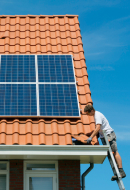
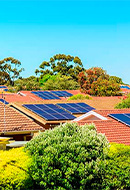
Solar photovoltaic systems are the most widespread form of distributed generation worldwide. Solar panels can be installed on rooftops, commercial buildings, industrial facilities and community energy projects, converting sunlight directly into electricity. Their scalability, falling costs and ease of installation have made solar power one of the main drivers of distributed generation growth.

Small-scale wind turbines can also be used for distributed generation, particularly in rural areas and locations with favourable wind resources. Although less common than solar installations, distributed wind systems can provide reliable renewable electricity to homes, farms and businesses.

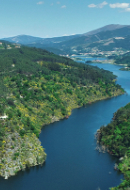
Small-scale hydropower systems generate electricity by harnessing the flow of rivers or streams. These facilities are typically much smaller than conventional hydroelectric power stations and can supply clean electricity to remote communities or individual sites. However, their relatively high costs and specific site requirements make them less common than other forms of distributed generation.

Biomass and biogas technologies generate electricity from organic materials, agricultural waste, forestry residues and organic waste streams. By converting waste into energy, these technologies contribute both to renewable electricity generation and to the circular economy.

Combined heat and power (CHP), also known as cogeneration, simultaneously produces electricity and useful heat from a single energy source. By making use of heat that would otherwise be wasted, CHP can achieve higher efficiency levels than conventional electricity generation.

Although batteries do not generate electricity themselves, they are becoming an essential component of distributed generation systems. Battery storage enables surplus renewable energy to be stored for use when generation falls or demand increases. This improves flexibility and helps balance the electricity system.

Electric vehicles can become a key part of distributed generation ecosystems through Vehicle-to-Grid (V2G) technology. V2G systems allow electric vehicle batteries not only to be charged from the network but also to return electricity when required. In the future, millions of connected electric vehicles could operate as a vast distributed energy resource, helping to support network stability and integrate renewable energy.
Distributed generation offers benefits for consumers, electricity networks and society as a whole.

Greater energy efficiency.
Generating electricity close to where it is consumed reduces transmission and distribution losses, making more efficient use of the energy produced.

Greater network resilience.
A network supported by multiple distributed generation sources is generally more resilient than one that relies solely on large centralised facilities. Local generation can help maintain electricity supply during outages or periods of high demand.

Greater integration of renewable energy.
Distributed generation facilitates the deployment of renewable technologies such as solar and wind power, helping to reduce greenhouse gas emissions and accelerate decarbonisation.

Lower energy costs.
Self-consumption can reduce electricity bills for households and businesses by allowing them to generate part of the energy they need.

Greater consumer participation.
Distributed generation enables consumers to play a more active role in the energy system, turning them into active participants rather than passive recipients of electricity.

Support for local economies.
The installation, operation and maintenance of distributed generation facilities can create jobs and stimulate local economic activity.

Progress towards a decentralised energy system.
Distributed generation contributes to a more flexible and decentralised electricity model capable of adapting to changing energy needs and supporting future electrification.
Distributed generation is becoming increasingly important in modern electricity systems, and energy companies play a key role in its development. In addition to generating renewable energy, they are investing in the infrastructure and technologies needed to integrate millions of distributed energy resources into the network.
As a global leader in renewable energy, Iberdrola is contributing to this transition through investments in smart grids, digital technologies and renewable energy projects. Smart grids enable two-way electricity flows, allowing consumers not only to receive electricity but also to supply the energy they generate through solar panels, batteries and other distributed resources.
Iberdrola also promotes self-consumption, energy storage and electric mobility solutions that help manage energy consumption more efficiently while supporting a more flexible and sustainable electricity system.
The expansion of distributed generation depends largely on regulatory frameworks that facilitate the integration of distributed energy resources into electricity systems. In many countries, policies supporting self-consumption, renewable energy and energy storage have helped accelerate its adoption.
Although approaches vary from one market to another, regions such as Europe, North America and Australia have developed regulations that encourage greater participation by households, businesses and communities in electricity generation and management. Spain is one example where measures supporting self-consumption have driven significant growth in distributed generation in recent years.
International organisations such as theInternational Energy Agency (IEA) highlight the role of distributed generation in advancing more flexible, resilient and sustainable energy systems. As deployment continues to grow, regulation will remain a key factor in unlocking its benefits while ensuring the stability of electricity networks.
Distributed generation is set to play an increasingly important role in shaping a cleaner and more sustainable energy model. Falling technology costs, advances in battery storage and the digitalisation of electricity networks are driving its growth worldwide.
At the same time, technologies such as artificial intelligence, smart grids and virtual power plants are making it easier to integrate and manage millions of distributed energy resources, improving the efficiency and responsiveness of electricity systems.
As these solutions continue to evolve, distributed generation will become an increasingly valuable complement to large-scale renewable generation, helping to build more resilient, efficient and sustainable electricity systems.