
















-
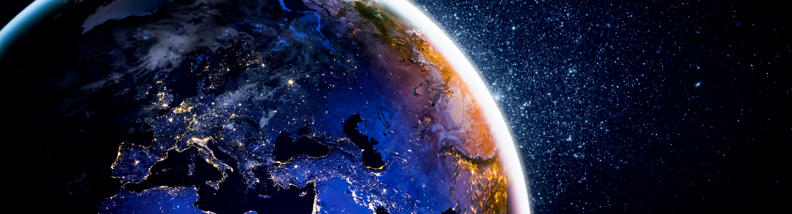
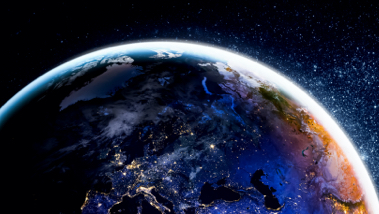
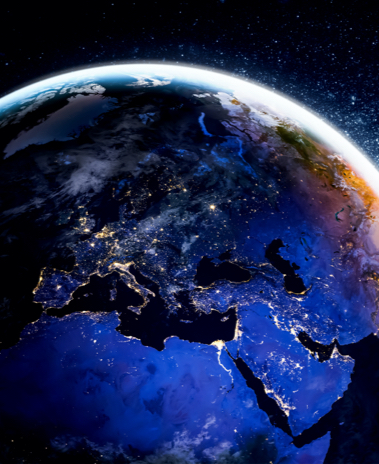
Since the beginning of the space era in 1957, tons of rockets, space ships and satellites have been launched into space and, at least initially, no one foresaw what to do with them at the end of their useful life. The European Space Agency (ESA) estimates that there are some 900,000 objects over one centimetre in size that have no use orbiting the Earth. This fact, according to the UN, endangers future missions and even terrestrial communications.
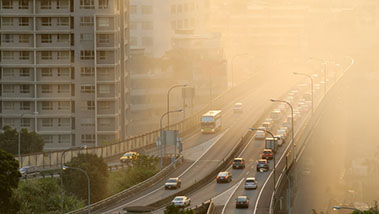
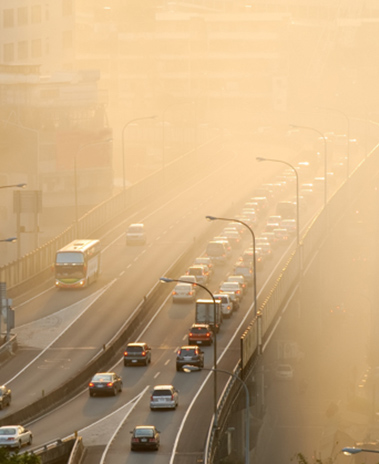
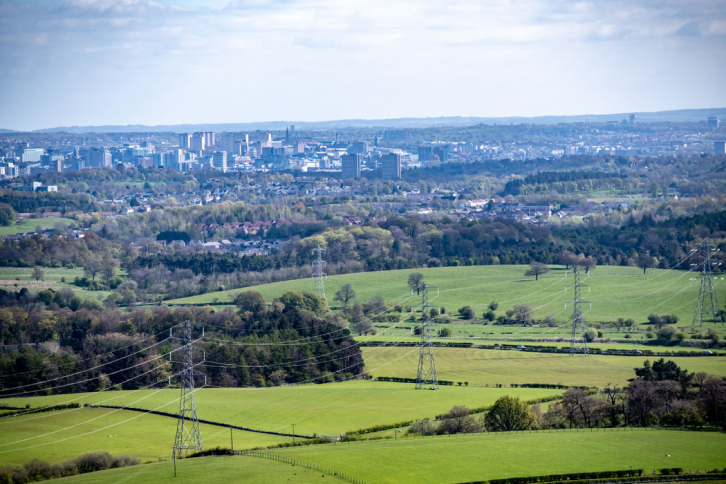
Why is it hotter in a large city than in a village just a few kilometres away? The answer lies in what are known as heat islands.
-
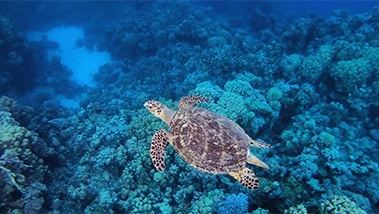
After centuries of research, the species that populate the Earth are well known, at least those that are within our reach. Because there are others, present in remote and practically inaccessible places, which are largely unknown. These include those found in the deep sea. Below, we take a closer look at the abyssal creatures that inhabits the seas and oceans of our planet.
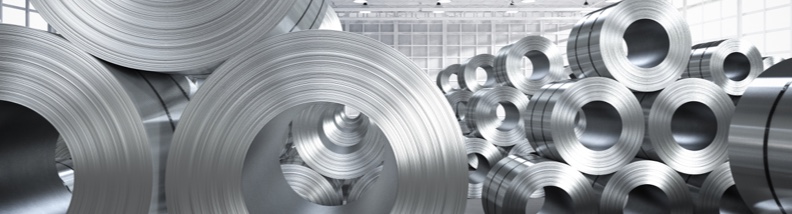
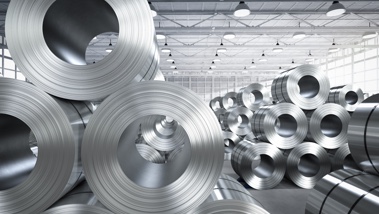
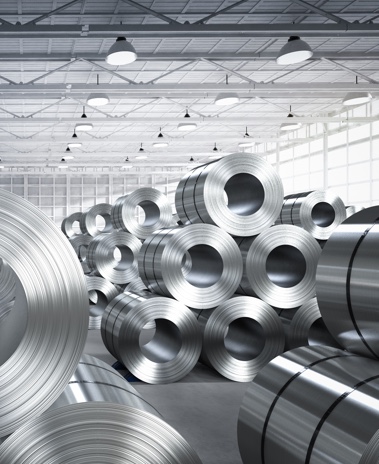
The steel industry is responsible for 8 % of the CO2 emissions caused by mankind worldwide. For this reason urgent action is needed to initiate a decarbonisation process which also has the potential to be a massive economic opportunity. Iberdrola is committed to creating a more sustainable world and is already working on projects designed to minimise its impact with major players in the steel sector.
-
 Facebook Green steel: a material ready for industrial decarbonisation and widening the horizons of electrification
-
 Twitter Green steel: a material ready for industrial decarbonisation and widening the horizons of electrification
-
 Linkedin Green steel: a material ready for industrial decarbonisation and widening the horizons of electrification
-
 Whatsapp
-
-
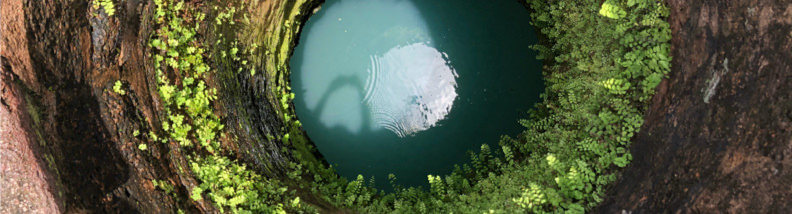
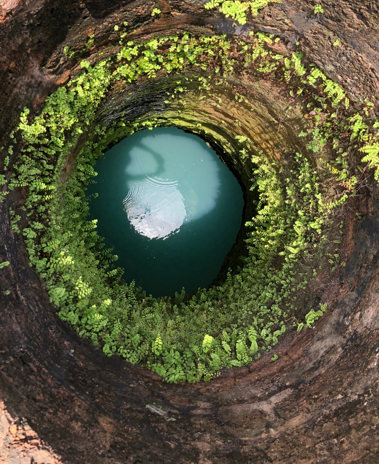
Groundwater is the natural water stored beneath the Earth's surface and it is essential because it supplies a third of the world's population. As with other of our planet's elements, it also finds itself under threat from contamination. In fact, a recent study undertaken at the Albert-Ludwigs University in Freiburg (Germany) warns this threat could be greater than at first thought.
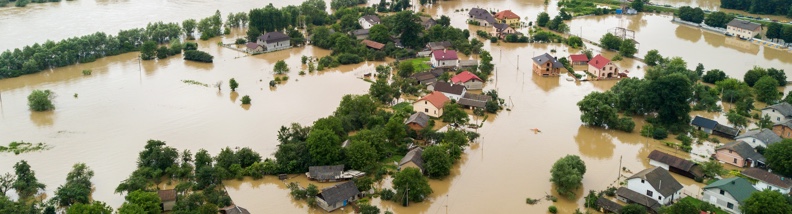
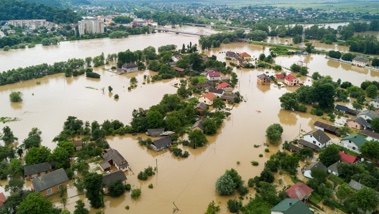
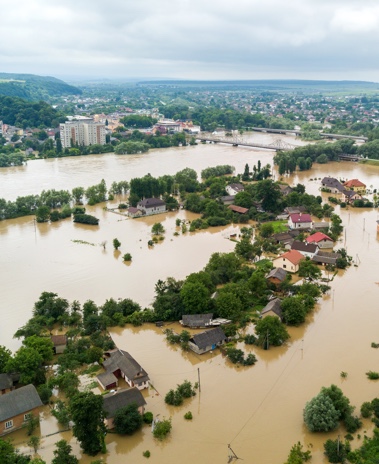
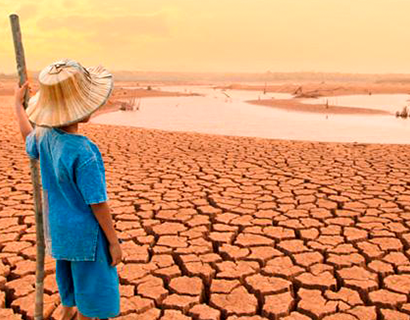
In recent decades, extreme weather events have become more frequent, intense and prolonged across many regions of the world. According to the Intergovernmental Panel on Climate Change (IPCC), human-induced global warming is increasing the likelihood of extreme events such as heatwaves, droughts, torrential rainfall and tropical cyclones.
-


¿Cada cuánto tiempo cambias de móvil? ¿Y de ordenador? ¿Y de televisor? Seguramente ese tiempo haya ido acortándose en los últimos años debido, en gran medida, a la obsolescencia programada. Un fenómeno que no se refiere solo al hecho de que un objeto tecnológico deje de funcionar, sino también a que surja uno mejor o, directamente, a que pase de moda. La consecuencia es que la basura tecnológica no deja de aumentar y amenaza al medio ambiente.
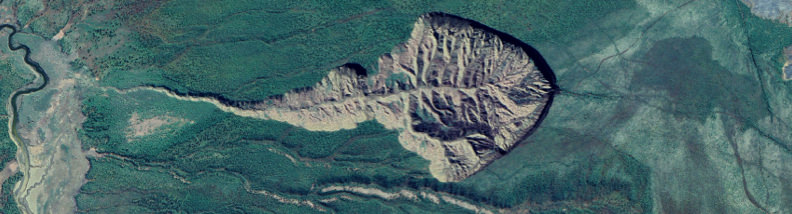
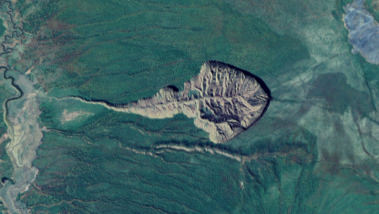
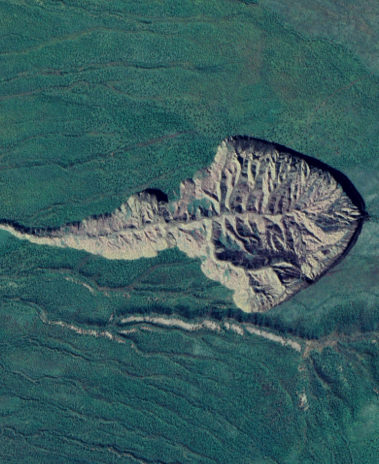
You may not know what permafrost is, but its melting, which is advancing due to climate change and has reached a critical point, could have serious consequences for your future. This permanently frozen ground, located in circumpolar areas in Canada, Alaska, Siberia and elsewhere, has acted as a carbon sink for thousands of years and if it thaws it could release large amounts of this gas, amplifying the problem of global warming.