










-
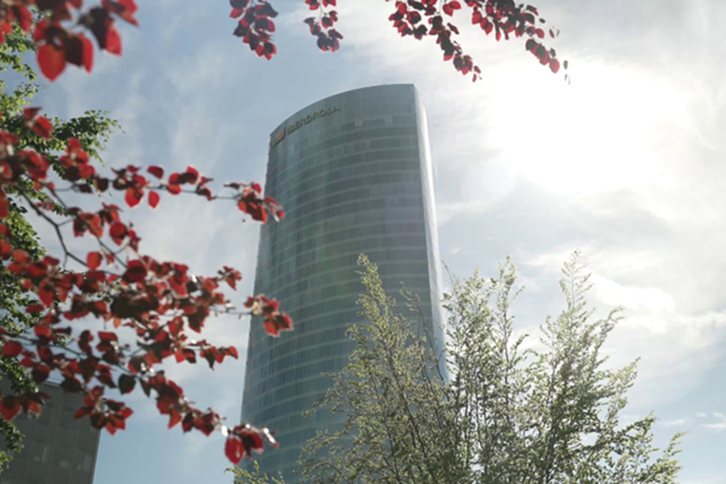
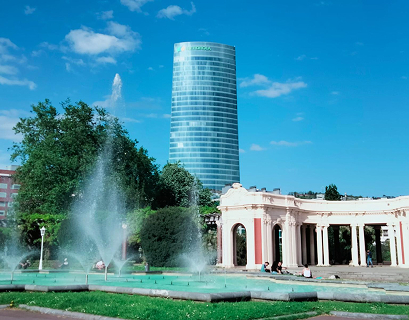
People and their wellbeing are the essence of the Iberdrola brand. We are a great team working together to bring energy to millions of people and we care deeply about the future of the world we live in. That is why we offer energy solutions that are increasingly clean, environmentally friendly, efficient and innovative.
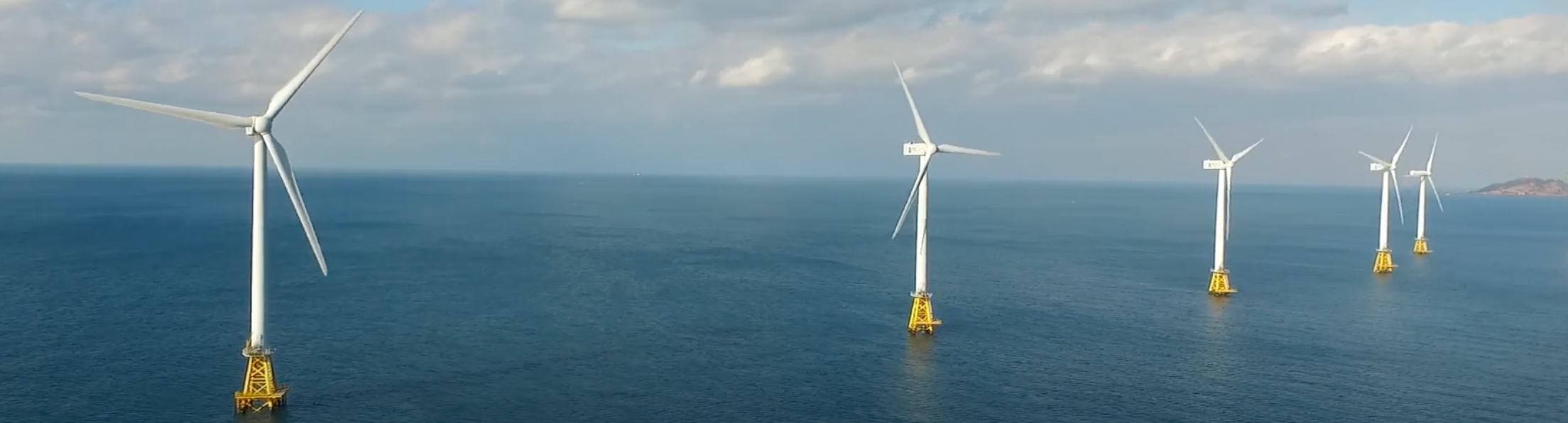
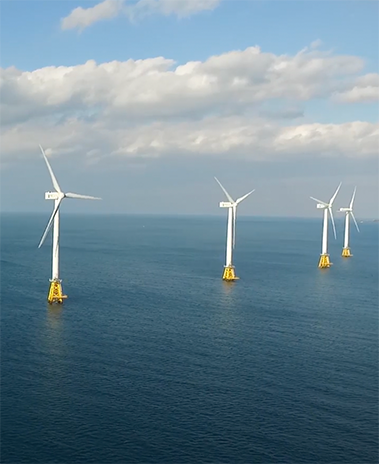
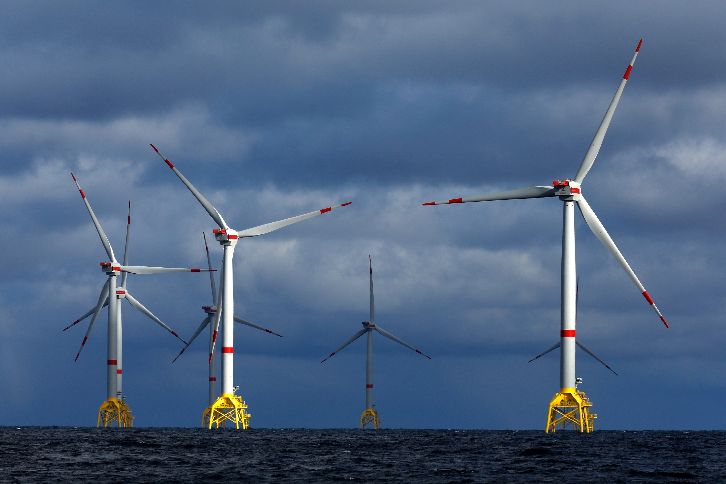
Iberdrola is leading the development of offshore wind power in the United States with the takeover of Vineyard Wind 1, which with a capacity of 800 megawatts (MW) will become the largest offshore wind farm in the United States and whose development will boost local employment.
-
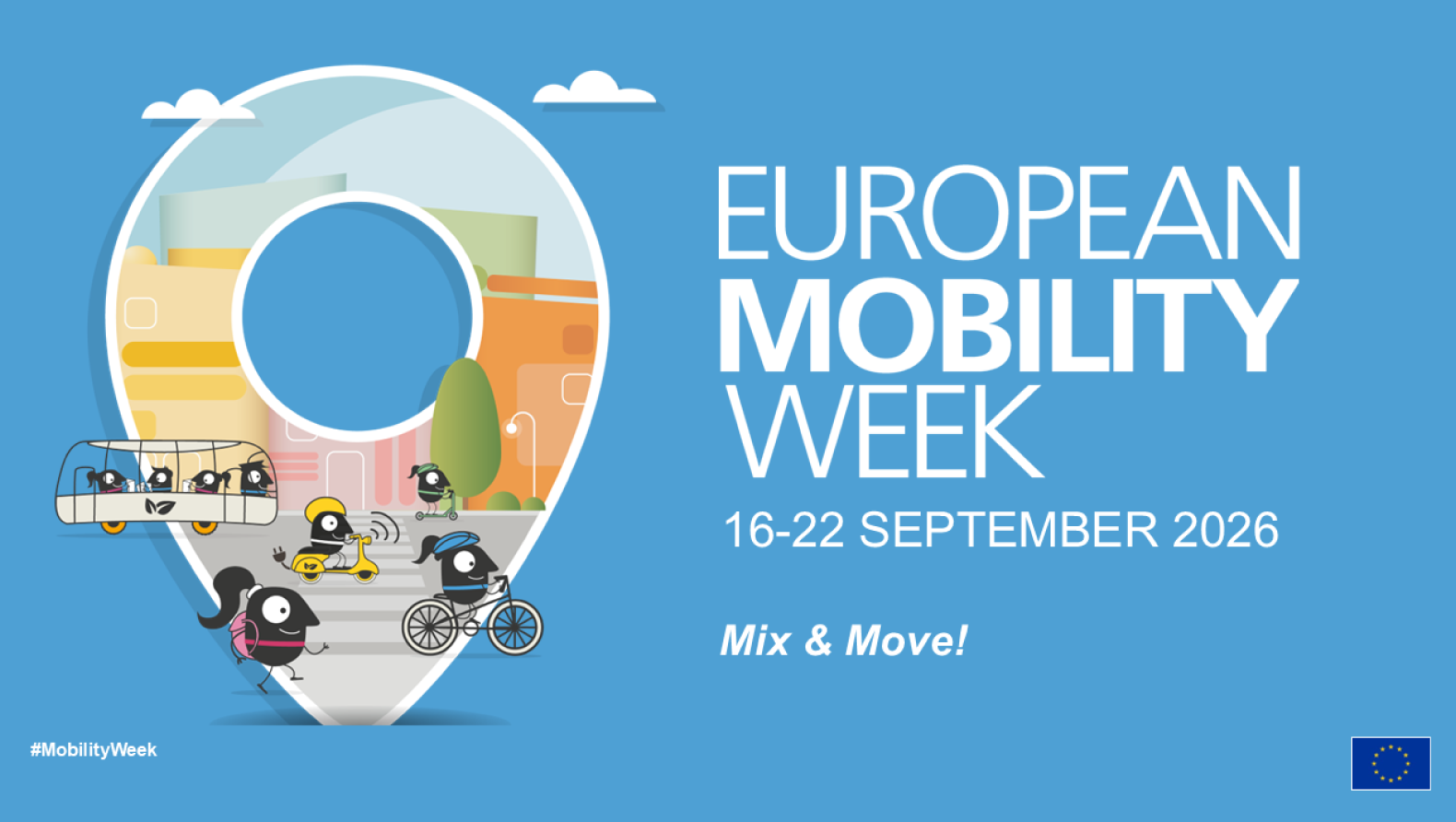
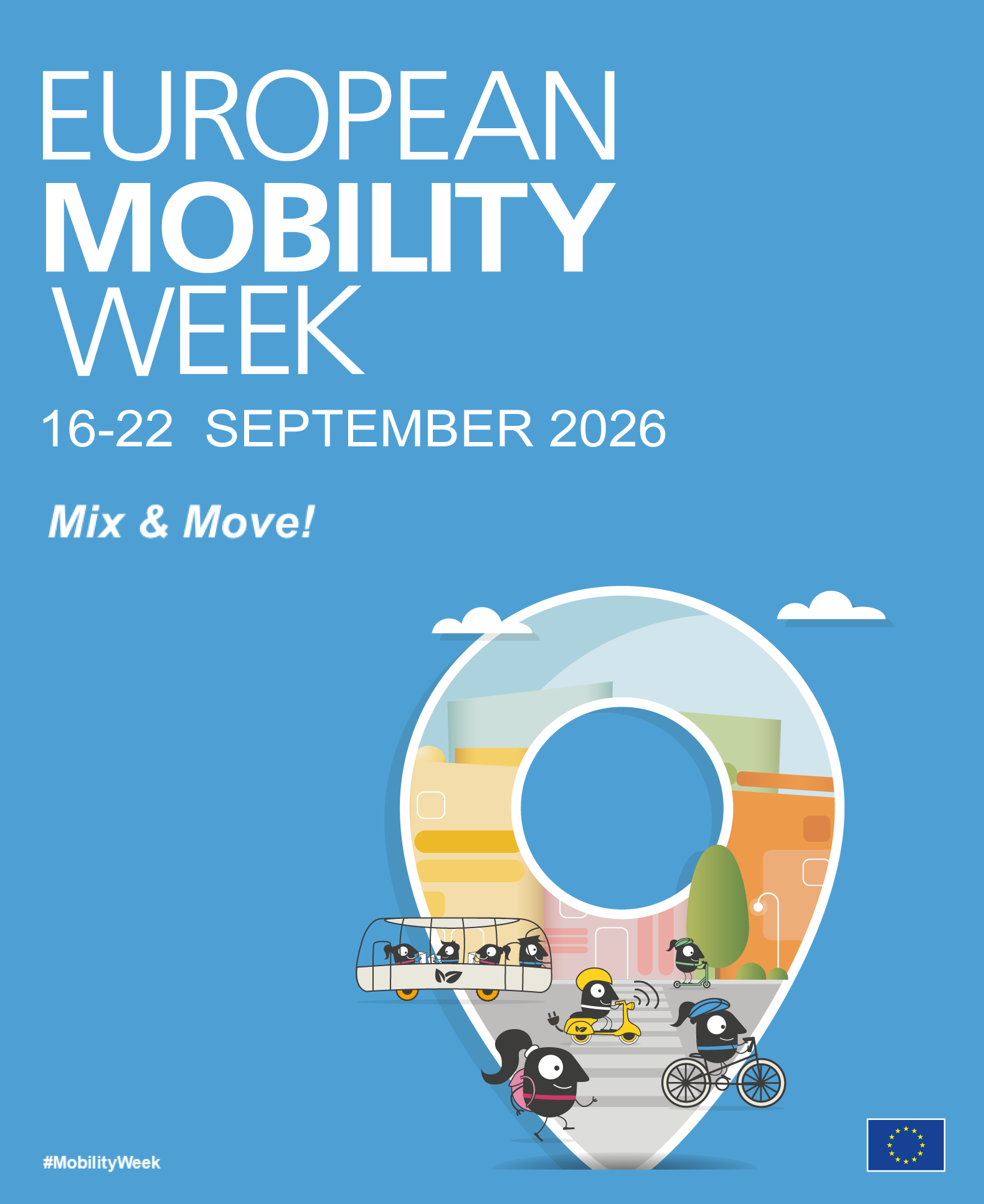
European Mobility Week is an initiative promoted by the European Commission to encourage more sustainable, safe and efficient forms of transport in cities
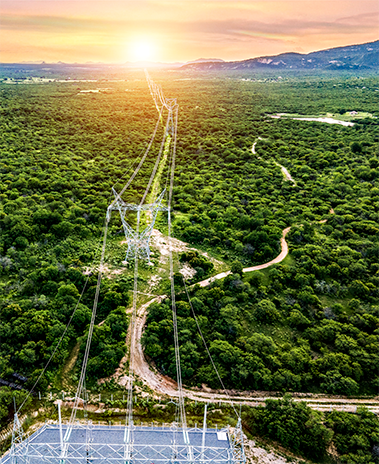
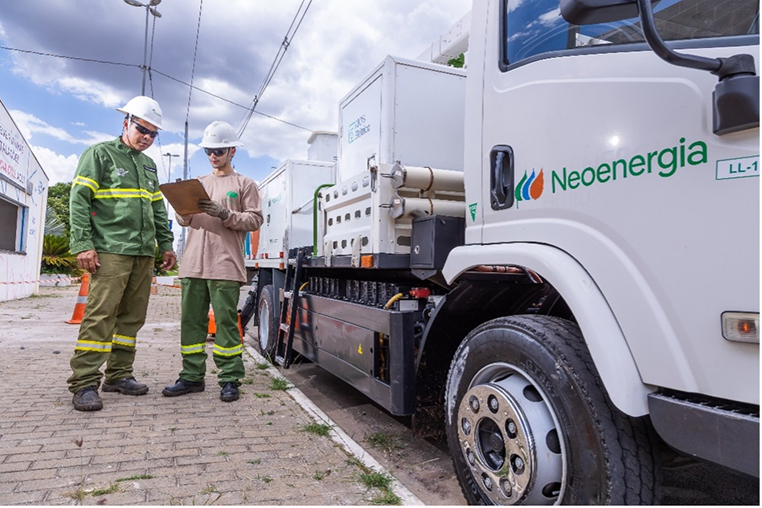
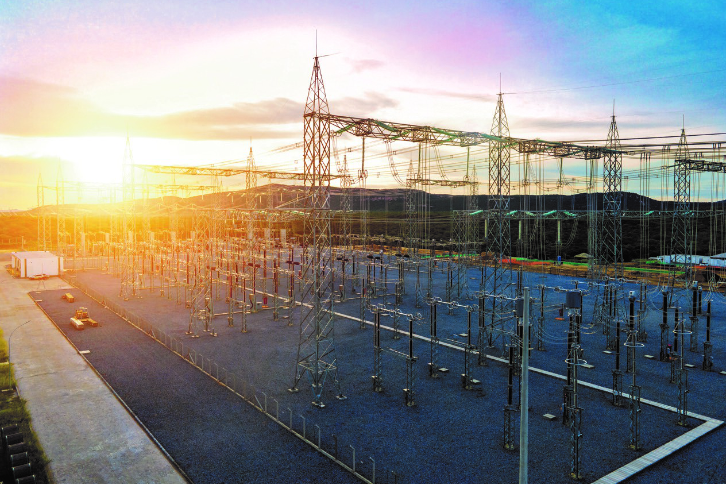
The new electric power line between the states of São Paulo and Minas Gerais, with a length of more than 1,600 kilometres, is Iberdrola's largest grid project in the world.
-
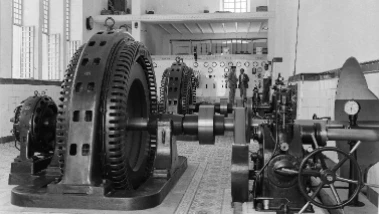
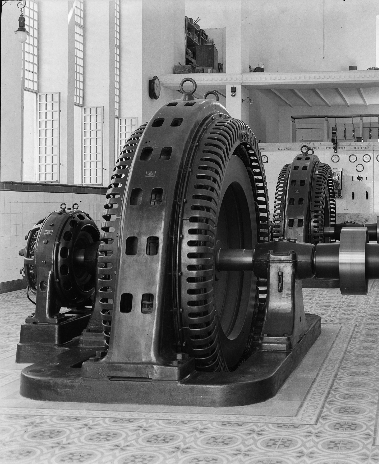
The hallmark of the Group is its steady growth and its forward-looking vision to prepare for the future energy needs of society.
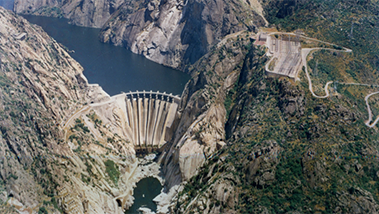
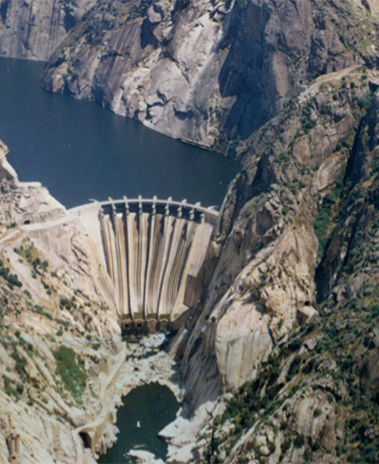
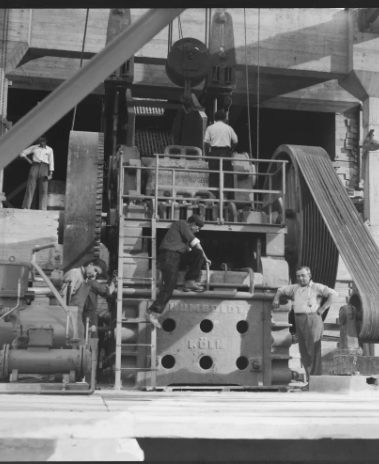
The construction of the Aldeadávila dam more than half a century ago represented one of the most important milestones in Iberdrola's history in Spain. This hydroelectric facility, located in a canyon in the Arribes del Duero Natural Park in Salamanca, is one of the largest generators of renewable electricity in the country, enough to supply 733,000 homes.


