






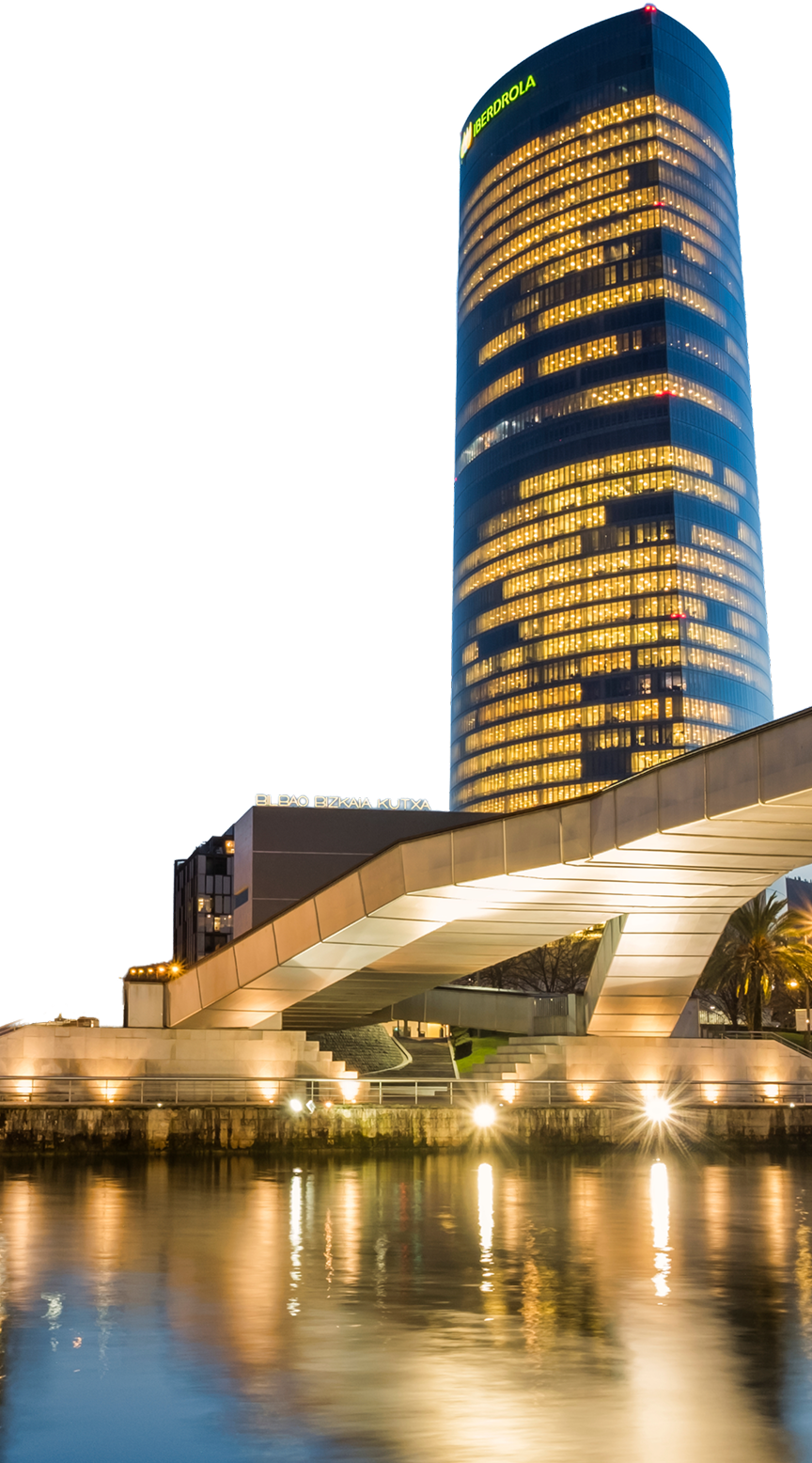



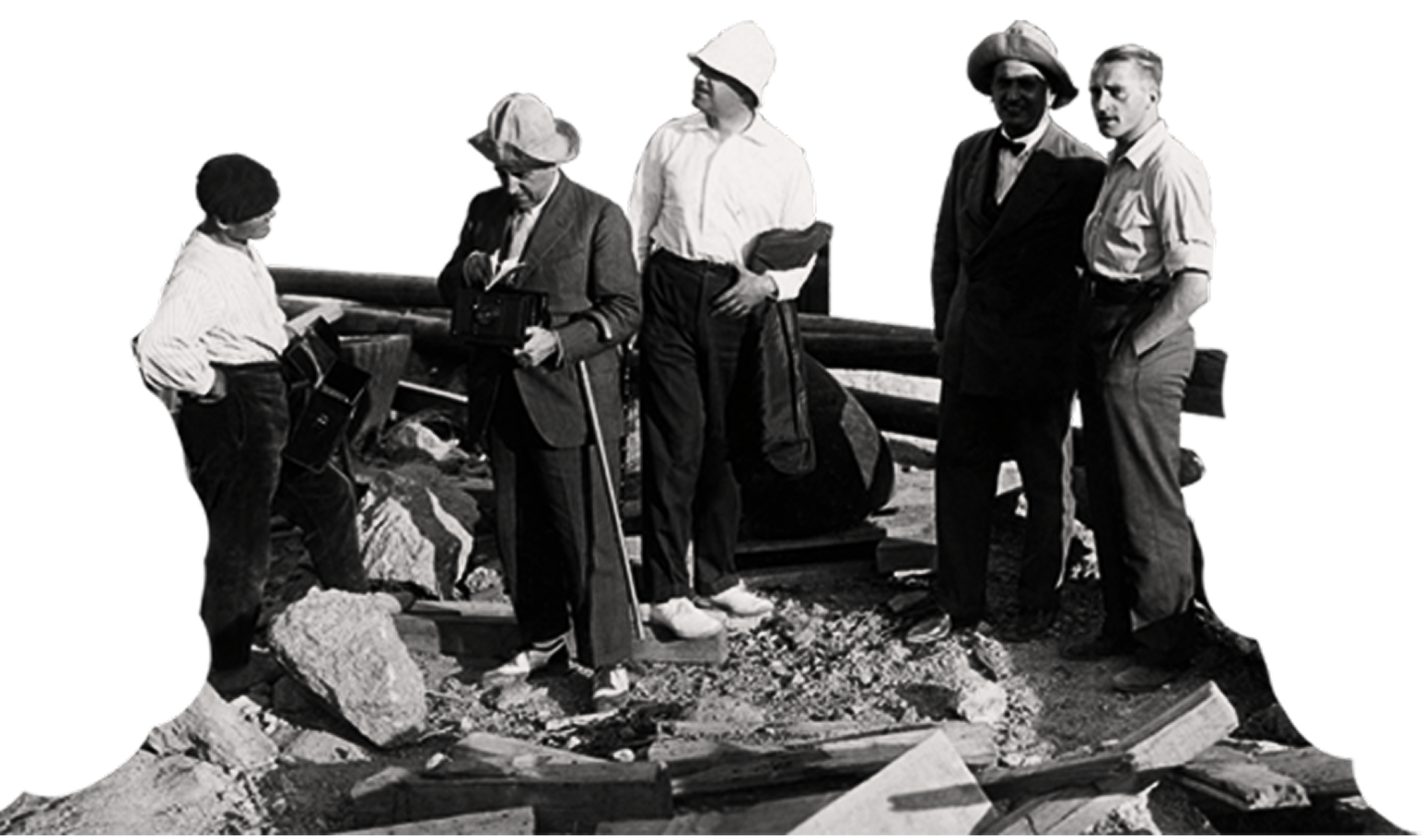
Effort, talent, commitment and ambition bring Iberdrola’s history to life – a Group built on strong foundations on both sides of the Atlantic. Today, the company is one of the two world’s leading utilities by market capitalisation and Europe’s largest electricity company without state ownership, as well as a global leader in networks, storage and clean energy.
This position has been shaped by firm values and a distinctive strategic vision. The company’s ability to anticipate society’s energy needs, together with the integration of diverse cultures, has created a unique perspective on developing solutions that will protect the environment for future generations.
Our innovative spirit has shaped our history
Our innovative spirit has shaped our history



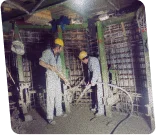
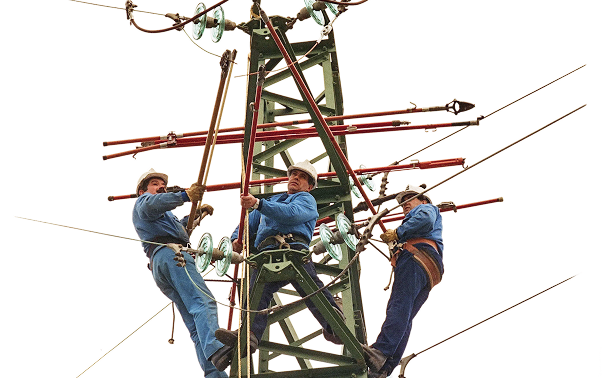
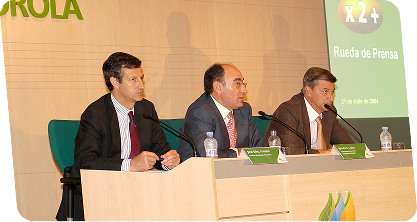
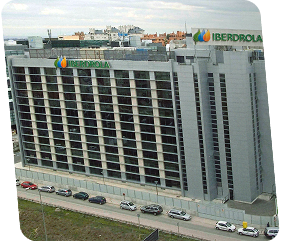

We are marking our history with a commemorative book to celebrate our 125th anniversary (Spanish version). Some of the photographs in this video have been animated using AI.
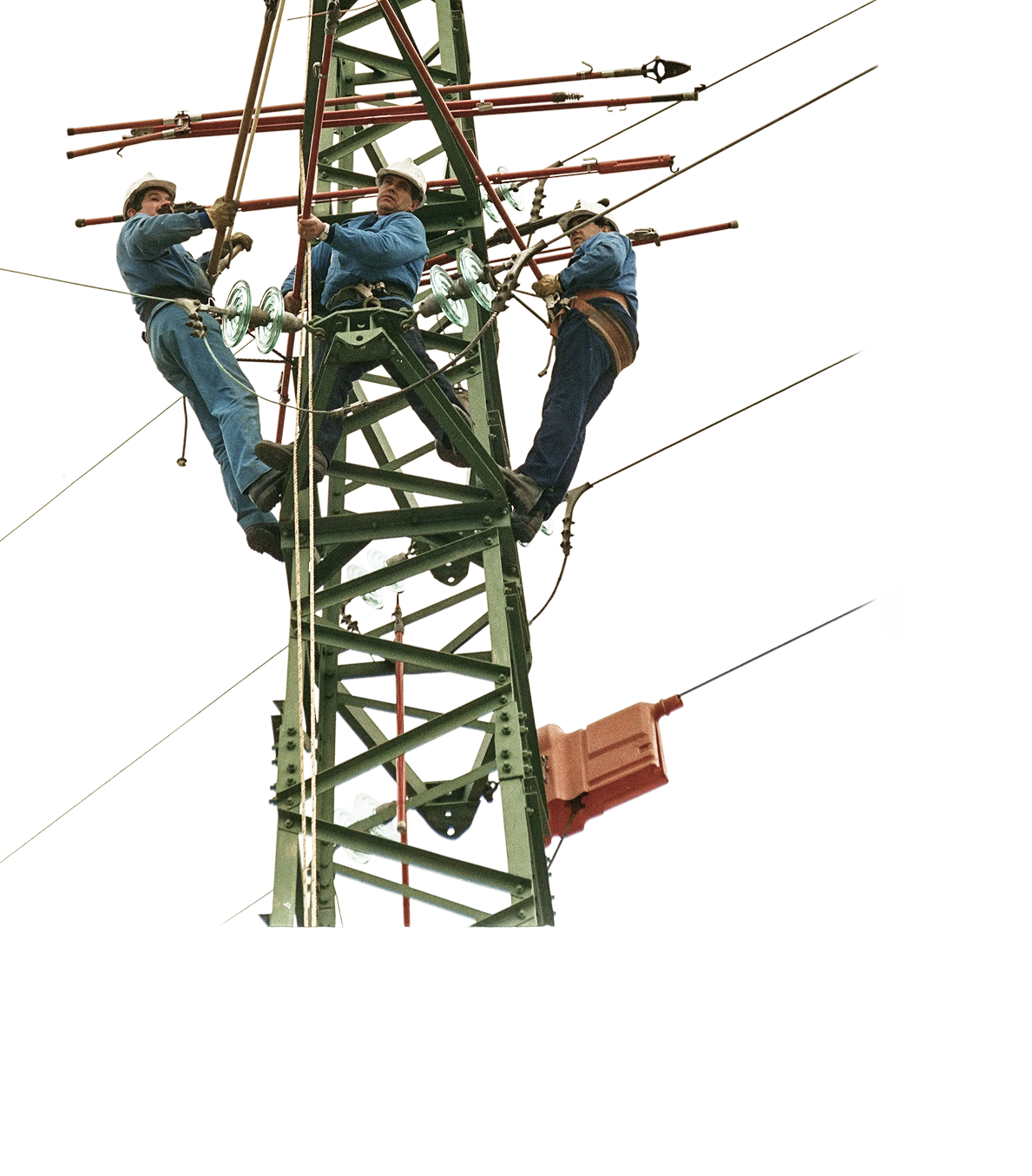
Since our history began in the early 20th century, energy has been the common thread running through a company that has grown alongside the transformation of society. In 1901, Hidroeléctrica Ibérica was founded, at a time when electricity was beginning to transform industry and everyday life for good. Since then, every new power plant, electricity network and project has formed part of the same challenge: generating the energy needed to drive development and delivering it ever further afield.
Over more than a century, we have experienced and driven the sector’s major transformations. From the expansion of hydropower and the construction of major infrastructure to the development of an increasingly extensive and interconnected network; from the creation of Iberduero in 1944 and the establishment of Iberdrola in 1991 to the international expansion that would turn us into a global company. In recent decades, in particular, our growth has evolved from our early commitment to wind power towards a strategy focused on renewable energy, electricity networks and electrification. At Iberdrola, we have made this evolution part of our forward-looking approach, anticipating the energy needs of each era.
The origins (1901-1960)
In the late 19th and early 20th centuries, the far-reaching changes brought about by the Second Industrial Revolution increased Europe’s need for more reliable and abundant energy sources to sustain economic growth. Against this backdrop, the company’s history officially began on 19 July 1901 in northern Spain with the establishment of Hidroeléctrica Ibérica, following the acquisition of two concessions on the River Ebro and with initial capital of 20 million pesetas. The company pioneered the concept of a national electricity market by generating power far from centres of consumption and transmitting it over long distances using high-voltage lines, laying the foundations for today’s electricity networks business. Although international subsidiaries such as the US-based Avangrid and the UK’s ScottishPower trace their roots to 1840 and 1901 respectively, the Group’s origins have always remained historically linked to this first initiative in Spain.
Electrification progressed rapidly during the first decades of the 20th century. In 1904, the Quintana hydroelectric plant began operating, pioneering the transmission of electricity at 30,000 volts to Bilbao. Hidroeléctrica del Águeda was also established. Shortly afterwards, in 1907, Hidroeléctrica Española (Hidrola) was founded after obtaining concessions on the River Tagus and at the Molinar hydroelectric plant on the River Júcar to supply Madrid and Valencia. In 1909, the company established its own distribution subsidiary, Electra de Madrid. The industrial landscape continued to take shape with the creation of Unión Eléctrica Vizcaína in 1908, following the merger of five local electricity distributors, and the establishment of Saltos del Duero in 1918, a company that soon stood out for its innovative vision and commitment to development in the sector.
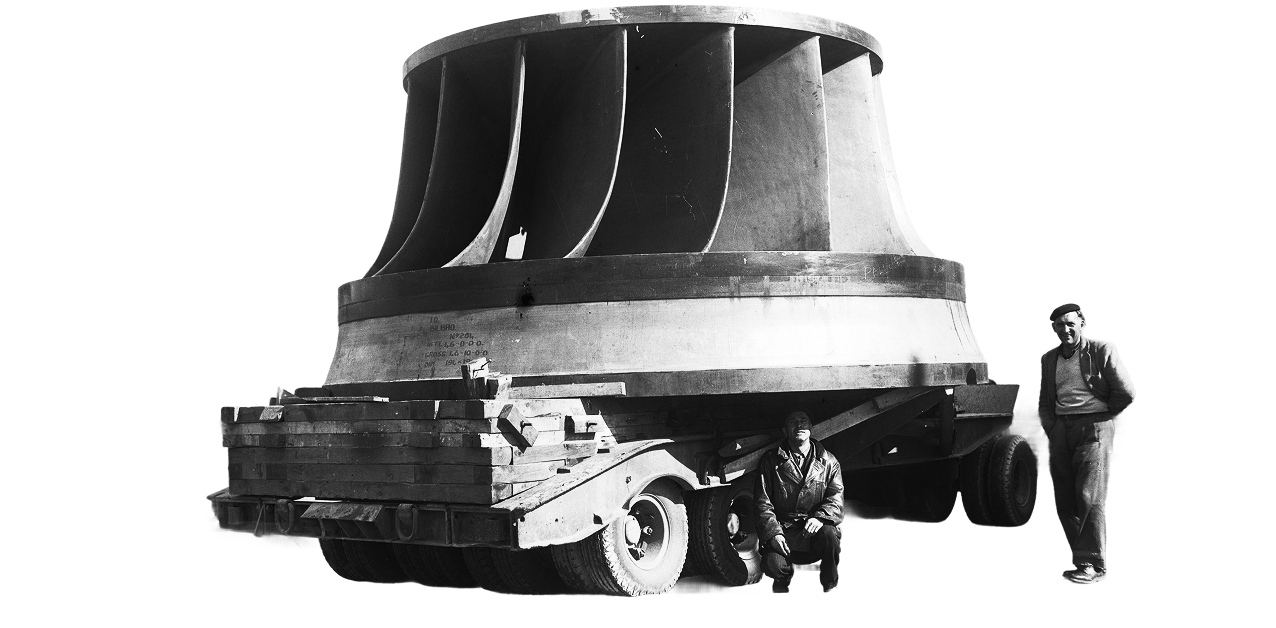
The consolidation of hydropower reached a major milestone in 1935 with the opening of the Ricobayo hydroelectric plant on the River Duero. The project stemmed from an international treaty between Spain and Portugal and became the first major undertaking of its kind in Spain and the largest in Europe at the time. Later, in 1944, the integration of Saltos del Duero’s concessions and projects with Hidroeléctrica Ibérica’s expanding business led to the creation of Iberduero. The consolidation of Spain’s electricity system continued in 1945 with the establishment of Saltos del Sil in Galicia’s river basins. Meanwhile, in the international arena, the South of Scotland Electricity Board was established in Scotland in 1955, laying the historical foundations for what would later become ScottishPower.
Years of development (1961-2000)
The 1960s brought significant change, characterised by confidence in technological progress and the emergence of nuclear power as a key driver of efficiency and sustainability. In this new landscape, major electricity companies grew into multinational businesses and gradually organised their operations around three main activities: generation, networks and retail. In Spain, this regulatory development culminated towards the end of the century in the enactment of Electricity Sector Law 54/1997, which liberalised the market for non-household customers in line with European directives promoting competition.
During these years, Iberduero continued to strengthen its infrastructure in Spain, acquiring Saltos del Sil in 1963 and subsequently opening the Aldeadávila hydroelectric power plant in 1964. At the time, it was the largest of its kind in Western Europe and gave a significant boost to the country’s economy. A few years later, in 1970, La Almendra dam, which forms part of the Villarino hydroelectric plant, came into operation. At 202 metres high, it was the tallest dam in Spain at the time.
The Group’s first nuclear power plants also began operating during this period: Santa María de Garoña in 1971, Almaraz nuclear power plant in Cáceres in 1981 and Cofrentes nuclear power plant in Valencia in 1985.
Meanwhile, in the UK, ScottishPower was established in 1990 and began operating its first onshore wind farm, Carland Cross, in 1992.
The defining event of this period in Spain came in 1991, when Iberduero merged with Hidroeléctrica Española, officially giving rise to the Iberdrola brand. The new company immediately focused its strategy on international expansion, entering Latin America in 1995 through generation and distribution businesses in Bolivia, Brazil, Guatemala and Mexico. This expansion gained momentum in 1997 with the acquisition of an initial 39% stake in the Brazilian holding company Neoenergia. In 1999, the Dulces Nombres power plant was inaugurated in Mexico, and Iberdrola was included in the prestigious Dow Jones Sustainability Index for the first time.
Meanwhile, in the United States, the merger of six energy companies in 1998, united by a shared vision and business plan, gave rise to a new player: Energy East, the precursor to today’s Avangrid.
Leadership in Spain (2001-2006)
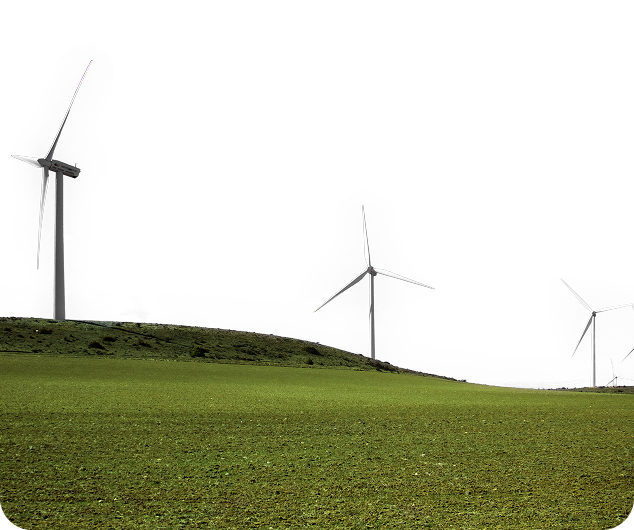
At the beginning of the 2000s, as information technology expanded and companies increasingly diversified into other sectors, Iberdrola focused its core energy and networks business on Spain, Mexico and Brazil. At the same time, the company made a pioneering and decisive commitment to wind power, a technology that had received little attention from the sector at the time but would gain a crucial role as a result of the environmental commitments arising from the Kyoto Protocol.
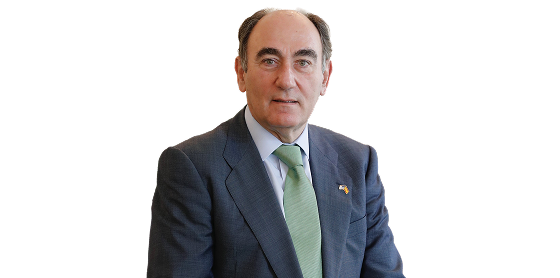
The year 2001 marked a turning point for the company with the appointment of Ignacio S. Galán as executive vice-president and chief executive officer. Under his leadership, the Strategic Plan 2001-2006 (“x2+”) was approved. The plan placed expansion into new markets and the promotion of clean energy at the heart of the company’s strategy. In 2002, this was accompanied by a refresh of the corporate brand identity and the establishment of Fundación Iberdrola España.
In the following years, the company strengthened its leading position in both financial performance and management recognition. Highlights included the commissioning in 2005 of the Maranchón wind farm, the largest in Spain at the time. In 2006, Ignacio S. Galán was appointed executive chairman, a position to which he has since been repeatedly re-elected by substantial majorities.
That same year, the STAR Project was launched to digitise the network and install more than 11 million smart meters in Spain, alongside the launch of the corporate volunteering programme.
Global leadership (2007-2025)
The period from 2007 onwards has been shaped by global events such as the 2008 financial crisis, the COVID-19 pandemic in 2020 and Europe’s energy security challenges. These developments accelerated the need for greater efficiency and decarbonisation. Against this backdrop, Iberdrola carried out major corporate transactions, including its integration with ScottishPower and Energy East in 2007, the acquisition of Elektro in Brazil in 2011 and the creation of Avangrid in the United States in 2015. At the same time, the company promoted open innovation through the PERSEO programme, established in 2008, and developed major international renewable energy facilities, including the Whitelee wind farm in Scotland and the Wikinger offshore wind farm in Germany.
Environmental protection and the responsible use of natural resources led to a clear conclusion: continuing to innovate and electrify requires the development of cleaner, more sustainable energy sources.
In this context, the electrification of the economy led to the gradual closure of all the company’s coal-fired power plants worldwide. At the same time, Iberdrola became a benchmark in sustainable finance, launching Spain’s first green hybrid bond issue in 2017. Major clean energy projects were also brought into operation, including La Muela II pumped-storage hydroelectric complex, the Núñez de Balboa and Francisco Pizarro photovoltaic plants in Spain, the Tâmega gigabattery in Portugal, the green hydrogen plant in Puertollano and the Saint-Brieuc offshore wind farm in France.
The company’s strategic growth has been reinforced through strong global partnerships with organisations such as Norges Bank and BP, alongside the creation of specialised brands such as i-DE for electricity distribution, Carbon2Nature for decarbonisation solutions and EnergyLOOP for recycling wind turbine blades. The company also amended its Articles of Association to enshrine its social dividend and has maintained an active response to social and environmental emergencies, including the launch of the il-lumina plan following the severe flooding in the Valencia region in 2024.
More recently, Iberdrola has strengthened its financial and industrial position by completing the sale of thermal generation assets in Mexico, agreeing to acquire UK electricity distributor ENW and taking full control of its US subsidiary Avangrid and Brazilian subsidiary Neoenergia. The company also presented its Strategic Plan 2025-2028, backed by €58 billion in investment focused on the development of electricity networks.
This is the story of a company that has evolved with the times while also working to anticipate what lies ahead. It is a story of major projects, decisions and people who have transformed the way energy is generated, transported and consumed. More than 125 years after our beginnings, our goal remains the same: to put energy at the service of development and help build a clean, sustainable future.

Because the light we switched on more than a century ago now shines brighter than ever.
Celebrating 125 years of history in Spain