


World Energy Storage Day: 22 September
When is World Energy Storage Day celebrated?
Energy storage Renewable energy
World Energy Storage Day is celebrated every 22 September. It is an initiative launched in 2017 by the Global Energy Storage Alliance (GESA) to raise awareness of the importance of energy storage and to promote the development of technologies that enable energy to be used when it is most needed. At Iberdrola, we are pioneers and international leaders in energy storage, with a strategy that combines the massive, long-term capacity of pumped-storage hydroelectricity with the speed and flexibility of batteries.
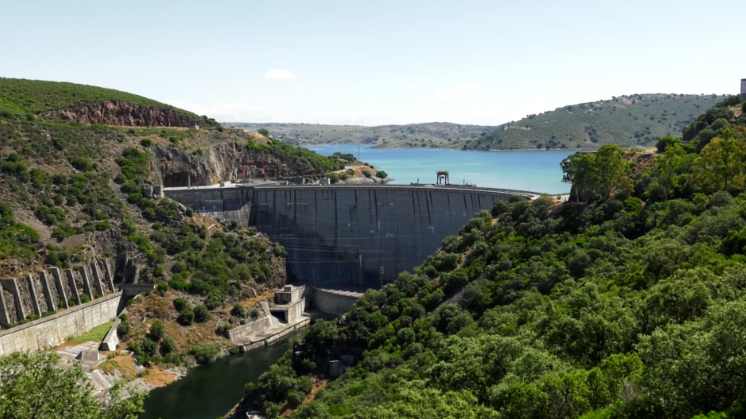
Electrification is transforming the way we generate, distribute and consume energy. Its progress, coupled with the growth of renewable energy, is establishing an increasingly clean and sustainable energy model. In this context it is essential to make the most of the electricity generated and manage its availability efficiently. This is where energy storage plays a key role, by enabling energy to be stored and made available when the system needs it.
From solutions that harness the power of water to battery-based technologies, there are various ways to store energy, each with its own characteristics and applications. All of them form part of a constantly evolving sector that is playing an increasingly important role in the electricity system. This evolution takes centre stage every 22 September with the celebration of World Energy Storage Day, a date that invites us to focus on the present and the future of these technologies.
What is World Energy Storage Day?
World Energy Storage Day is an event held every 22 September to highlight the role of energy storage technologies, raise awareness of their progress and promote understanding of their applications and potential. This event brings together companies, institutions and experts from different countries to discuss a technology set to play an increasingly important role in the integration of renewable energy, the flexibility of the electricity system and the advancement of electrification.
What is the origin of World Energy Storage Day?
World Energy Storage Day was established in 2017 on the initiative of the Global Energy Storage Alliance (GESA), an international alliance bringing together organisations involved in the development of energy storage. Since then, every 22 September this day has focused on the evolution of these technologies and their growing importance for the electricity system and electrification.
The choice of this date is no coincidence. 22 September coincides with the autumnal equinox, a time of year when the length of day and night are almost equal. This idea of balance served as inspiration to represent one of the key values of energy storage: helping to align electricity generation with demand and promoting greater integration of renewable energy sources.
Since its inception the event has grown and become a meeting point for the sector, which uses this date to share progress, analyse challenges and discuss the opportunities offered by energy storage.
World Energy Storage Day 2026: initiatives
World Energy Storage Day is usually marked by a global virtual conference. In 2026 it will be accompanied by an exhibition organised in India and focusing on clean energy transport.
Some of the key topics to be addressed at this year's event include the integration of renewable energy into the electrical network in light of the rapid roll-out of solar and wind power, electric mobility and the key role of charging infrastructure and batteries, and grid resilience to ensure an uninterrupted energy supply through large-scale storage systems.
Alongside this event in 2026 there will also be an extensive international programme of specialised meetings, including initiatives such as the Energy Storage Europe Conference (6 to 8 October 2026 in Brussels), which focuses on the policies, markets and challenges of energy storage in Europe, and the World Energy Storage Conference (14 to 16 October 2026 in Ningde, China), which focuses on the evolution of the industry and aspects such as technology, the supply chain and battery manufacturing.

Why is energy storage so crucial today?
Energy storage enables electricity to be captured and stored when there is excess generation so that it can be released when demand requires it. This capability is particularly important in an electricity system with an increasing proportion of renewable sources, whose output can vary depending on weather conditions. By storing surplus energy and making it available when needed, these solutions help to make better use of the energy generated and to adapt supply to consumption needs.
Furthermore, storage helps to balance the supply and demand for electricity in real time, providing flexibility to the system and helping to manage peaks in consumption. In smart grids, this capability enables a faster response to fluctuations in generation and demand, thereby enhancing the stability and resilience of the electrical network. In this way, storage can help reduce overloads and prevent power cuts while facilitating greater integration of renewable energy and a more efficient use of electrical infrastructure.
Key energy storage technologies
Electrical energy cannot be stored as such and must be converted into other forms, such as mechanical or chemical energy. Storage systems can add value at every stage of the supply chain. Depending on their capacity, energy storage systems are divided into: large-scale storage, used in applications operating on a GW scale; networks and generation asset storage, operating on a MW scale; and finally end-user storage, used in residential settings and operating on a kW scale.
Currently, these are the methods of storing energy and the main technologies that enable energy to be converted and stored efficiently:
-

Pumped-storage hydroelectricity
Find out more about pumped-storage hydroelectric power stationsThe most efficient large-scale storage system in operation. It is a cost-effective and proven technology that provides stability to the electricity system and can generate significant amounts of clean energy with rapid response times.
-

Batteries
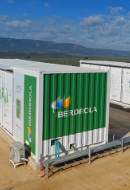
Find out more about BESS systemsA device that stores energy in chemical compounds capable of generating an electrical charge, which can then be fed back into the electrical network or used when needed. There are many different types, such as lead-acid, lithium-ion and nickel-cadmium batteries. The main advantages of batteries are their rapid response time (in milliseconds), their ease of installation and scalability, and, finally, the many benefits they can offer both in managing renewable generation and in providing stability and flexibility to the electricity system.
-

Thermal storage
Find out more about thermal storageThese systems store energy in the form of heat for later use in electricity generation or other energy applications. This technology enables the management of energy produced, for example, by solar installations, and extends its availability beyond the hours of peak solar radiation.
-

Green hydrogen
Find out more about green hydrogenGreen hydrogen can act as a storage solution as it is produced from surplus renewable energy (via electrolysis), can be stored for long periods and can be converted back into electricity or used as a clean fuel when needed.
-

Compressed air
These facilities feature a reversible motor which, during periods of excess energy, stores ambient air at high pressures in underground chambers. It is a mechanical storage system comparable in capacity to pumped-storage hydroelectricity.
-

Supercapacitor
This is a device capable of storing large amounts of electrical energy in the form of electrostatic charges, meaning no chemical reactions take place. Supercapacitors can be charged and discharged in a matter of seconds, making them ideal for meeting peak power demands or dealing with brief power cuts.
-

Flywheels
This is a mechanical storage system consisting of a metal disc that begins to rotate when torque is applied to it; a counter-torque then slows down the flywheel, thereby conserving electrical energy in the form of kinetic energy.
-

Hydrogen fuel cells
This is a form of continuous chemical storage. It differs from batteries in that hydrogen is continuously supplied to the cell from an external source, allowing for constant use. There are other types of fuel cells, but hydrogen is the most commonly used fuel.


Energy storage technologies
Large-scale (GW)
Reversible hydroelectric (pumping) and thermal storage

Storage in the grid and in generation assets (MW)
Cells and batteries, capacitors and superconductors, and flywheels

End user (KW)
Batteries, superconductors and flywheels


Challenges and the future of storage for electrification
Energy storage is expected to play an increasingly important role as electrification progresses and an energy model based on renewable sources becomes established. However, its development still faces a number of technological, economic and regulatory challenges that will need to be addressed to scale up these solutions, improve their efficiency and realise their full potential.
At the same time, innovation is opening new avenues for developing storage systems with greater capacity, greater flexibility and the ability to respond to the needs of a constantly evolving electricity system.
Key future challenges and opportunities include:
-

Increasing capacity and duration
Developing solutions capable of storing greater quantities of energy for longer periods will be essential for managing the variability of renewable generation and ensuring the availability of electricity when it is needed.
-

Improving efficiency and reducing costs
Technological innovation aims to increase the performance of storage systems, extend their service life and reduce the costs associated with their installation and operation, thereby facilitating their deployment on a larger scale.
-

Advancing integration and flexibility
Combining different storage technologies will enable solutions to be better tailored to the needs of the moment, from rapid responses to fluctuations in demand to the storage of energy for hours or longer periods.
-

Promoting more sustainable storage
The development of new materials, manufacturing processes and recovery and recycling systems will help to reduce the environmental impact of these technologies and move towards more circular models.


Therefore, the future of energy storage lies in combining innovation and flexibility to meet the electricity system's evolving needs. Its evolution will enable us to make ever better use of renewable energy, strengthen network stability and support the growth of electrification, thereby contributing to a cleaner, more efficient and more resilient energy system.
Iberdrola and the drive towards energy storage
At Iberdrola we are committed to energy storage as one of the key challenges in achieving the electrification and decarbonisation of the energy system while making the most of the potential of renewable energy. Our strategy primarily combines large-scale storage through pumped-storage hydroelectric power stations with the development of battery energy storage systems (BESS), two complementary solutions that provide flexibility to the electricity system and enable renewable energy to be managed more efficiently.
With more than half a century of experience and around 4.5 gigawatts of installed pumped-storage capacity by the end of 2025, at Iberdrola we are pioneers and leaders in this technology in Spain and Portugal, and one of the leading international players in long-duration energy storage. In the UK, we were pioneers in integrating batteries alongside our wind farms. As such, Iberdrola has positioned itself at the forefront of large-scale battery deployment in Spain and the transition to long-duration batteries in Australia.
From long-duration pumped storage to instant-response batteries, at Iberdrola we are developing a diversified storage portfolio that enables us to harness ever-increasing amounts of renewable energy and make it available to consumers and networks when it is actually needed. With these solutions, at Iberdrola we are helping to store surplus renewable energy and make it available when needed, strengthening the stability of the system and facilitating greater integration of sources such as solar and wind power.