














-
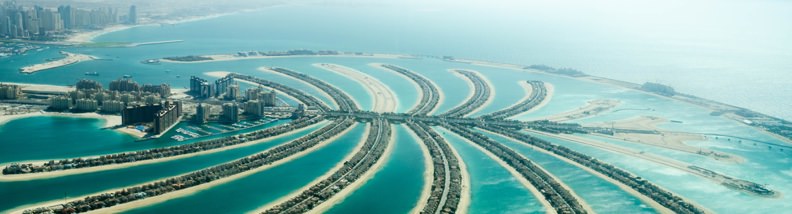
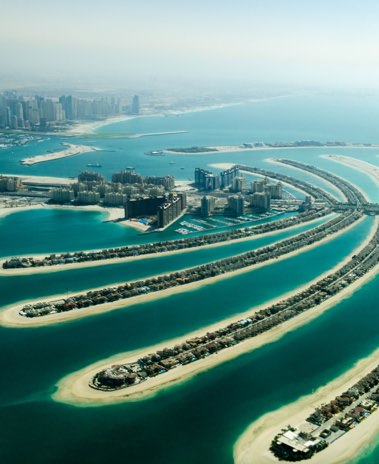
Sand is, after water, the most sought after natural resource. It is an essential component in the manufacture of electronic devices and glass, and it is also used in bulk in construction. Rapid population growth and the mass development of cities have turned this material into a scarce commodity and a very lucrative business has emerged in trading sand. The theft of sand is a real threat to the environment.
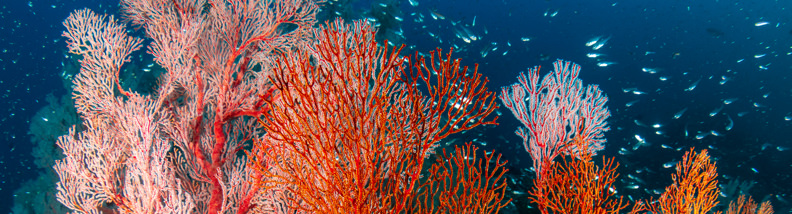
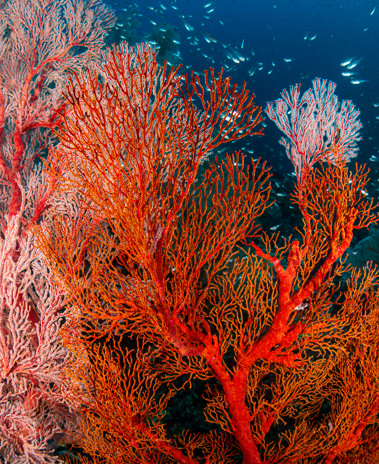
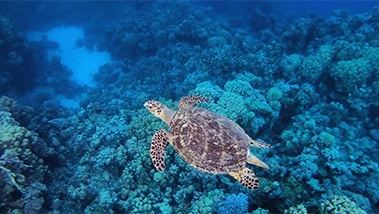
Human activity and global warming are accelerating the extinction of species. As progress continues towards the necessary transition to a decarbonised and environmentally responsible economy, protecting the planet’s biodiversity and its natural ecosystems is more important than ever, especially in so-called megadiverse countries. These are territories that concentrate an extraordinary richness of species and a high degree of endemism – meaning species that exist nowhere else in the world. However, it is important to draw a distinction: a country may host many species and be highly diverse without reaching “megadiverse” status if it does not also meet this high level of biological uniqueness.
-
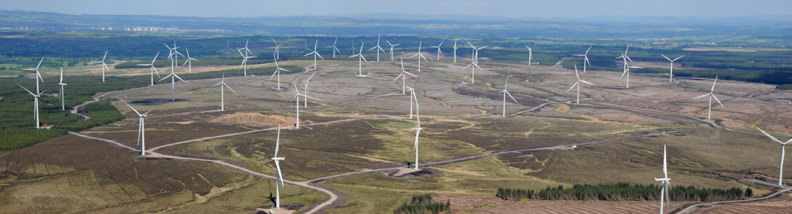
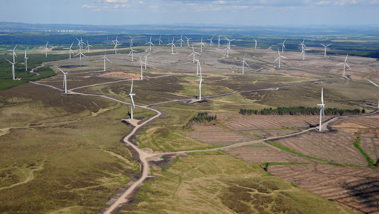
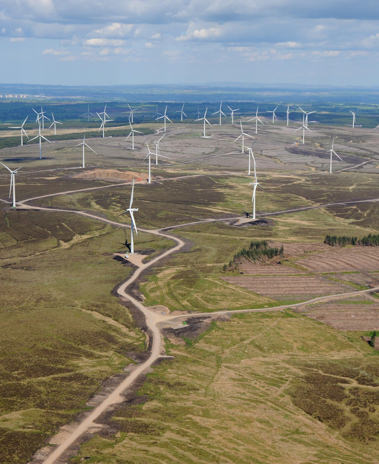
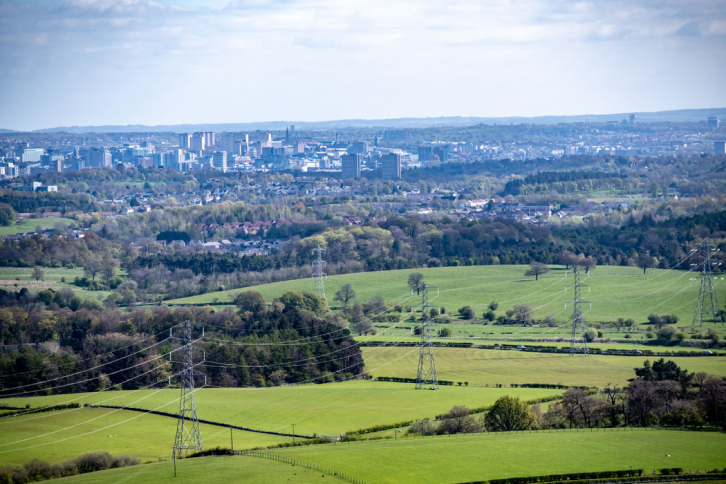
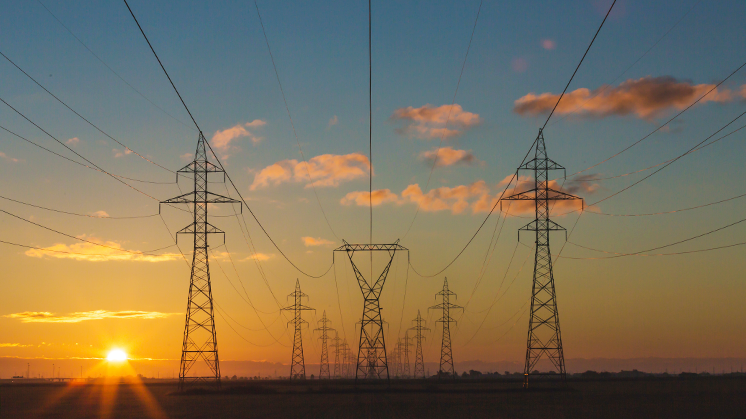
Wind energy is produced by transforming the movement of air currents into electrical energy. To harness the wind produced on land, enormous wind farms are built capable of extracting maximum power from this clean, renewable resource. Let us explain how it works.
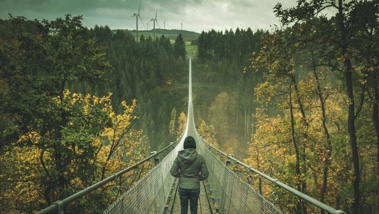

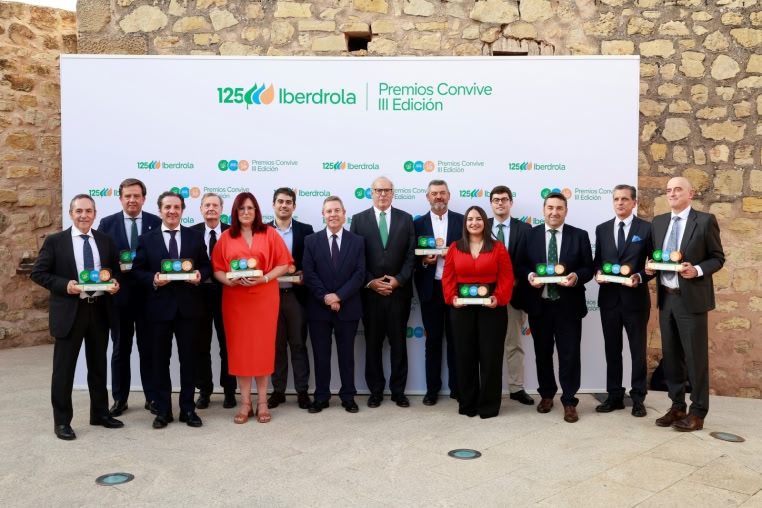
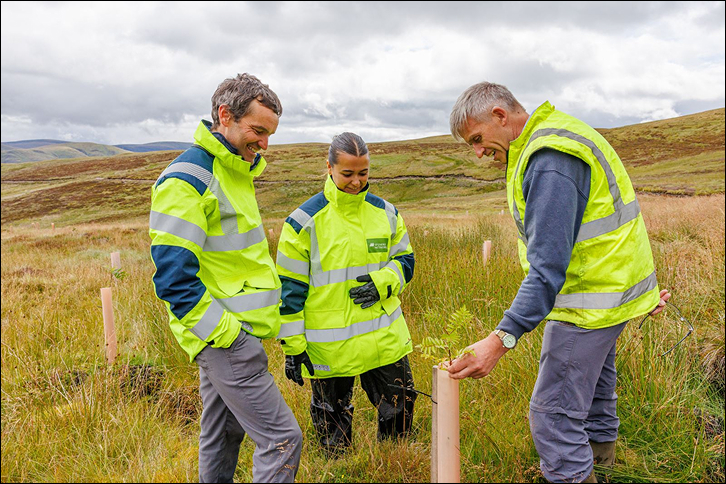
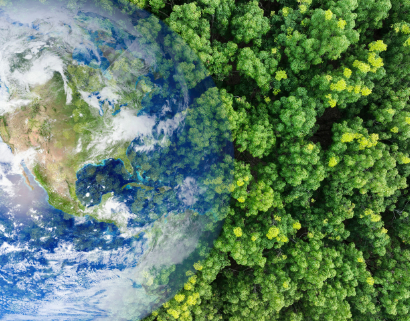
United Nations World Environment Day 2026, which will be held on 5 June, takes place within the framework of the United Nations Decade on Ecosystem Restoration, a global initiative to prevent, halt and reverse the degradation of ecosystems worldwide. Fully aligned with this objective, at Iberdrola Group we are working to help preserve healthy ecosystems wherever we operate.
-
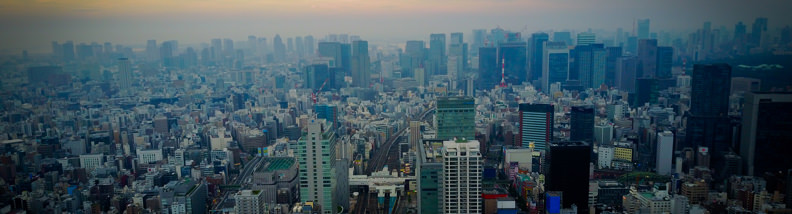
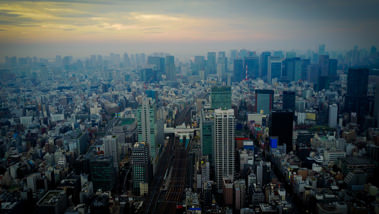
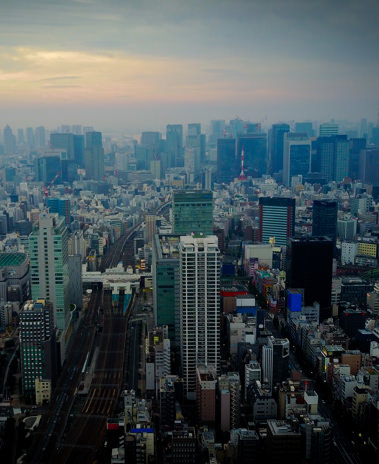
Tokyo (Japan) is currently the largest 'megacity' in the world with 37.4 million inhabitants. In 2100 it will be Lagos (Nigeria) with 88 million. The number of these urban centres are astounding and in a short period of time they will become a great challenge for humanity at a demographic, migratory, socio-economic, political and environmental level.

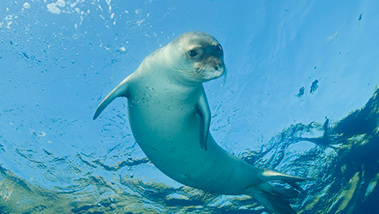

Global biodiversity has declined alarmingly over the past half-century: more than 48,600 species are at risk of extinction, according to the IUCN Red List (International Union for Conservation of Nature, IUCN). Climate change is the main cause of this threat.
-
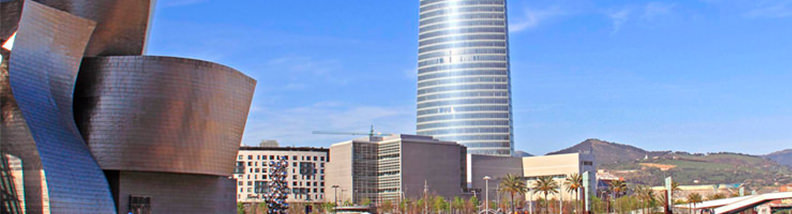
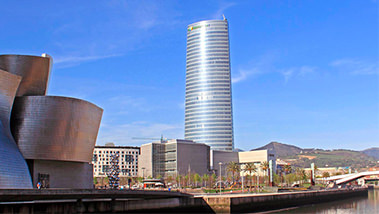
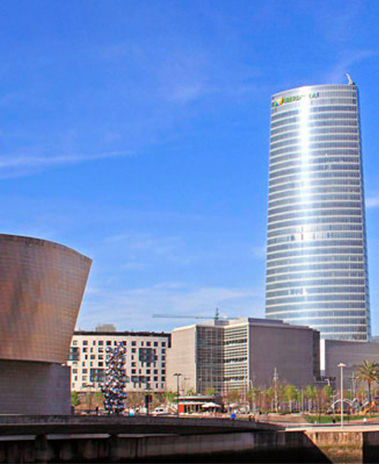
Sustainable architecture promotes efficient energy use in buildings in order to prevent unnecessary energy costs, to take advantage of local resources for system operations, and to ensure that there are no negative environmental impacts.
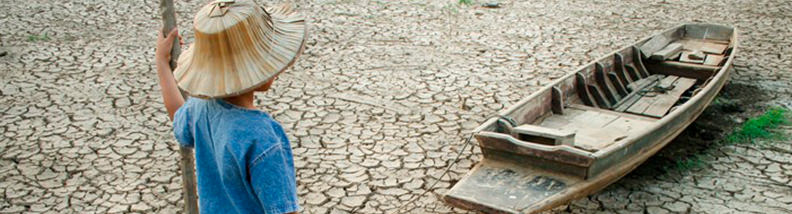
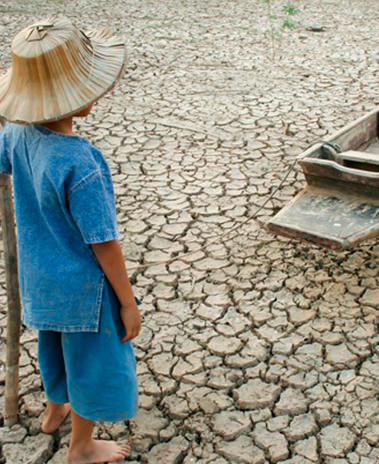
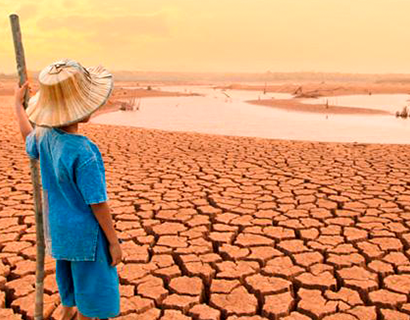
In 2022 alone, climate disasters caused nearly 32 million internal displacements worldwide, according to a report by the International Displacement Monitoring Centre. The figure shows a very worrying trend, representing an increase of nearly 43% over the previous year's levels.


