














-
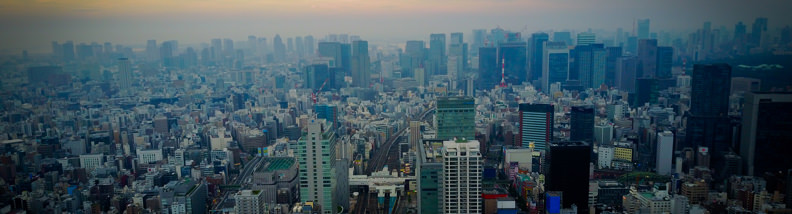
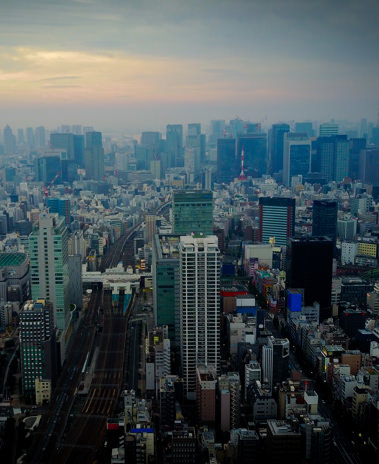
Tokyo (Japan) is currently the largest 'megacity' in the world with 37.4 million inhabitants. In 2100 it will be Lagos (Nigeria) with 88 million. The number of these urban centres are astounding and in a short period of time they will become a great challenge for humanity at a demographic, migratory, socio-economic, political and environmental level.

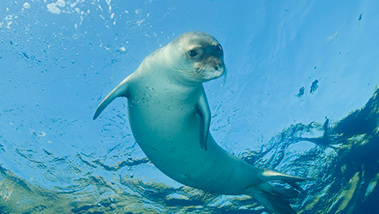
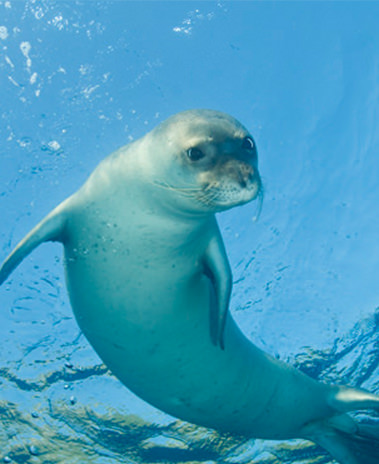
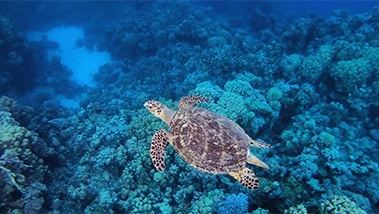
Global biodiversity has declined alarmingly over the past half-century: more than 48,600 species are at risk of extinction, according to the IUCN Red List (International Union for Conservation of Nature, IUCN). Climate change is the main cause of this threat.
-

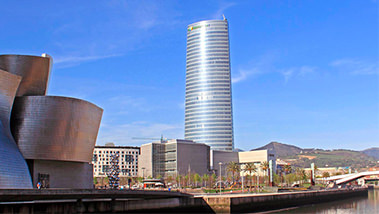
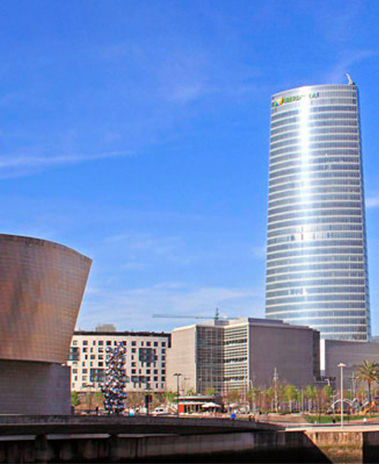
Sustainable architecture promotes efficient energy use in buildings in order to prevent unnecessary energy costs, to take advantage of local resources for system operations, and to ensure that there are no negative environmental impacts.
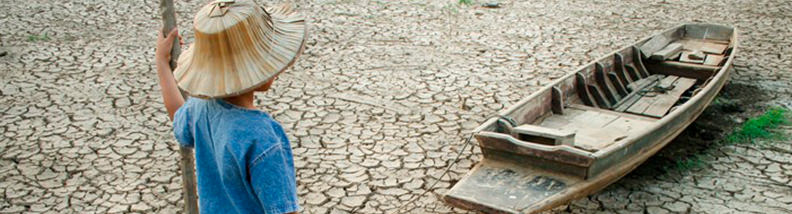
In 2022 alone, climate disasters caused nearly 32 million internal displacements worldwide, according to a report by the International Displacement Monitoring Centre. The figure shows a very worrying trend, representing an increase of nearly 43% over the previous year's levels.
-



Organic products, also known as green or eco-friendly products, are grown in production systems that combine the best environmental practices with the preservation of natural resources. We reveal the keys to organic production.



The COVID-19 pandemic is battering the global economy and forcing the “powers that be” to roll out short-term strategies to inject liquidity into markets, provide support for the unemployed and boost health systems with resources. Governments around the world are designing medium and long-term economic recovery programmes, and many legislators, organisations and companies are planning a green recovery.
-

Salt water makes up over 97% of the water on the planet. Two thirds of the fresh water is trapped in glaciers and the polar ice caps, and most of the remaining third is in the ground or in underground aquifers. Conclusion: there is very little water available for living things.
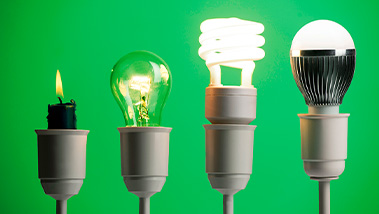
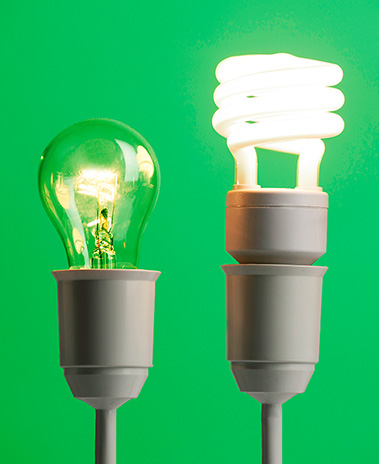
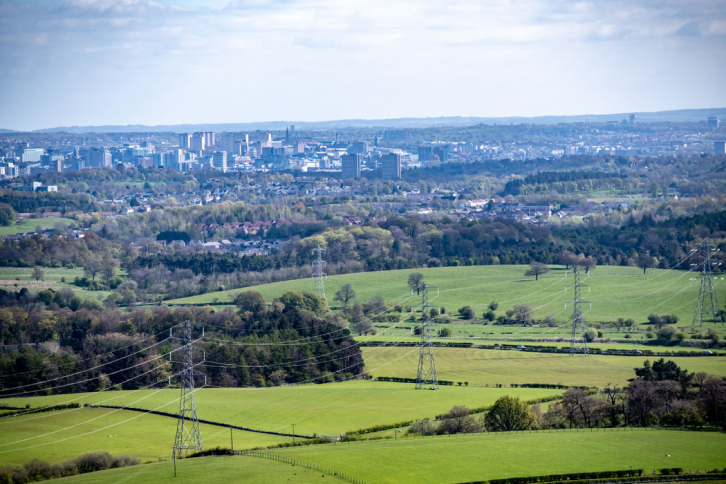
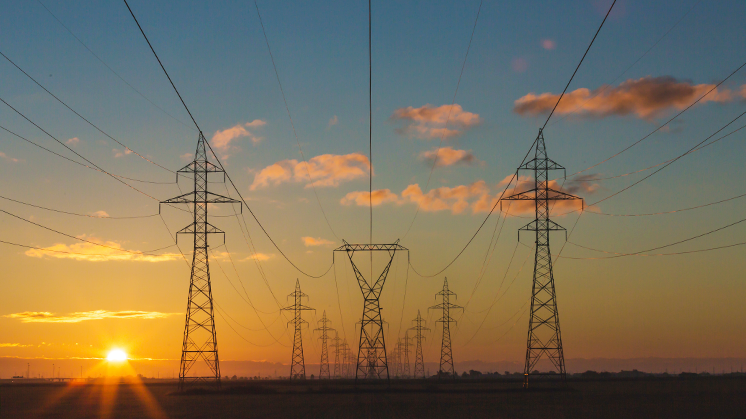
Thomas Edison's first electric power plant built in 1882 only supplied current to a few light bulbs. Since then, the grid that carries electricity to our homes has expanded and is facing the biggest challenge so far: to become completely fossil-fuel free and move towards renewable energy sources. Discover the history of electricity until nowadays.


