


1901
Hidroeléctrica Ibérica is founded in Spain to meet growing electricity demand in the main industrial regions of northern Spain.
Key milestones of this period
1901
1901
Hidroeléctrica Ibérica is founded in Spain to meet growing electricity demand in the main industrial regions of northern Spain.
1907
Hidroeléctrica Española (Hidrola) is established following the transfer of concessions on the Tagus and the Molinar plant on the Júcar, supplying the Madrid and Valencia markets.
1918
Saltos del Duero is founded as a generator and distributor and becomes a pioneer in R&D projects.
1944
Iberduero is created through the merger of Saltos del Duero and Hidroeléctrica Ibérica, combining complementary strengths.
1955
The South of Scotland Electricity Board is established, laying the foundations for ScottishPower.
1960

At the end of the 19th century, Europe entered a period of profound transformation. The Second Industrial Revolution would permanently change how people produced, communicated and lived. Technological progress drove the emergence of new industries and highlighted the need for more reliable and abundant sources of energy.
In 1914, the outbreak of the First World War interrupted this momentum but also marked a turning point. The demands of the conflict forced the energy sector to reinvent itself, seek new resources and develop extensive distribution networks capable of supporting post-war reconstruction. In this context, hydropower became strategically important: water was transformed into a driving force for development, converting natural energy into electricity for homes, workshops and factories.
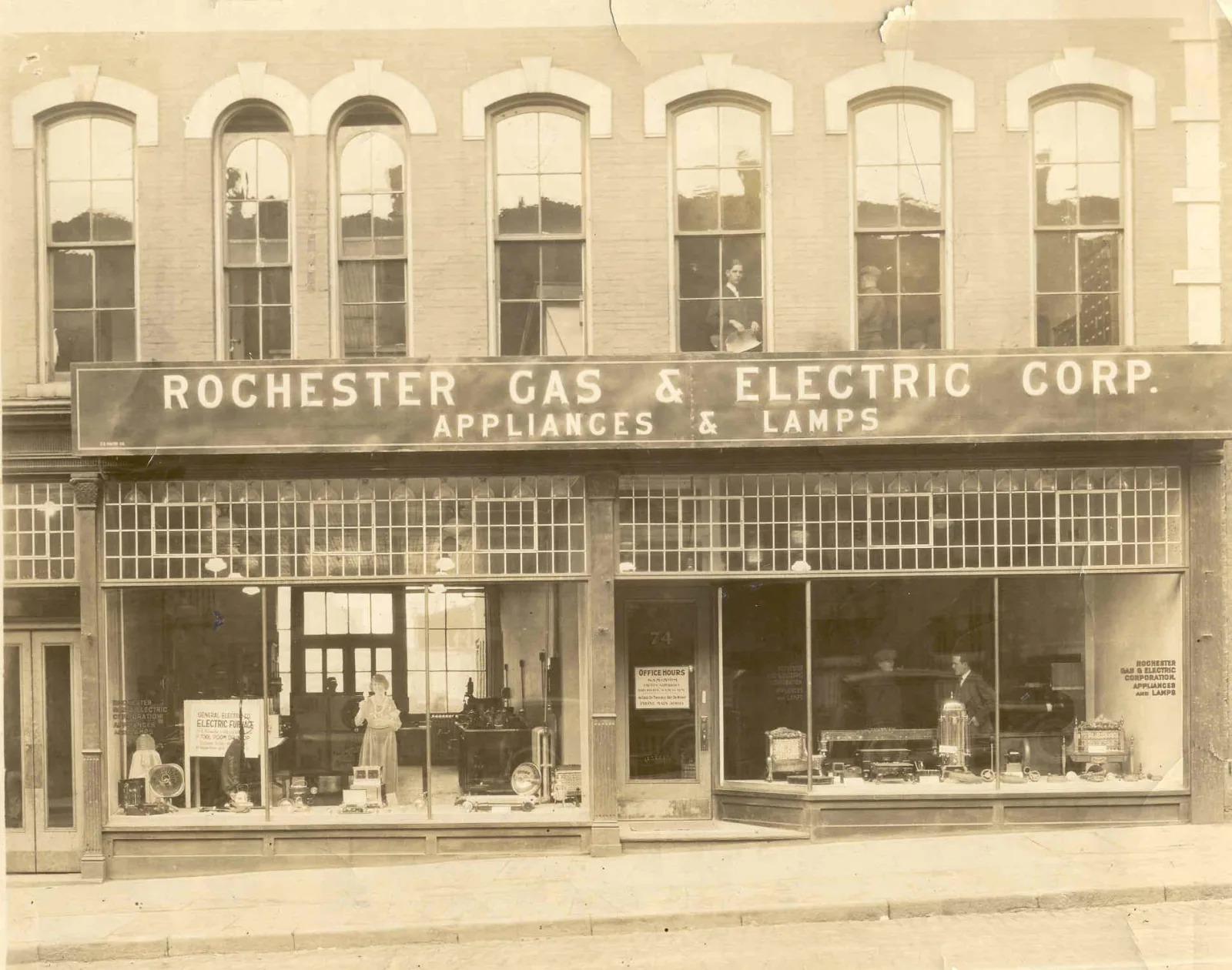
It was also during this period that the first domestic electrical installations began to emerge, particularly in the United States, where electricity started to illuminate streets and homes.
Years later, the progress achieved in the early decades of the 20th century was disrupted by the Spanish Civil War, which halted the country’s development and destroyed key electrical infrastructure at a time of uncertainty and scarce resources. This situation foreshadowed what would soon unfold across Europe, which, with the outbreak of the Second World War, entered a period of instability.
Although Spain did not participate directly in the conflict, it remained isolated during the 1940s. This limited access to technology and materials that could have accelerated the development of the energy sector.
In this context, electricity came to be regarded as a strategic resource. State intervention intensified to guarantee supply under conditions of scarcity and economic control. This created uncertainty among companies, amid concerns over potential full nationalisation of the sector.
Even so, the commitment and perseverance of those working in the electricity industry kept the system alive, laying the foundations for the recovery and growth that would follow in later years.

To understand the Group’s journey, it is essential to look at the origins of the companies that now form part of it. Our story begins in 1901 in northern Spain, where the main industrial regions required increasing amounts of electricity to sustain their activity.
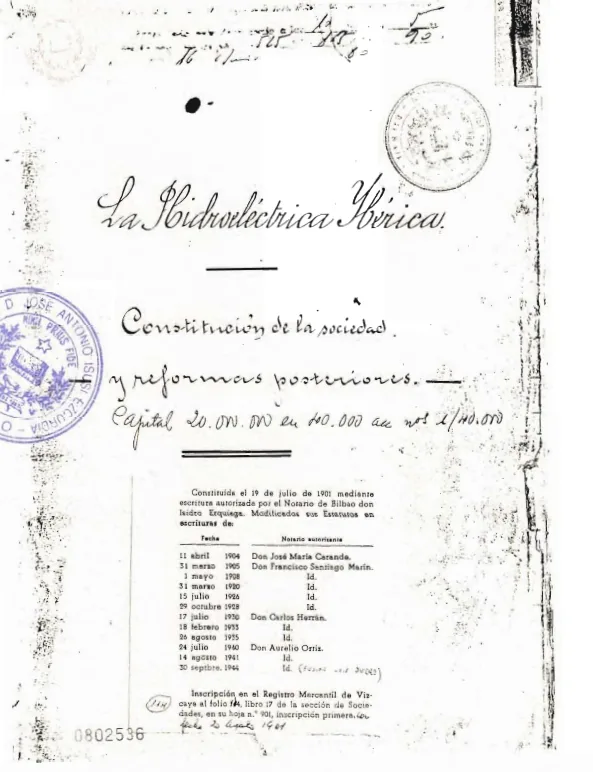
To meet this demand, two concessions on the River Ebro were acquired. These became the foundation of what, just months later, on 19 July 1901, would be established as Hidroeléctrica Ibérica. The company was founded with share capital of 20 million pesetas and introduced the concept of a national electricity market, generating power far from centres of consumption and transporting it over long distances through high-voltage lines. This marked the origin of the networks business in Spain as we know it today, and the beginning of what would become one of the most important energy companies in Europe and the world.
While the origins of Avangrid, Iberdrola’s US subsidiary, date back to 1840 in Connecticut with the creation of the Hartford City Light Company, and ScottishPower to 1901 with the founding of Clyde Valley Electrical Power, the Group’s trajectory has always remained connected to that first business in Spain.
Soon after, in 1904, Hidroeléctrica Ibérica brought the Quintana hydroelectric plant into operation, the first to enter service. It was also a pioneer in electricity transmission, using 30,000-volt lines to transport power to Bilbao. That same year saw the creation of Hidroeléctrica del Águeda, which supplied electricity to 29 towns across the province of Salamanca and into Portugal.
In 1907, another of the Group’s pillars was established: Hidroeléctrica Española (Hidrola), following the transfer from Hidroeléctrica Ibérica of concessions on the River Tagus and the Molinar plant on the River Júcar, with the aim of supplying the Madrid and Valencia markets. Two years later, in 1909, the company created its own distribution business, Electra de Madrid, to operate low-voltage supply in the capital.
Electrification in northern Spain continued to expand. In 1908, Unión Eléctrica Vizcaína was established to distribute electricity, bringing together five existing distributors: Santa Ana de Bolueta, Eléctrica del Nervión, Electra de Bedia, Electra Compañía General de Electricidad and El Ibaizábal.
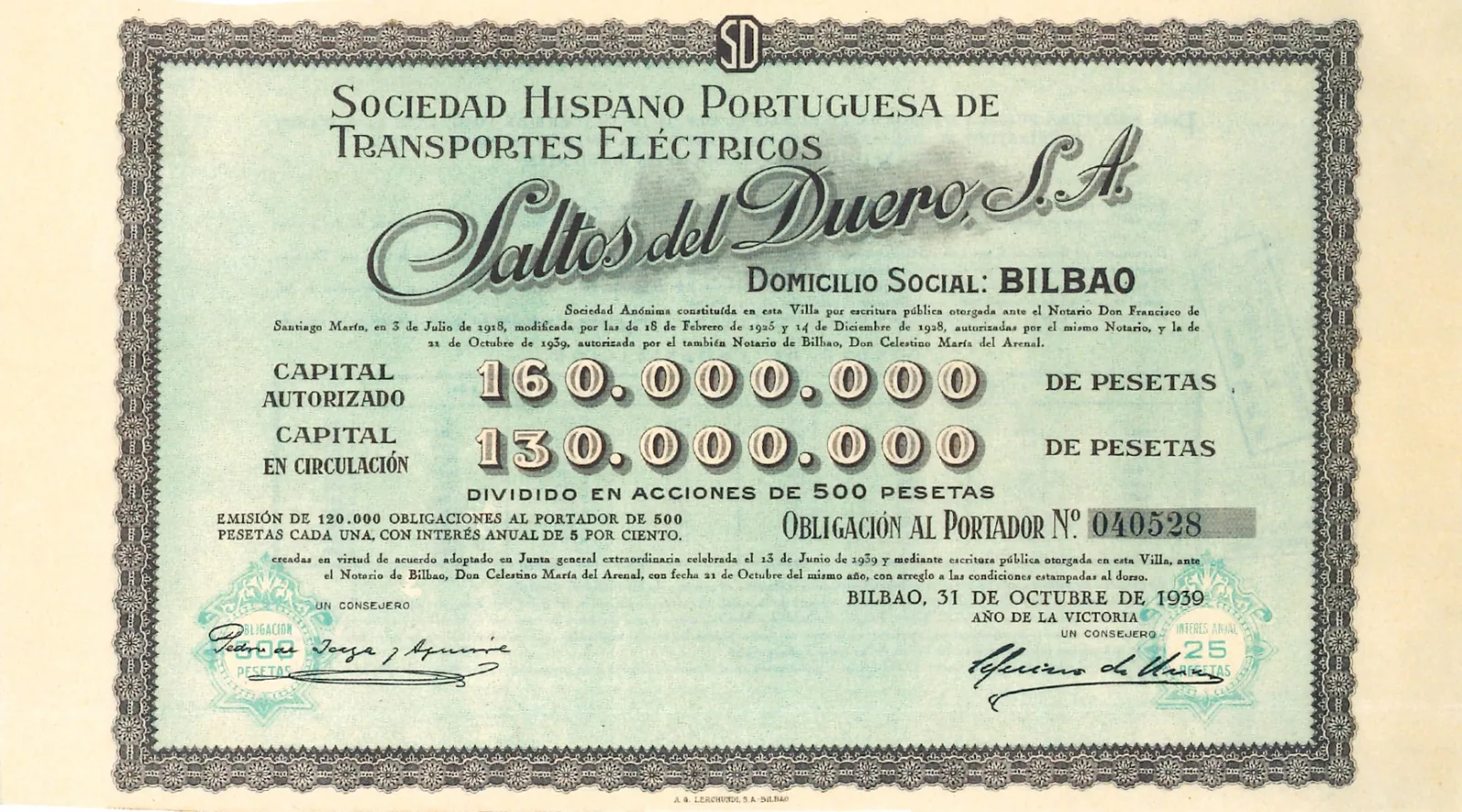
A decade later, in 1918, Saltos del Duero was founded – then known as Sociedad Hispano-Portuguesa de Transportes Eléctricos – as a new electricity generator and distributor with a forward-looking vision. It became a pioneer in R&D within the sector.
Hydropower development in Spain continued. In 1935, the Ricobayo plant was inaugurated following an international agreement between Spain and Portugal on the River Duero and its tributaries. This project marked a milestone, becoming the first major development of its kind in Spain and the largest in Europe at the time.
The merger of two complementary business initiatives in 1944 led to the creation of Iberduero. On one side was Saltos del Duero, which held the most valuable concessions and the most ambitious hydroelectric projects of the time. On the other was Hidroeléctrica Ibérica, which contributed a market with significant growth potential. Together, they consolidated a solid energy project in the Spanish market.
The domestic market continued to grow with the creation of Saltos del Sil in 1945. The company operated in the basins of the Rivers Sil and Bibey, with transmission lines linking Galicia, Ponferrada and Madrid.
A decade later, in 1955, the South of Scotland Electricity Board was established – the forerunner of what is now ScottishPower – and became one of the largest electricity generation and transmission companies in the country.
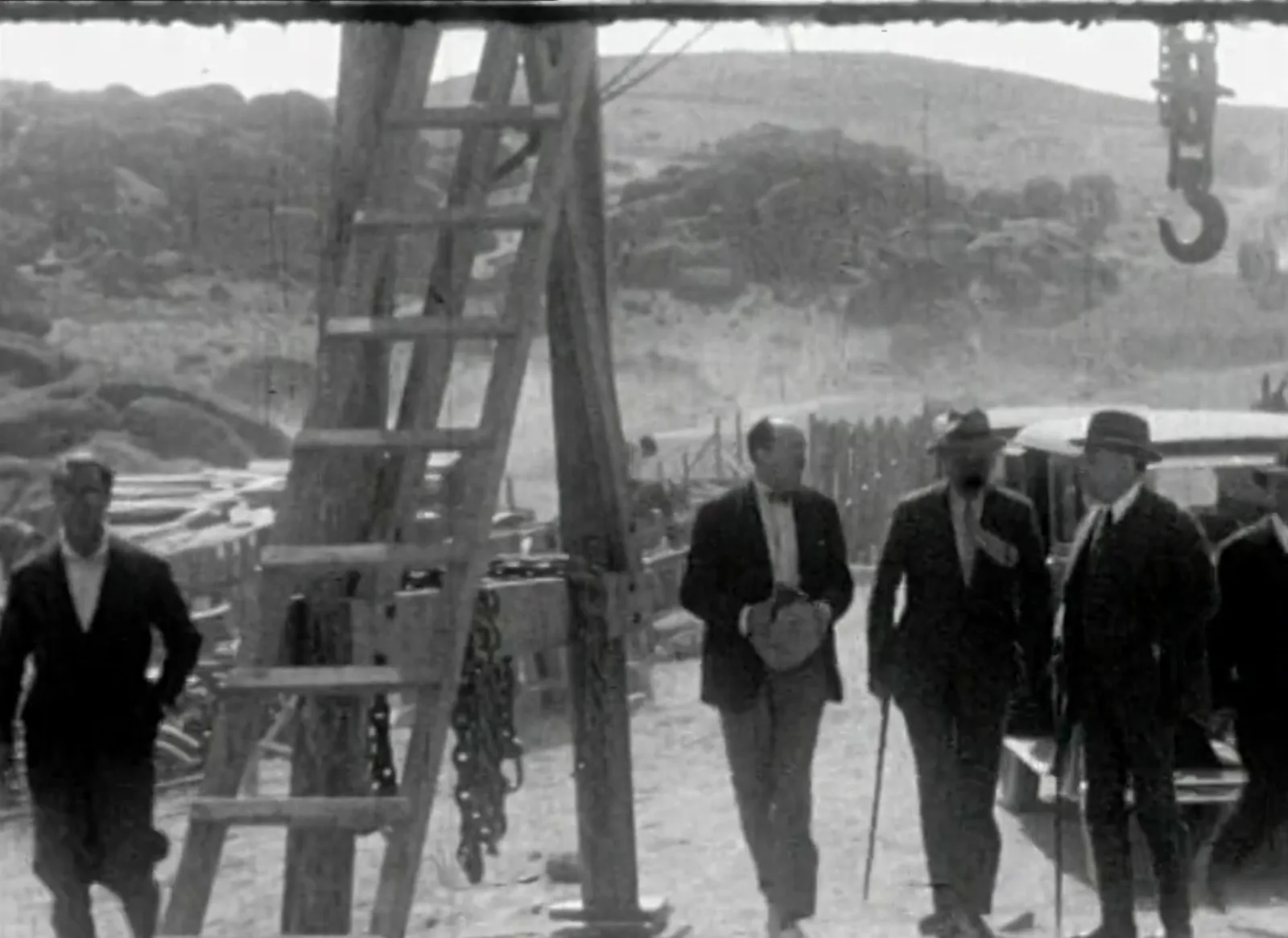
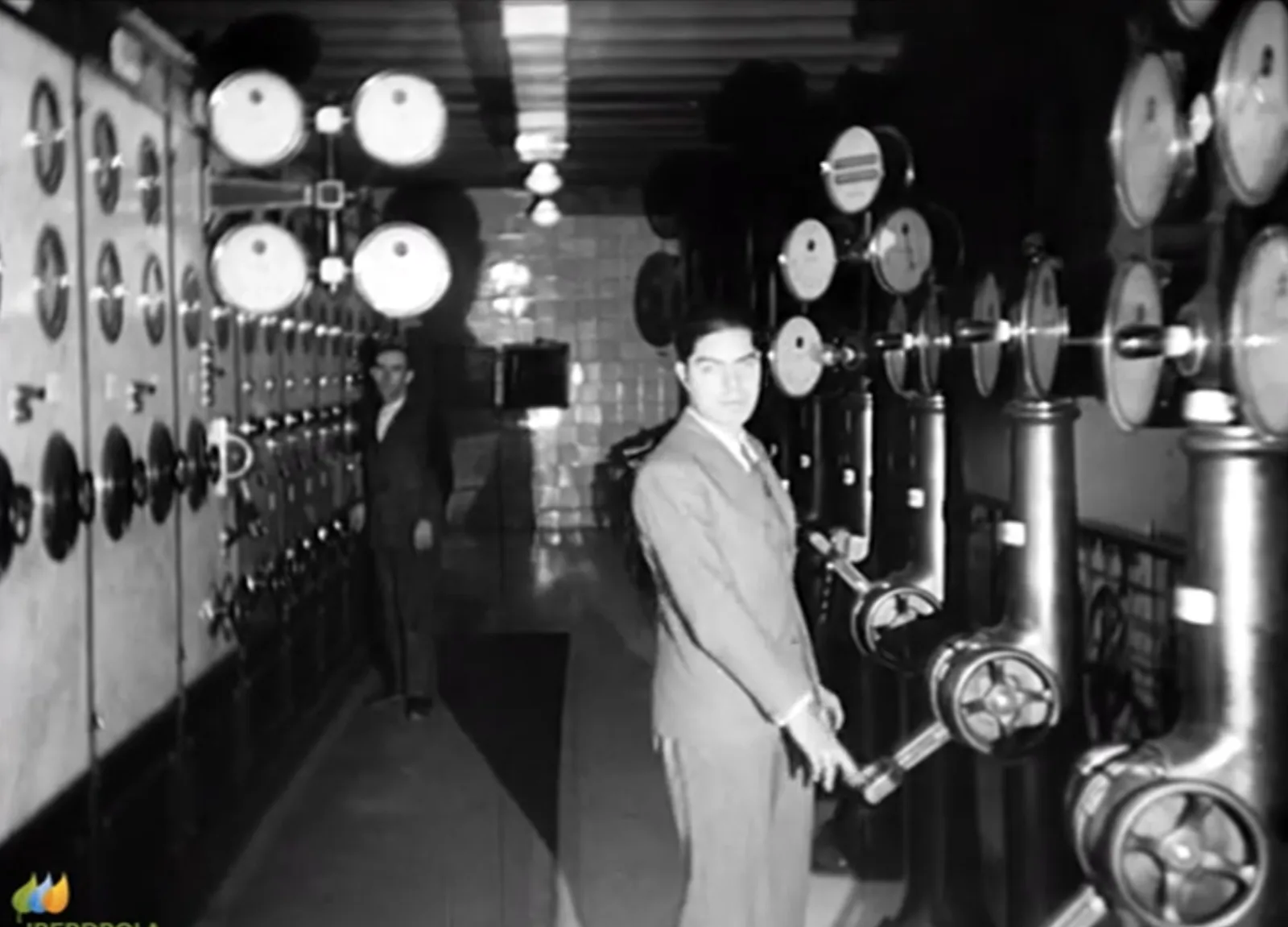
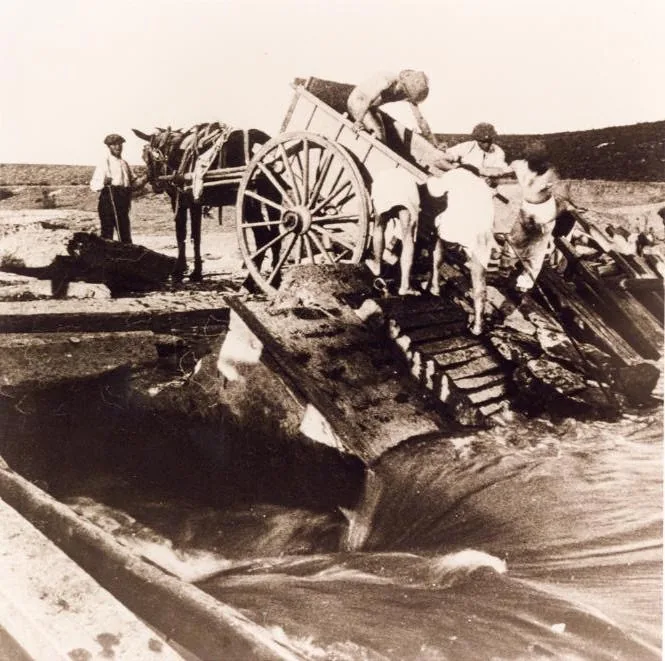
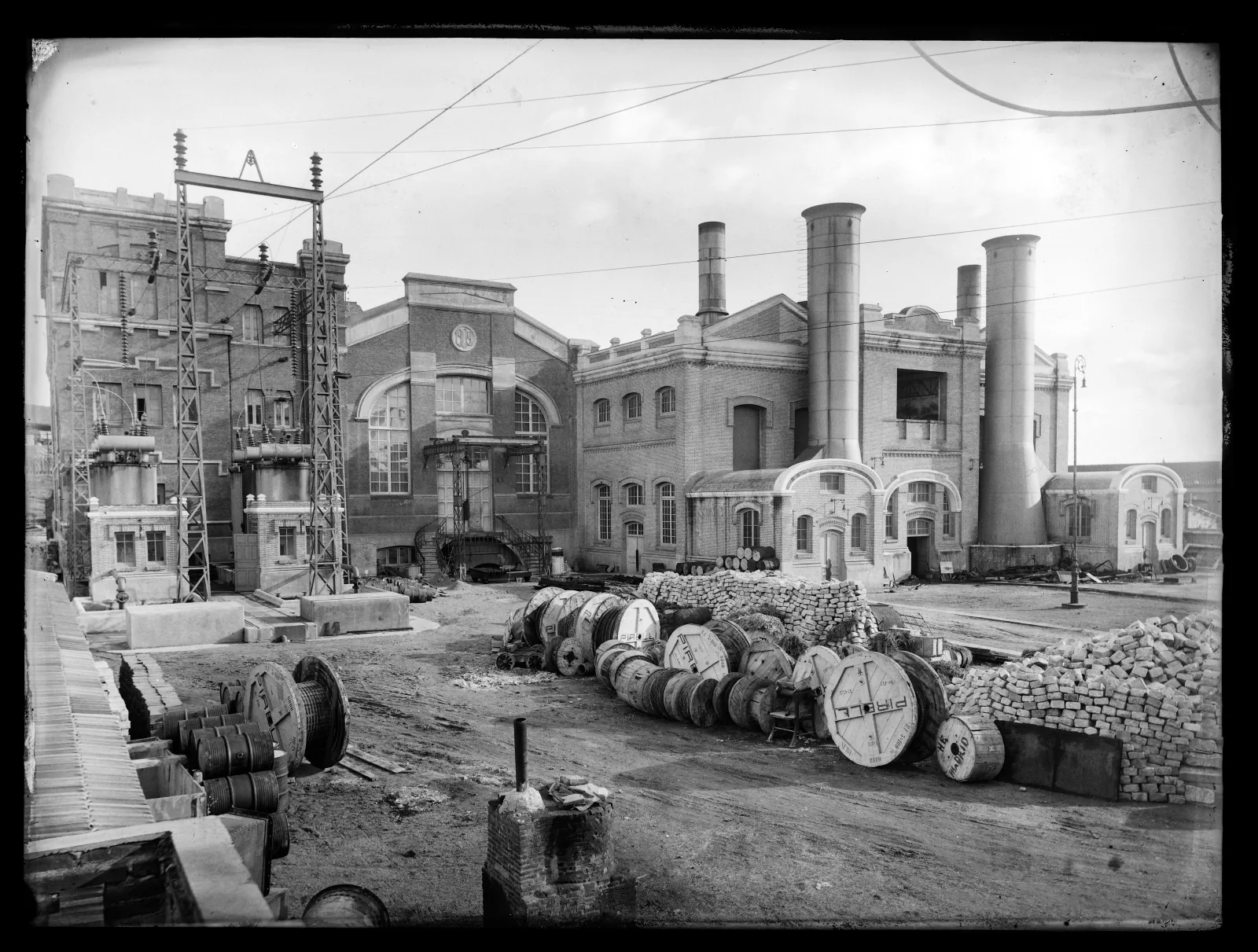
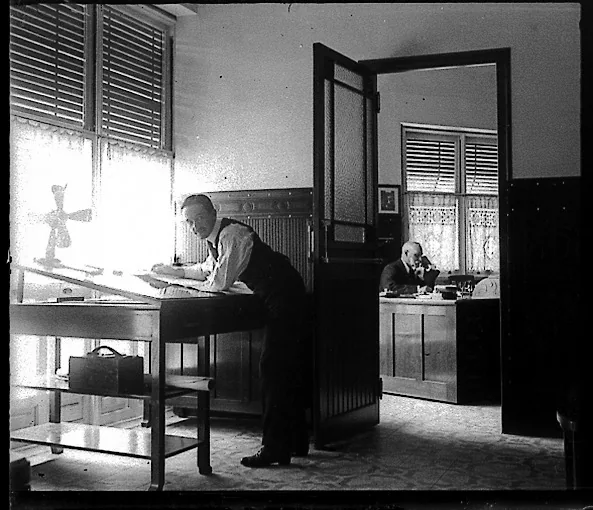
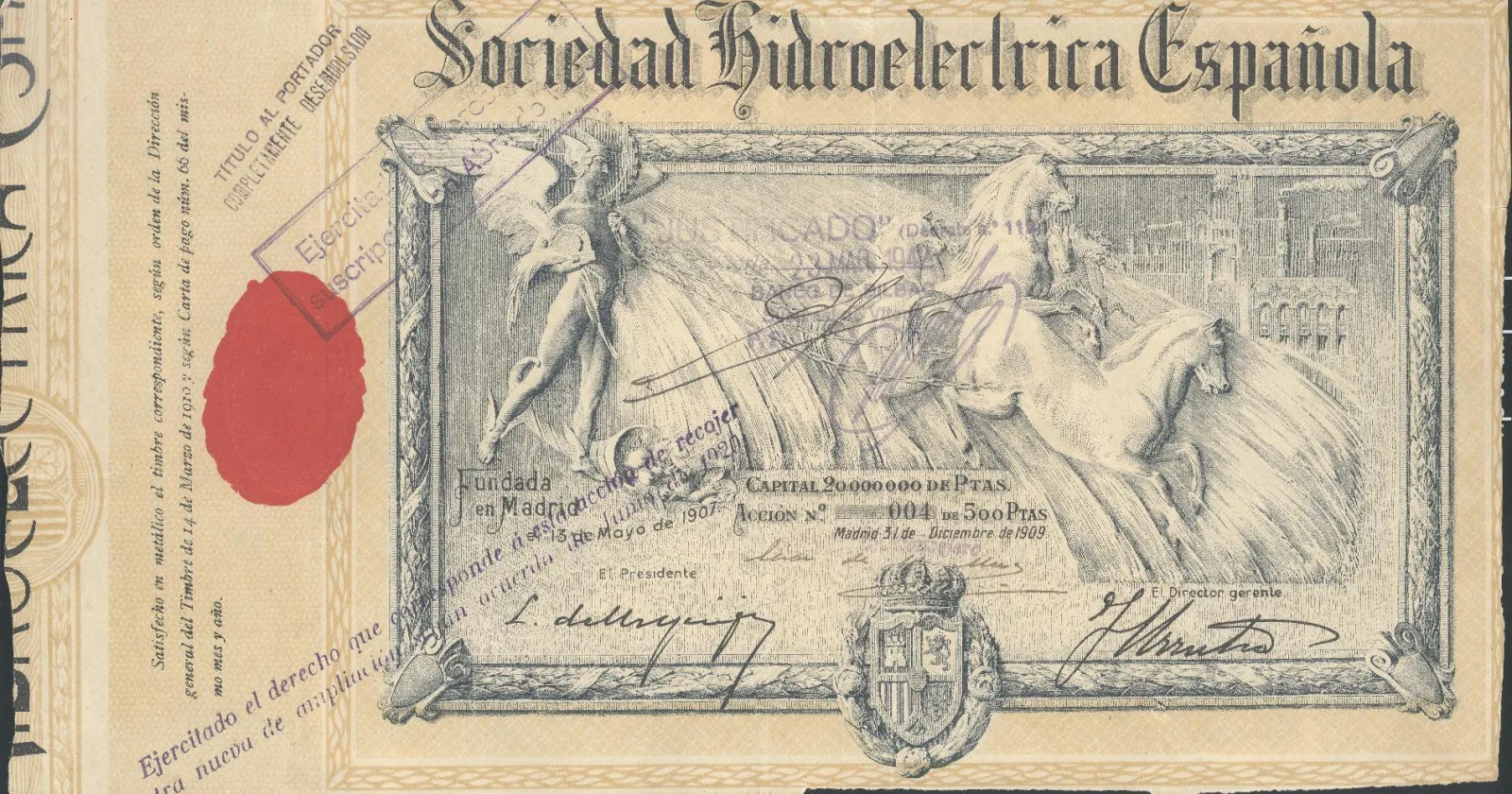
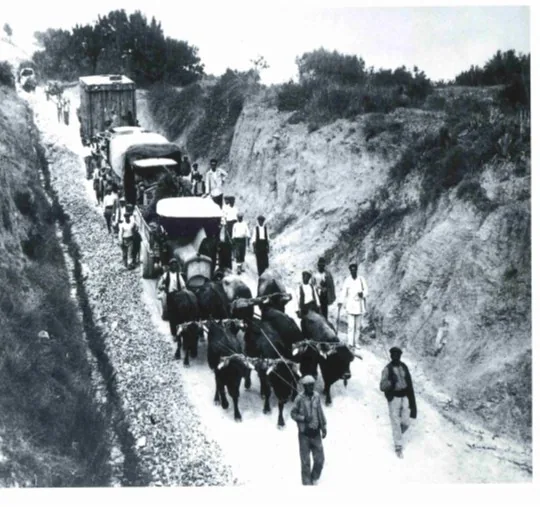
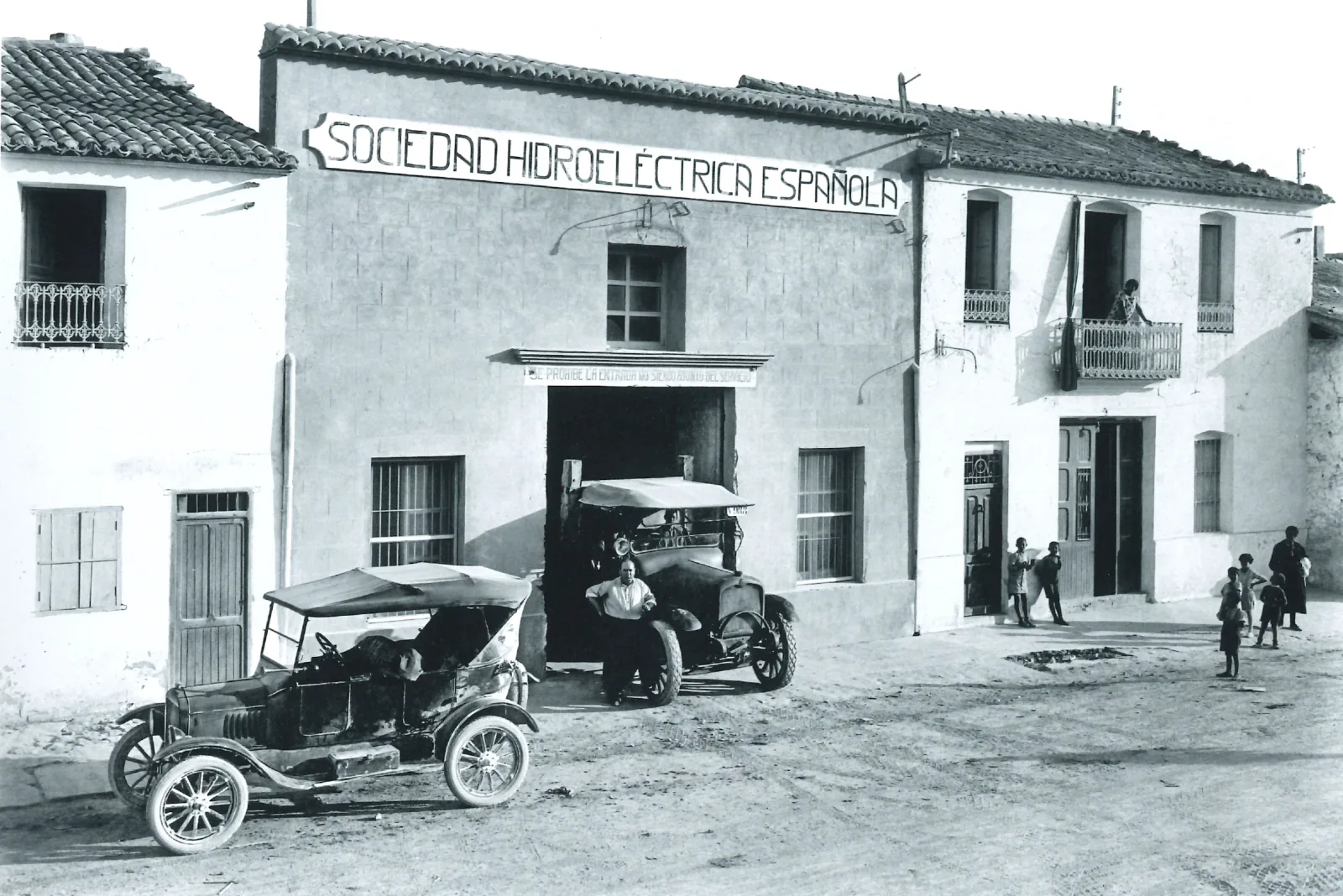
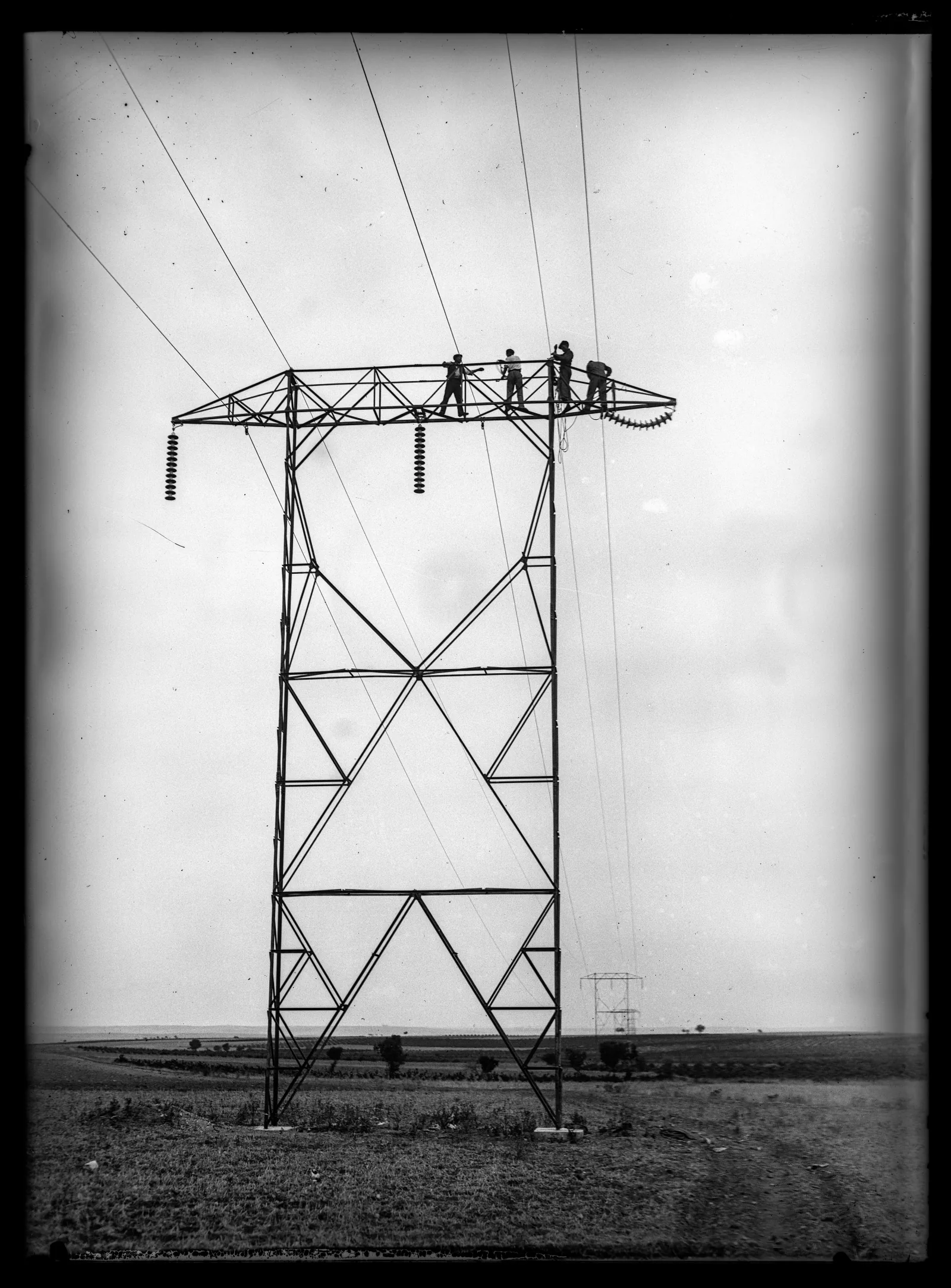
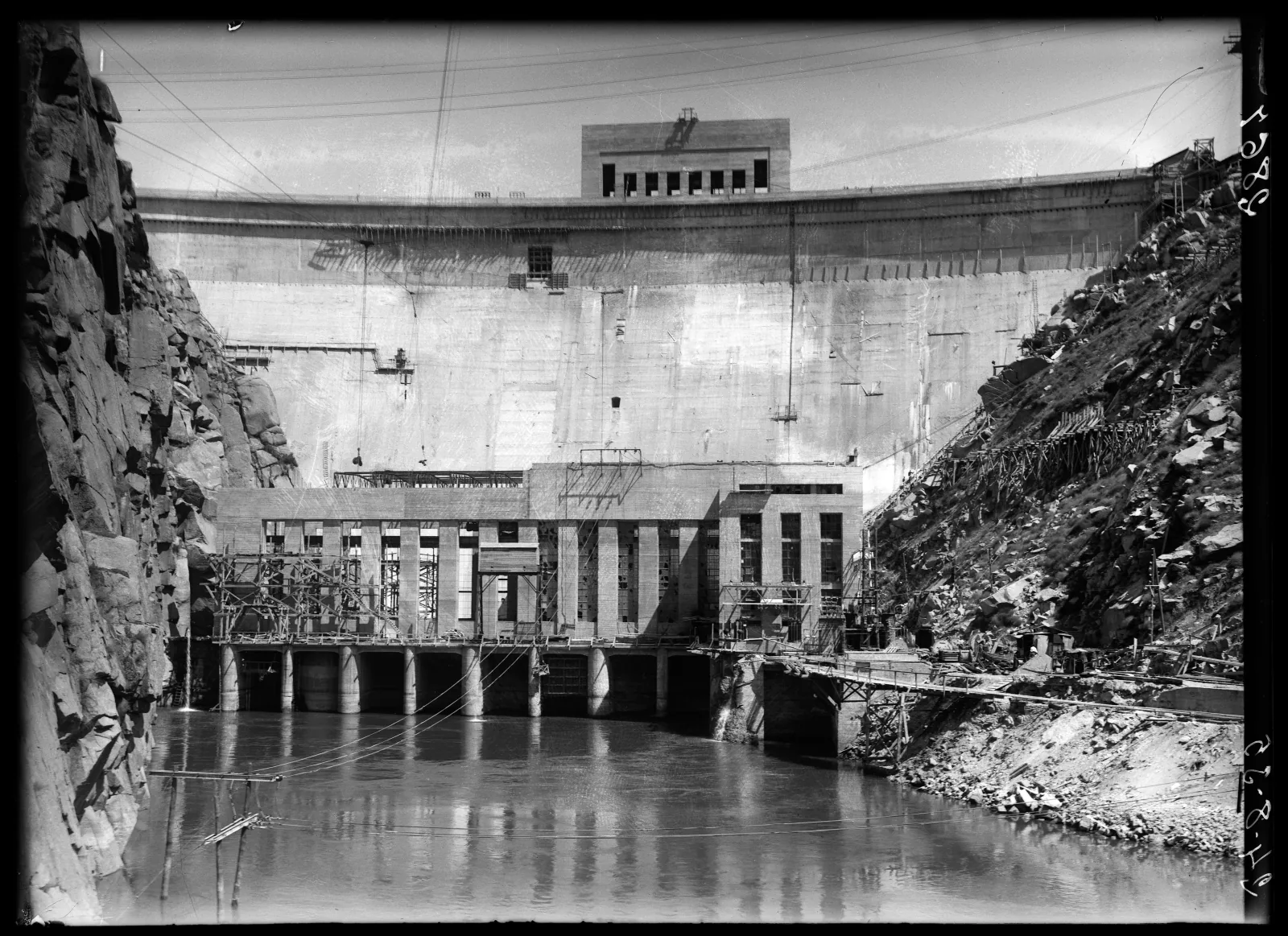
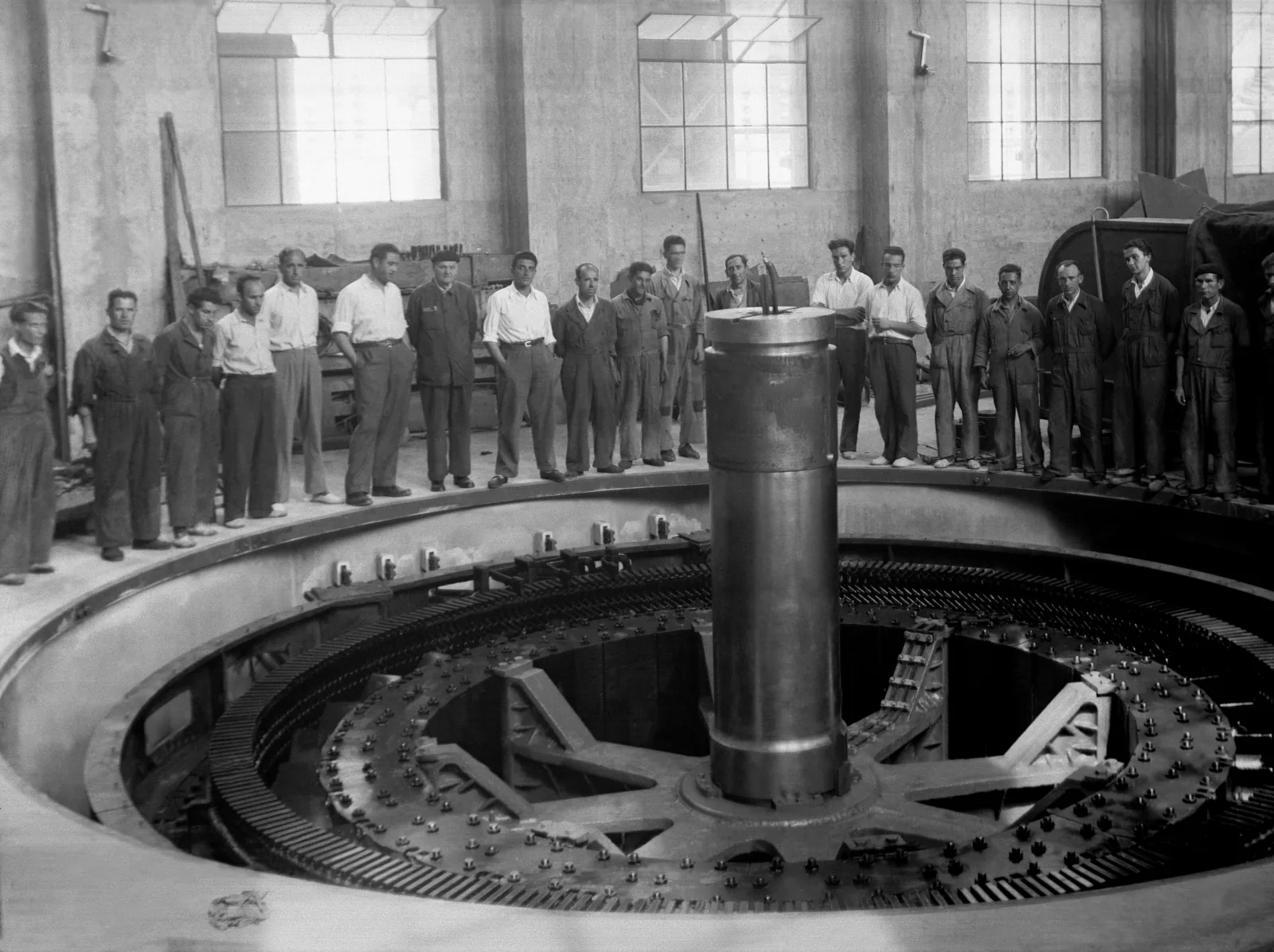
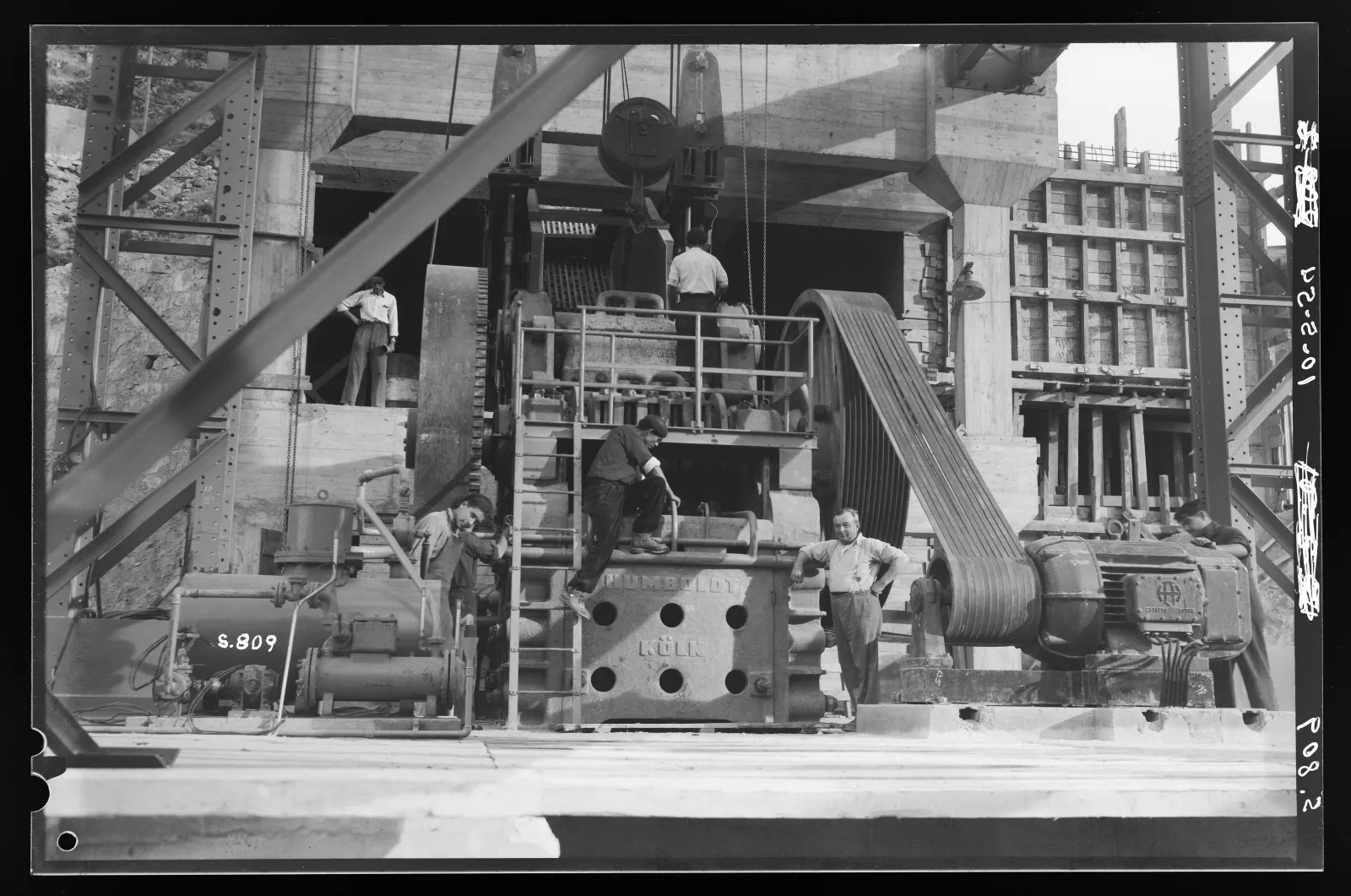
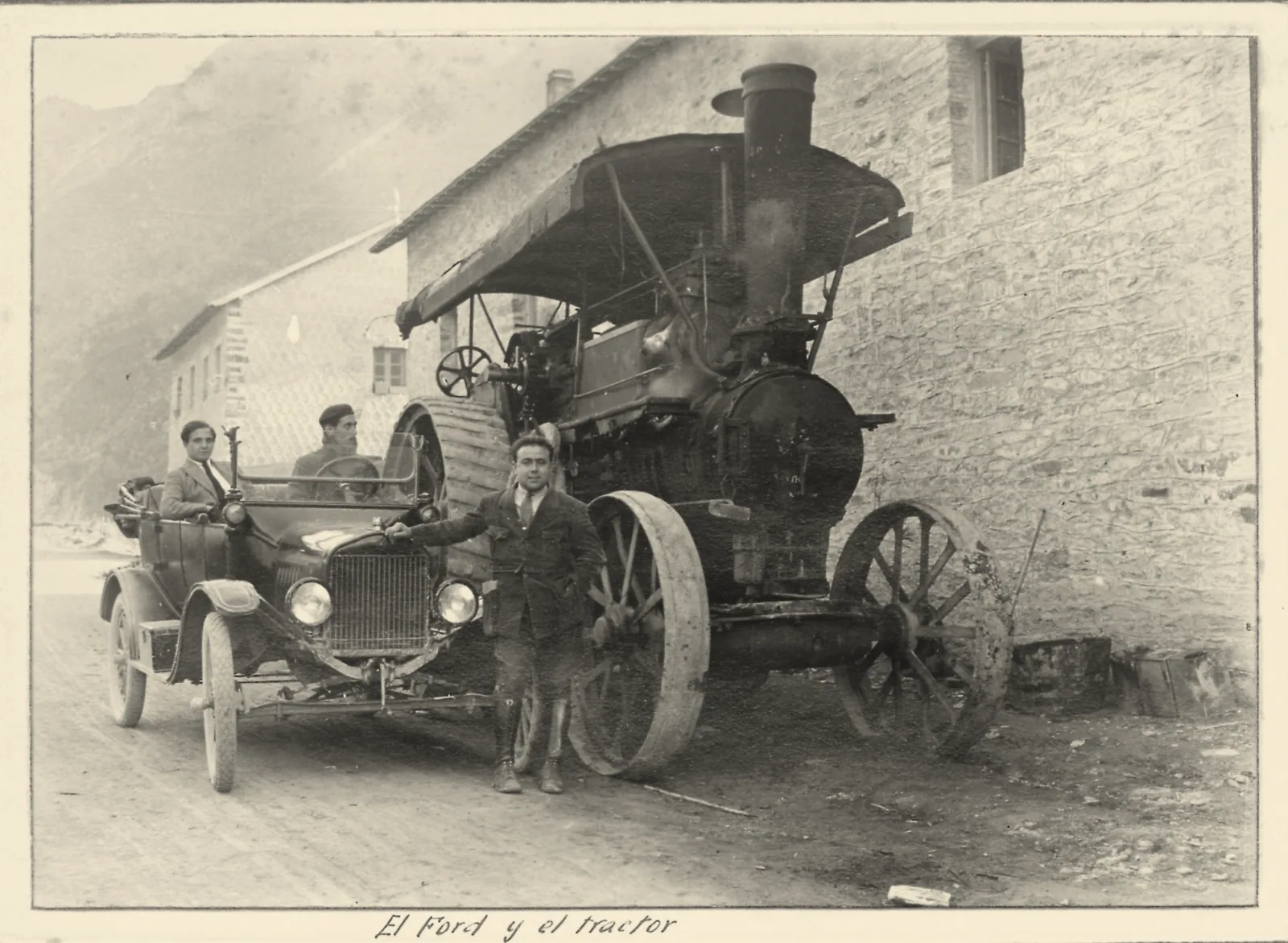
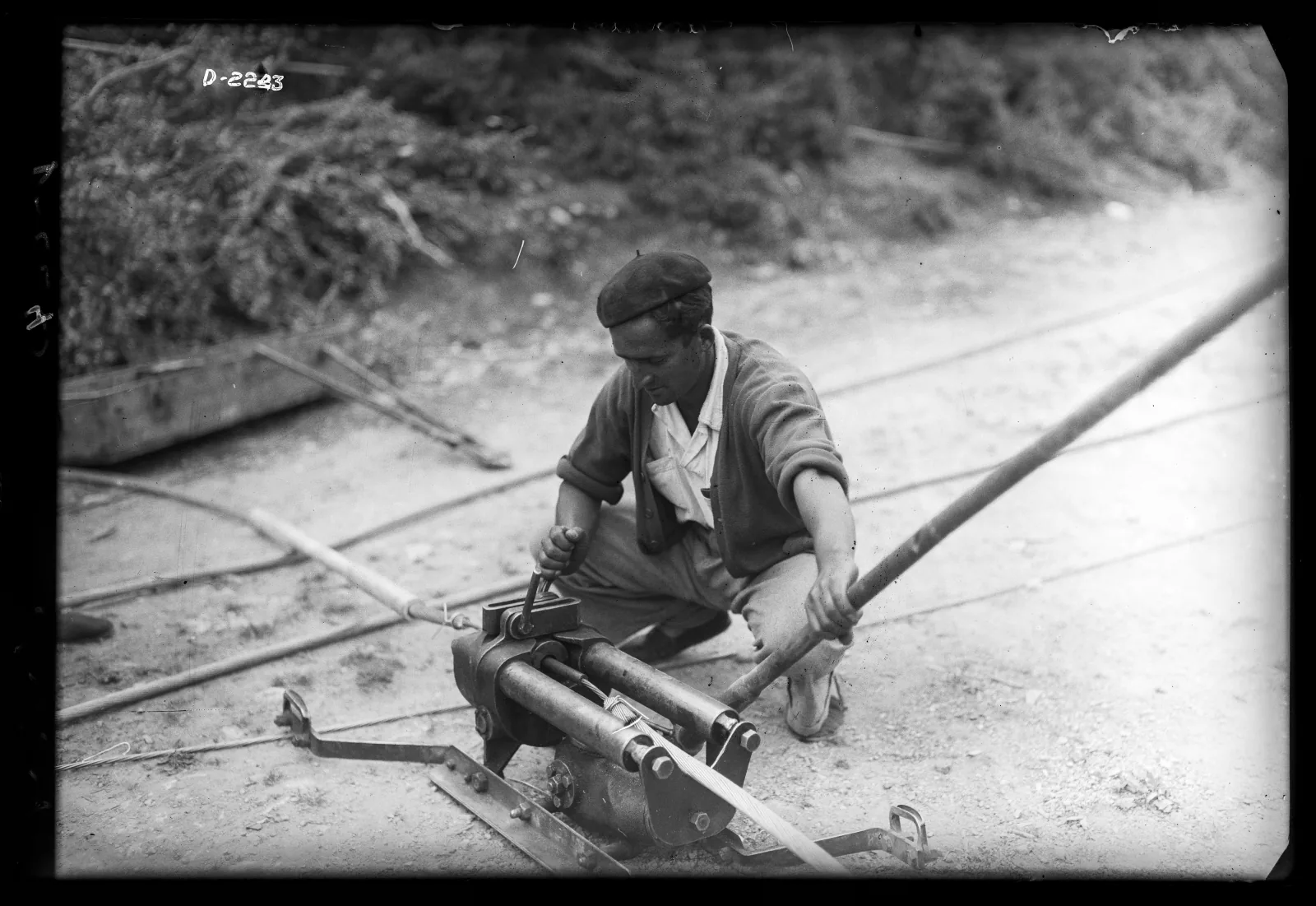
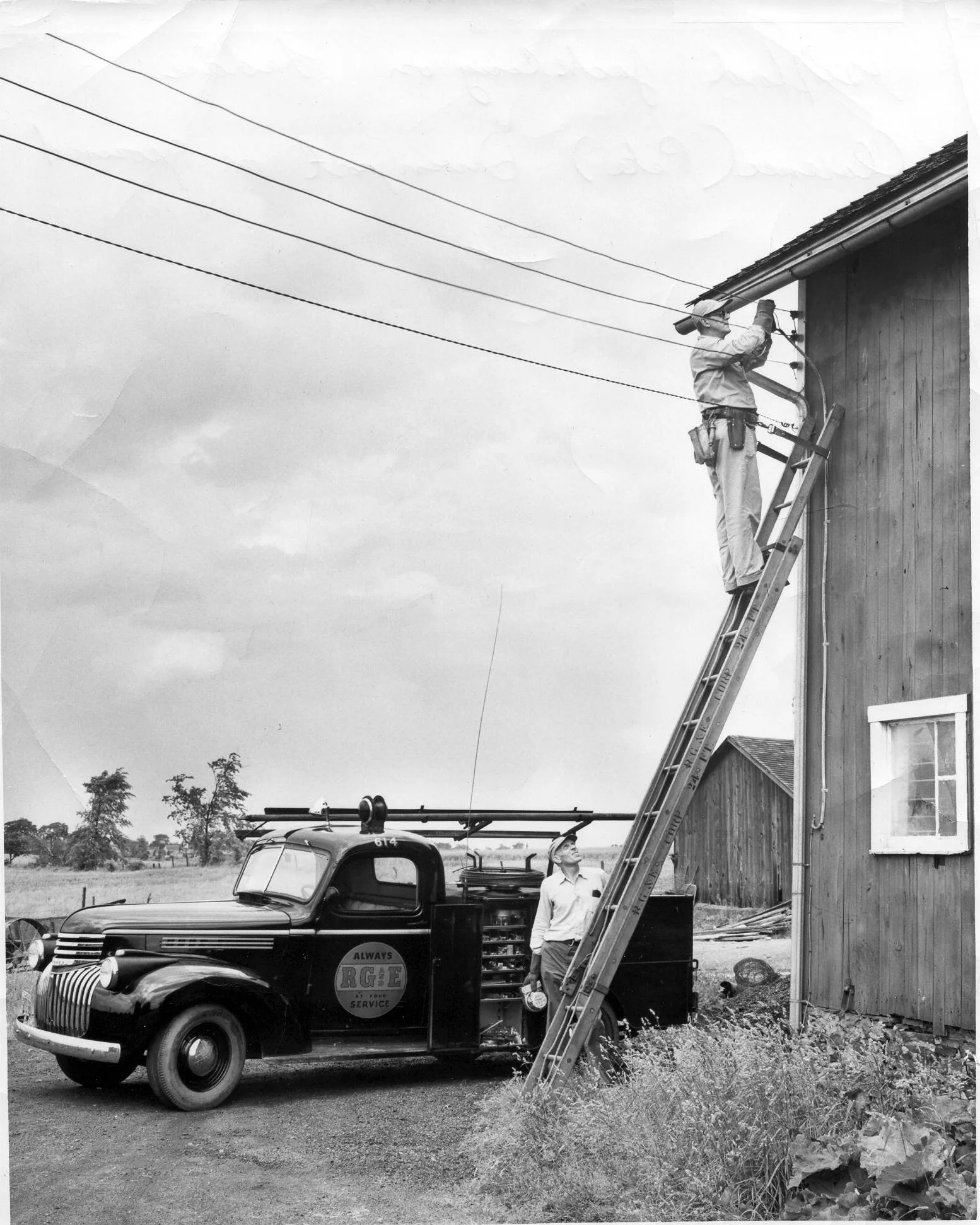
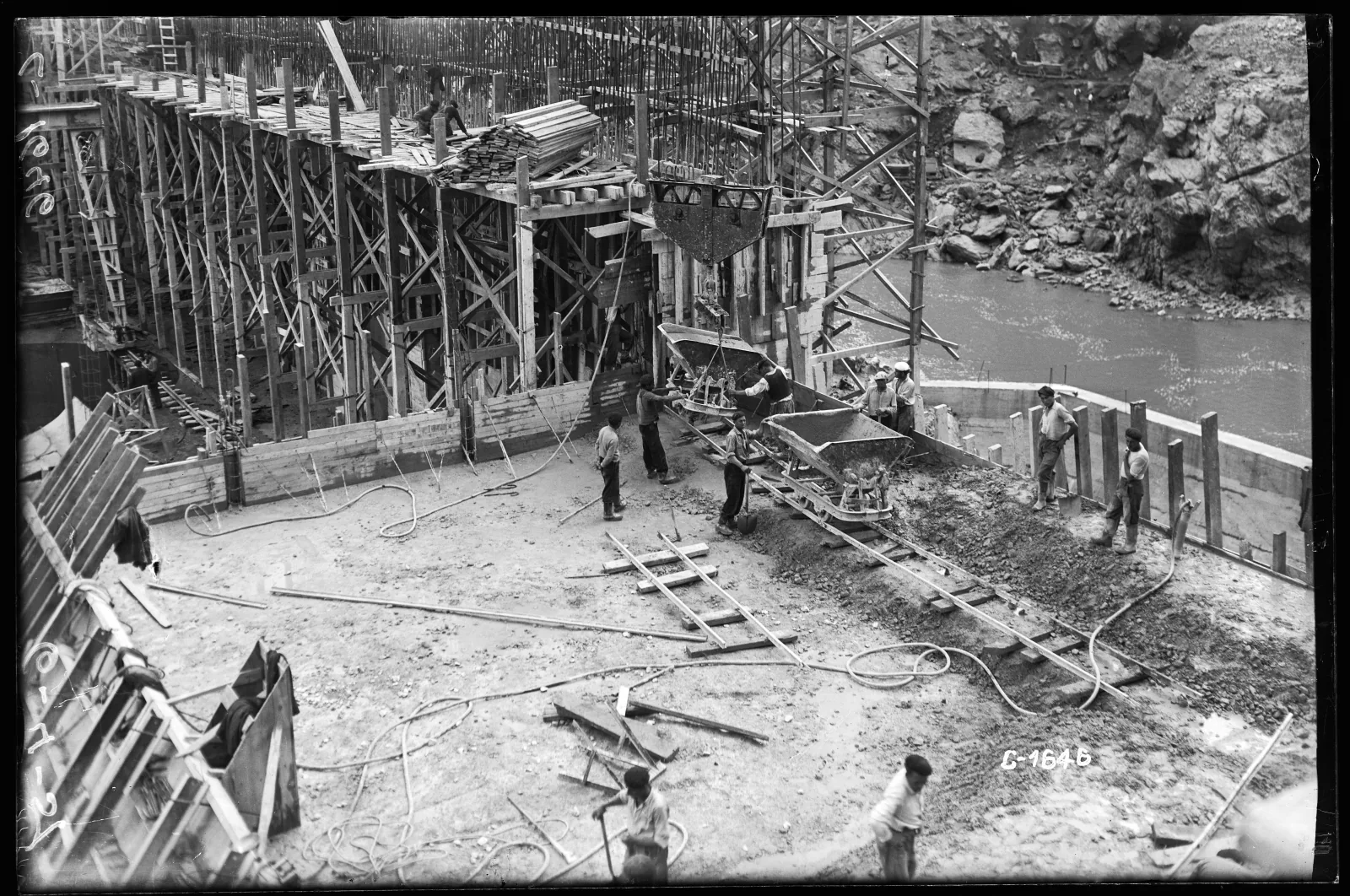
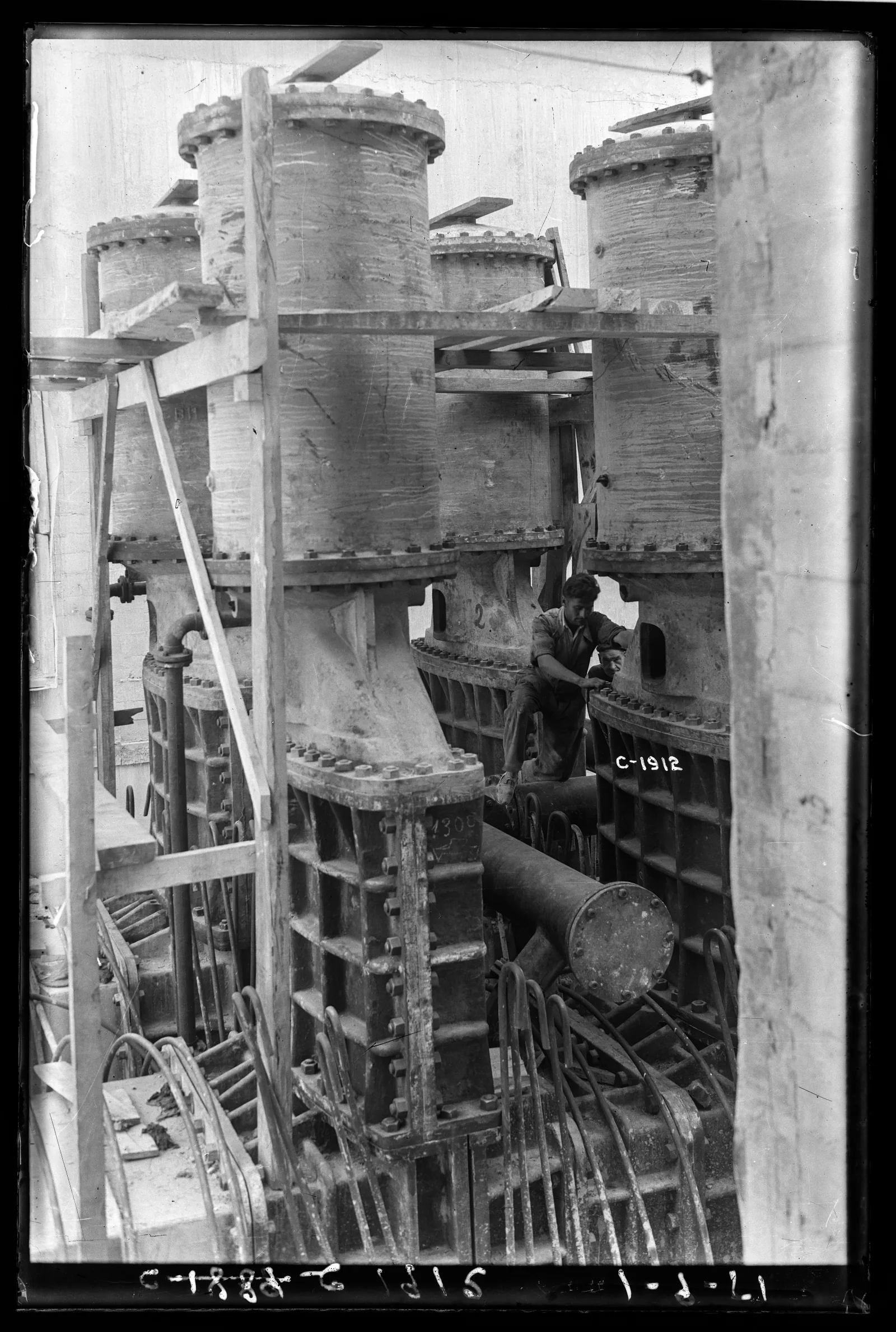
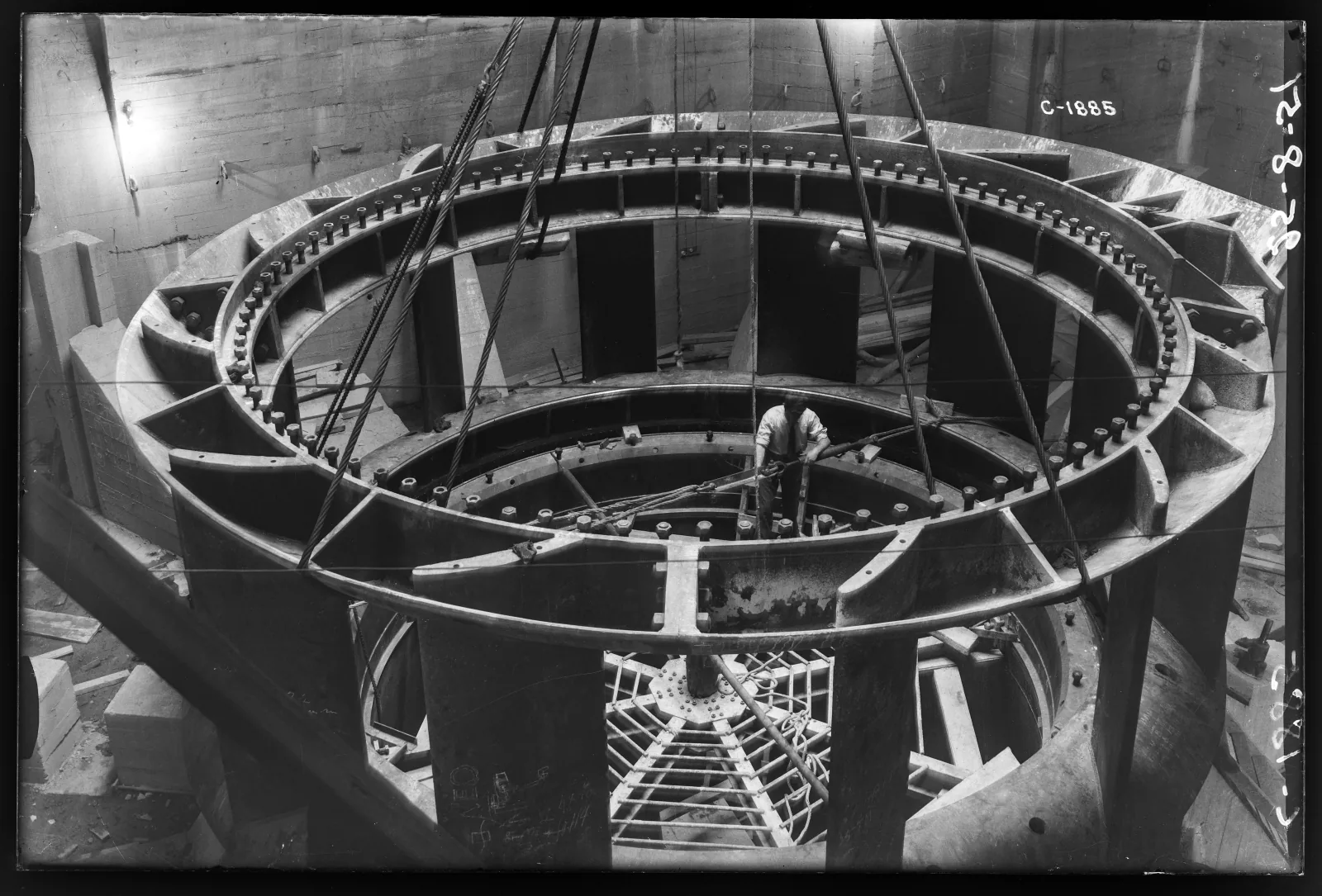
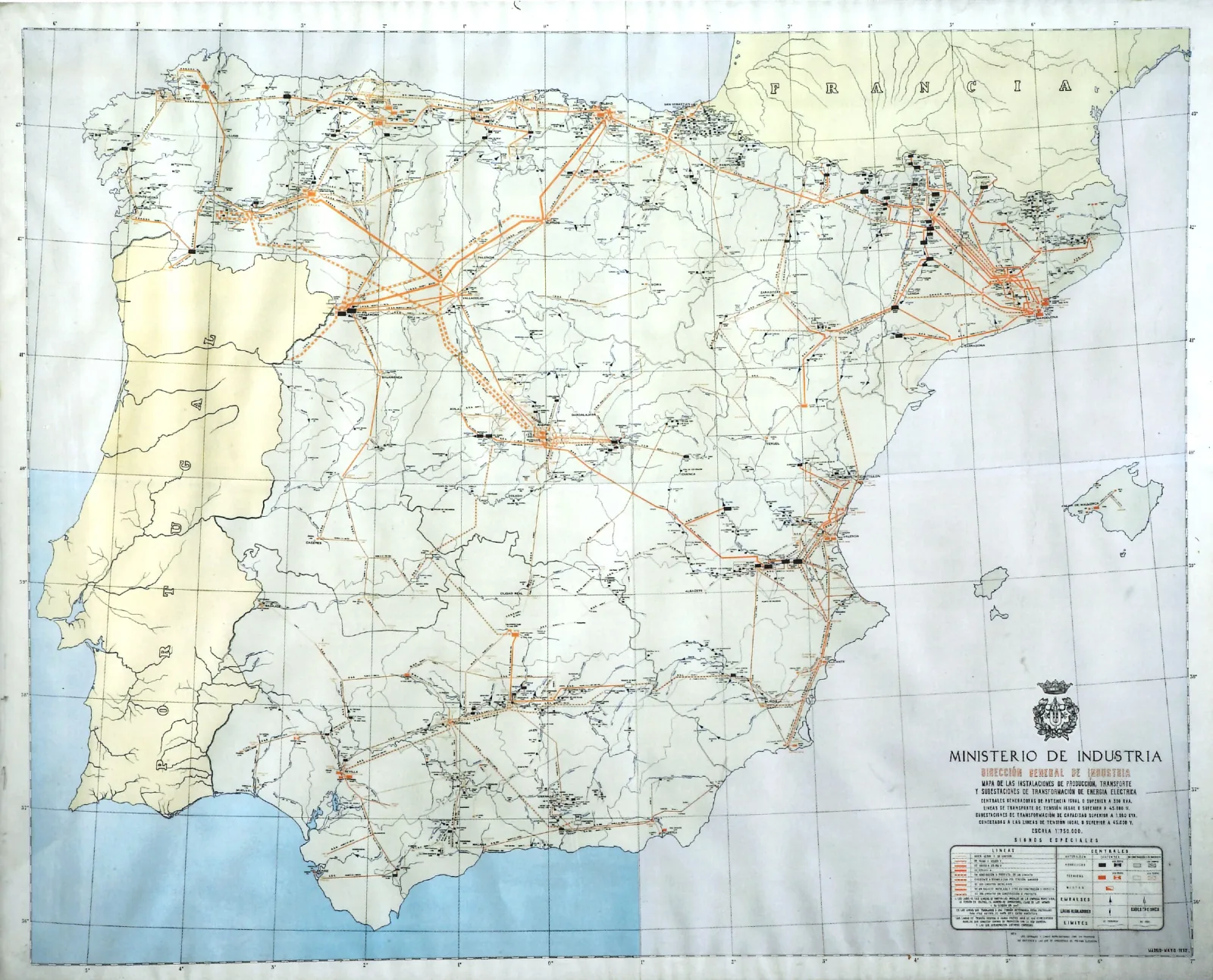
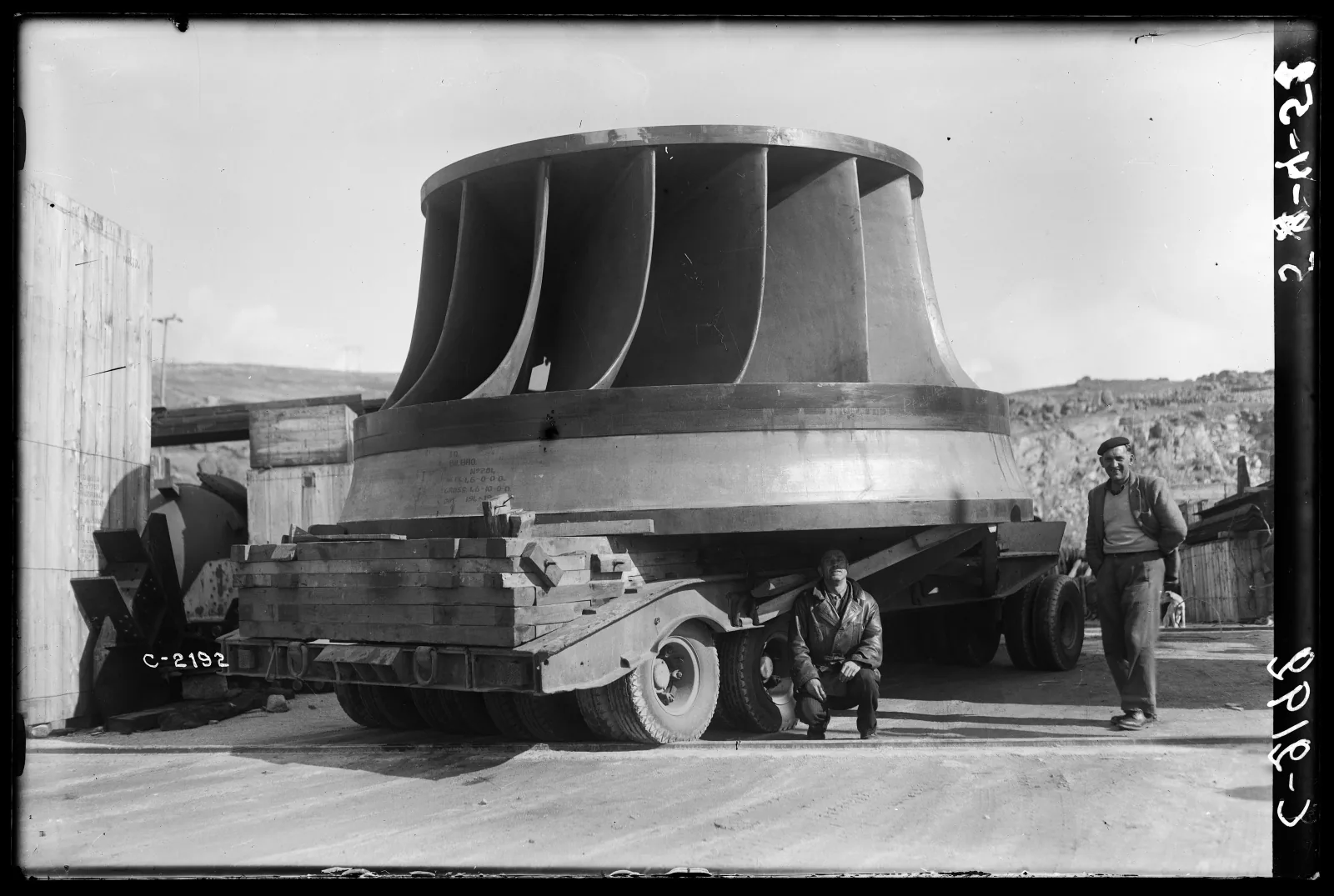
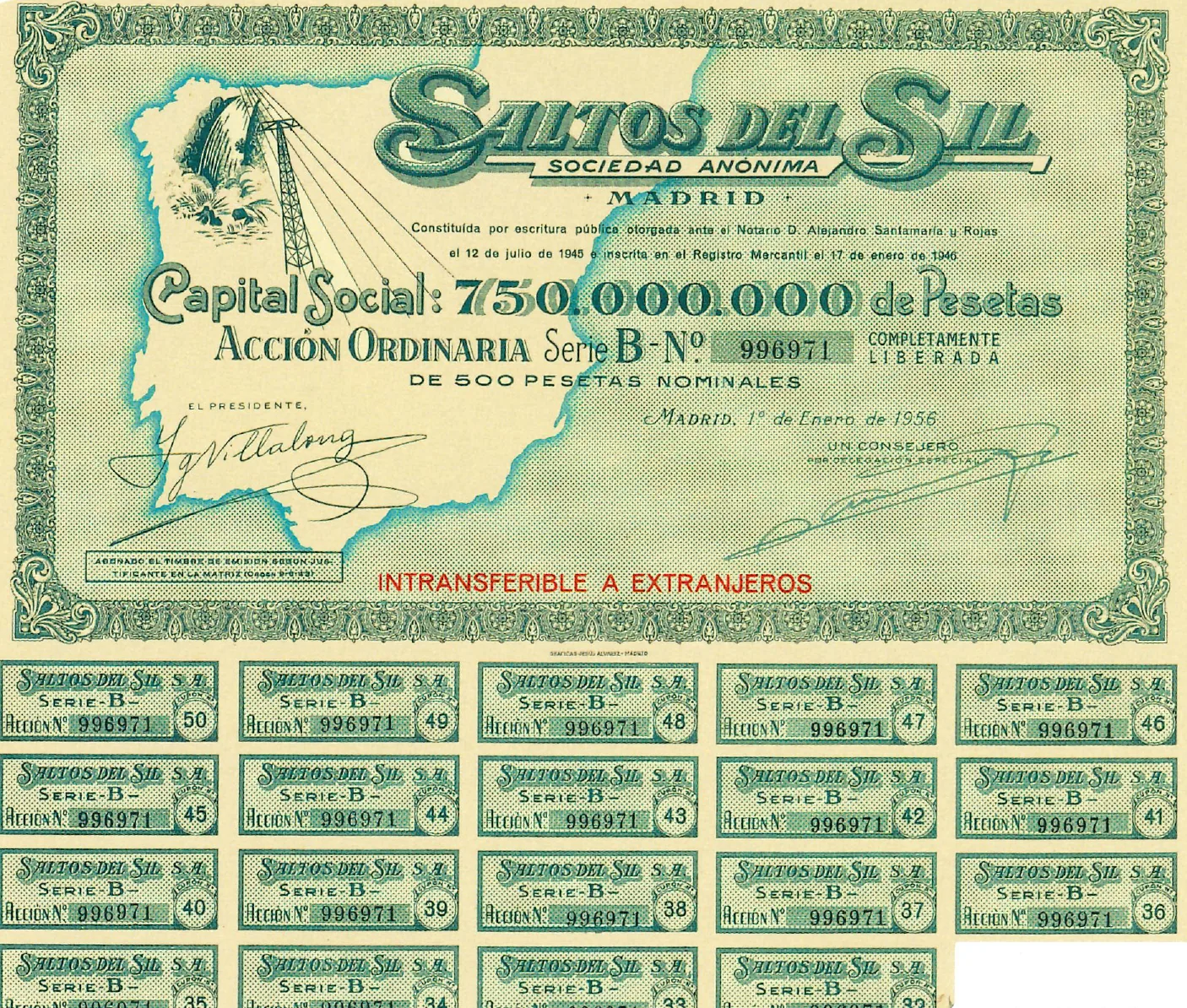
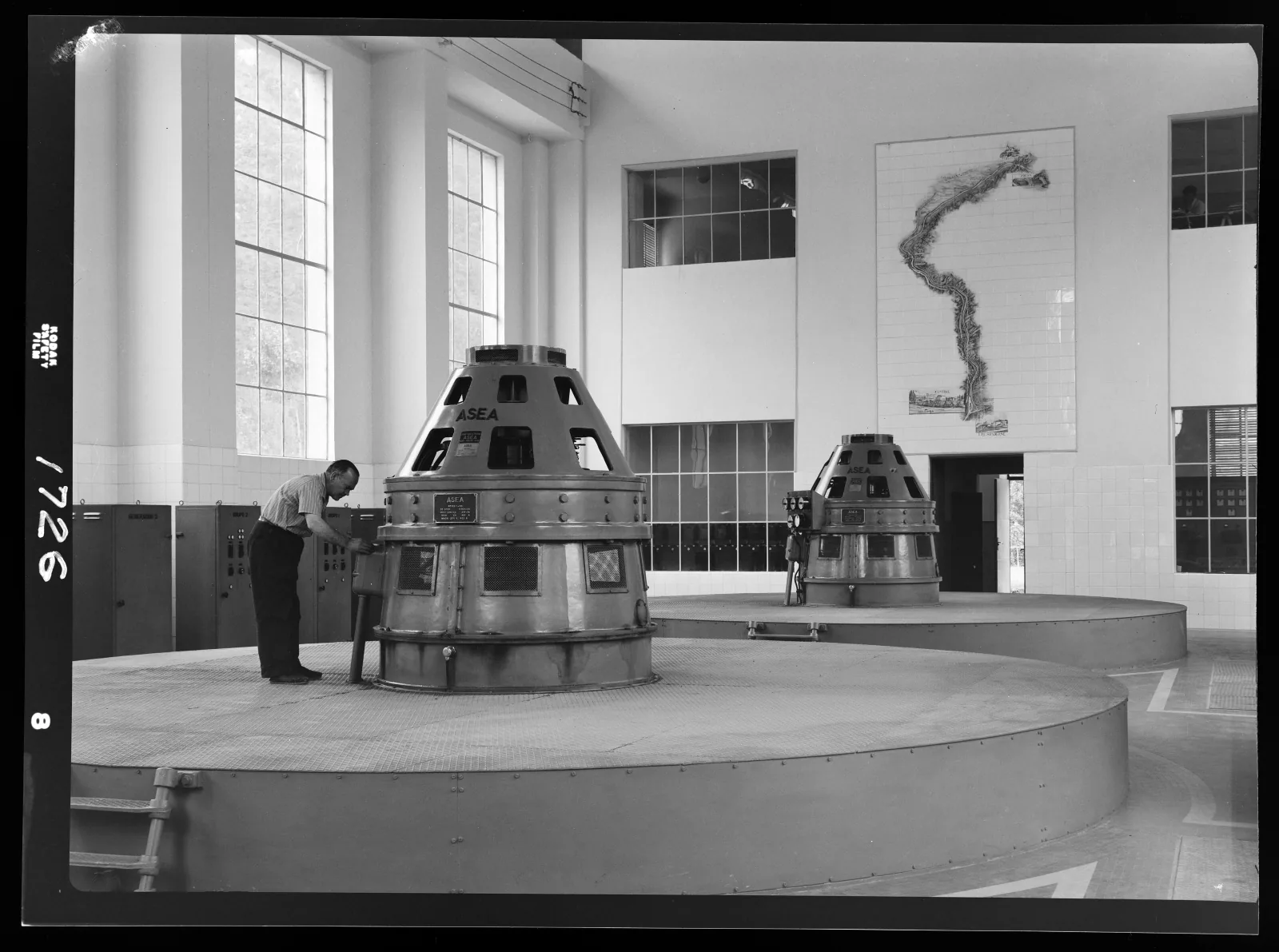
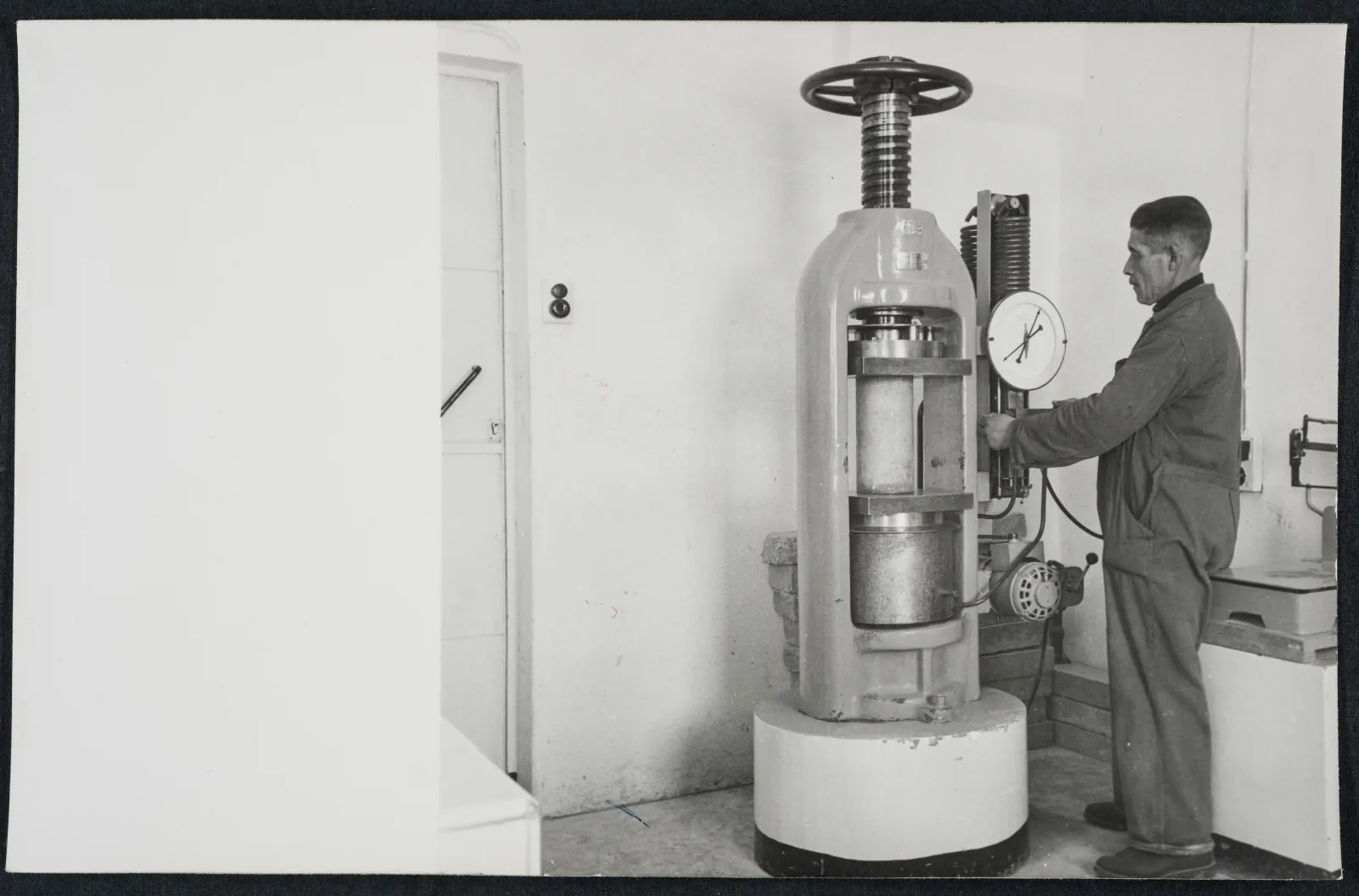
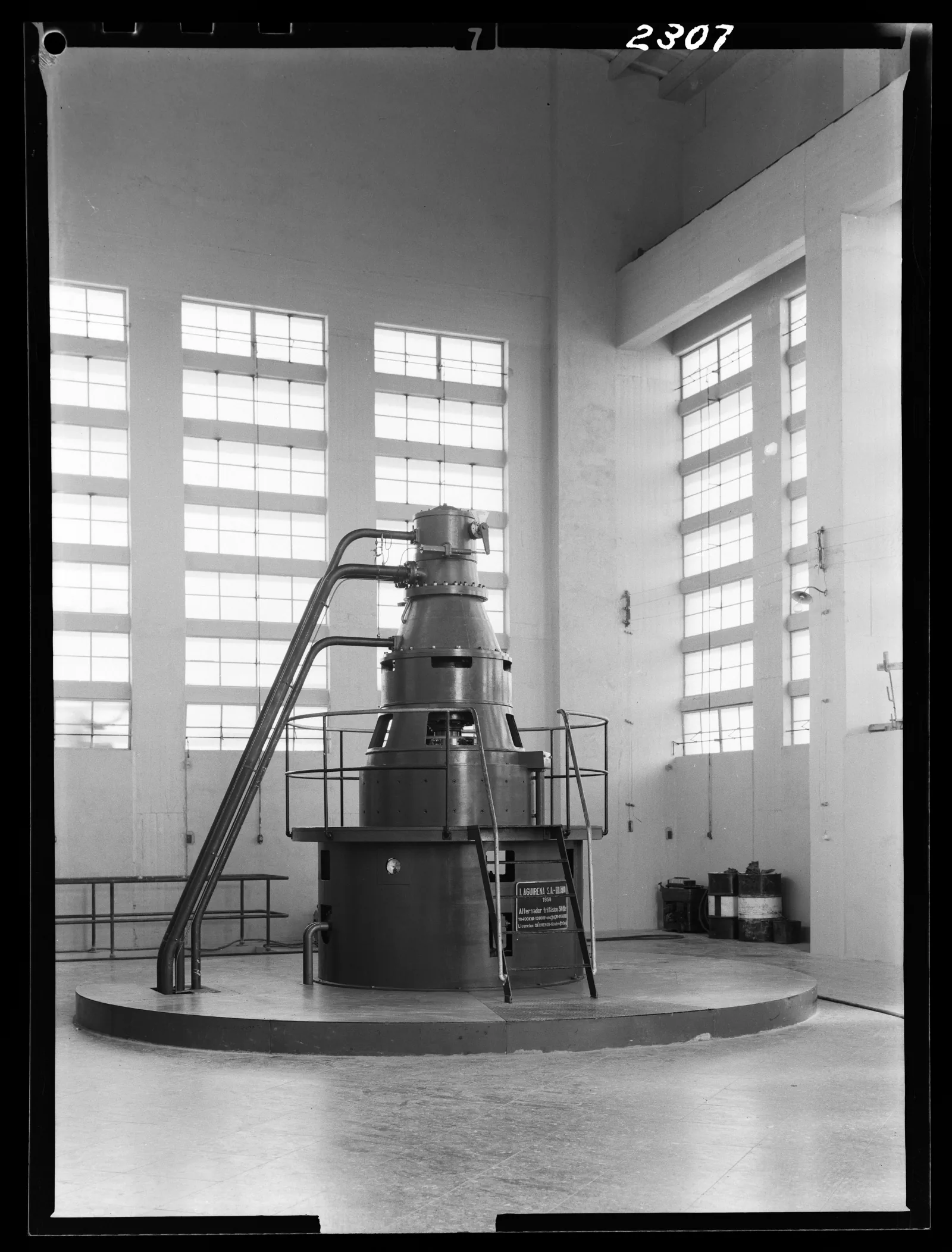
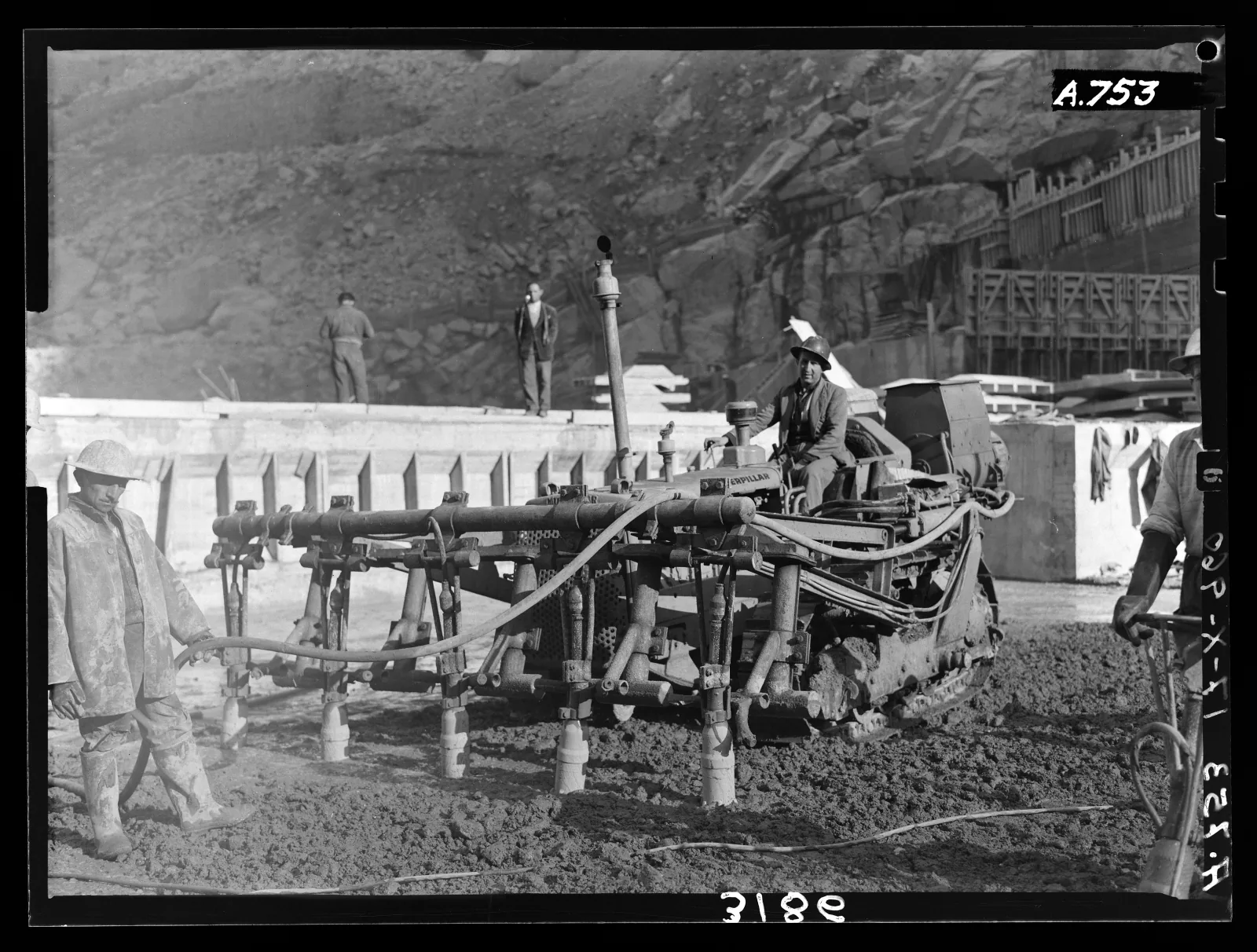
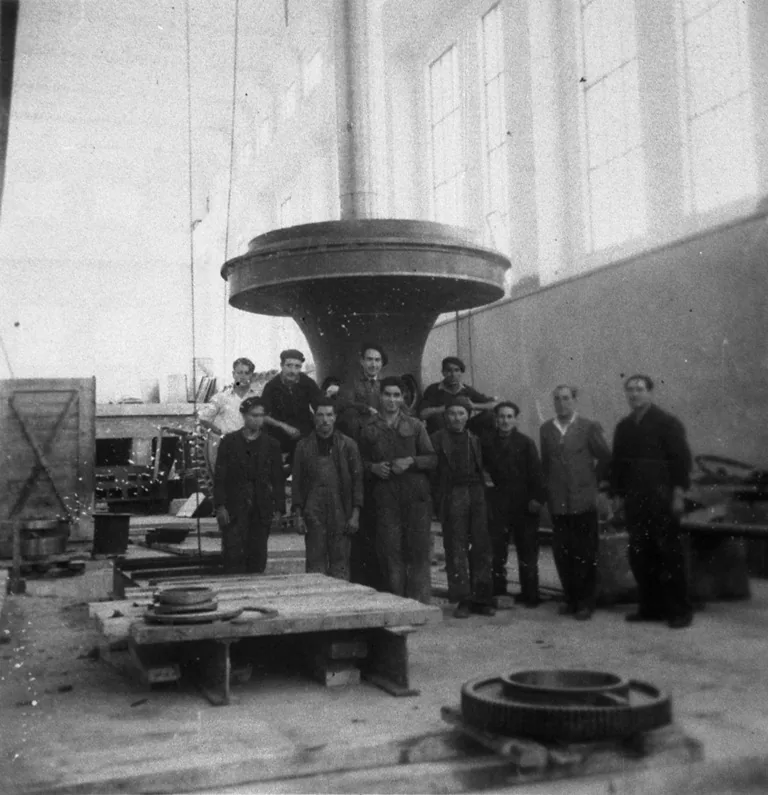
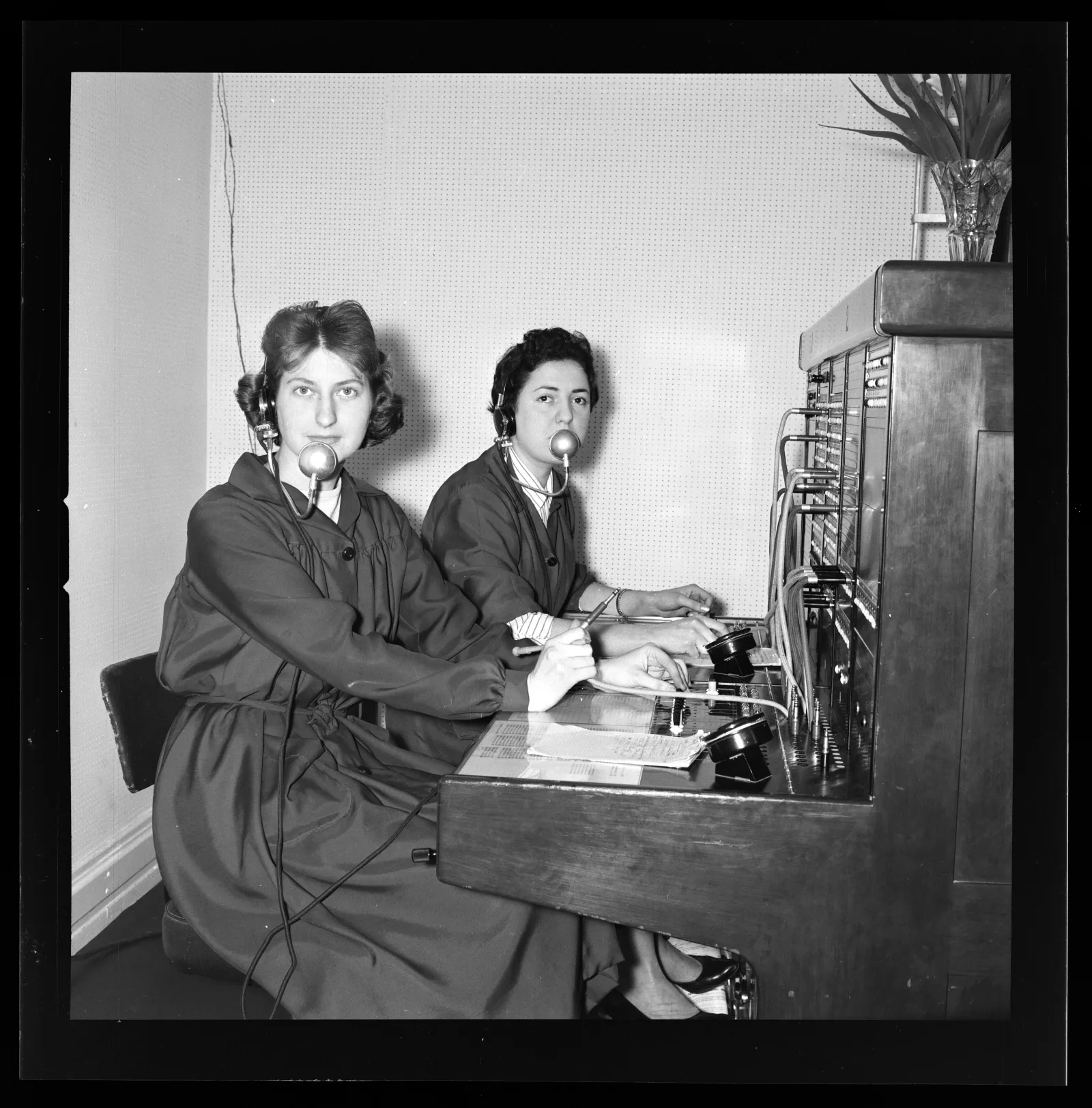
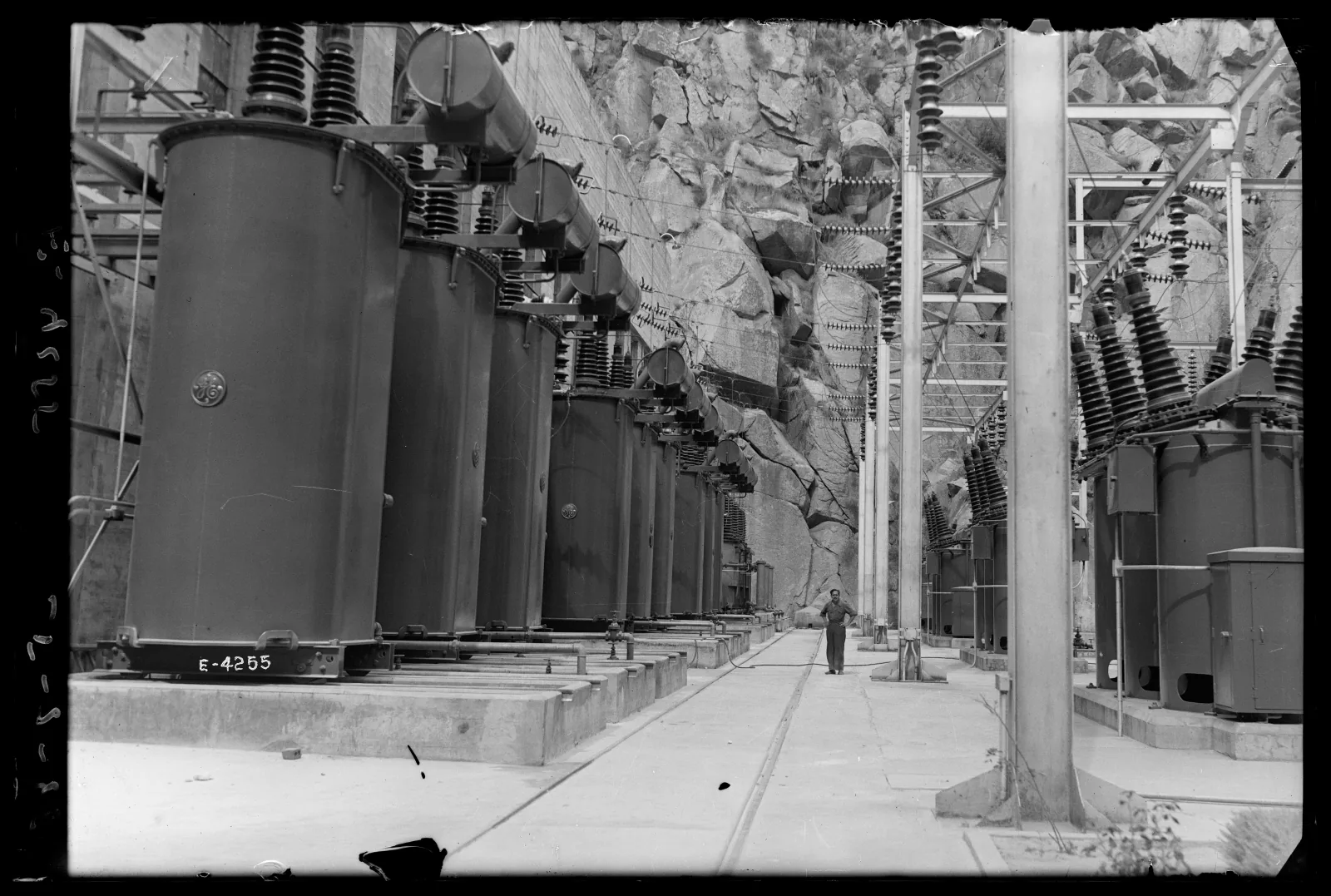
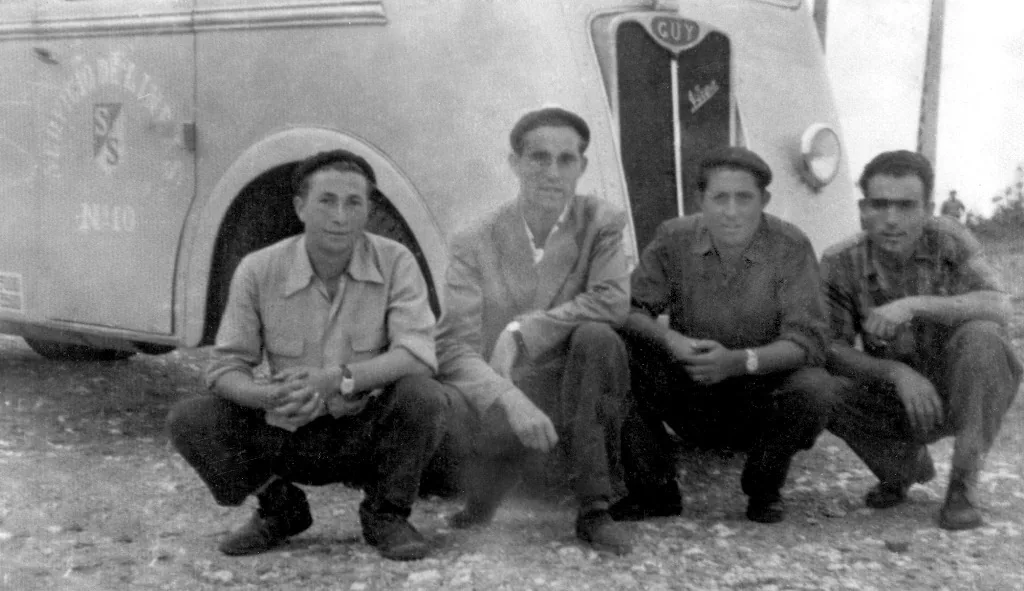
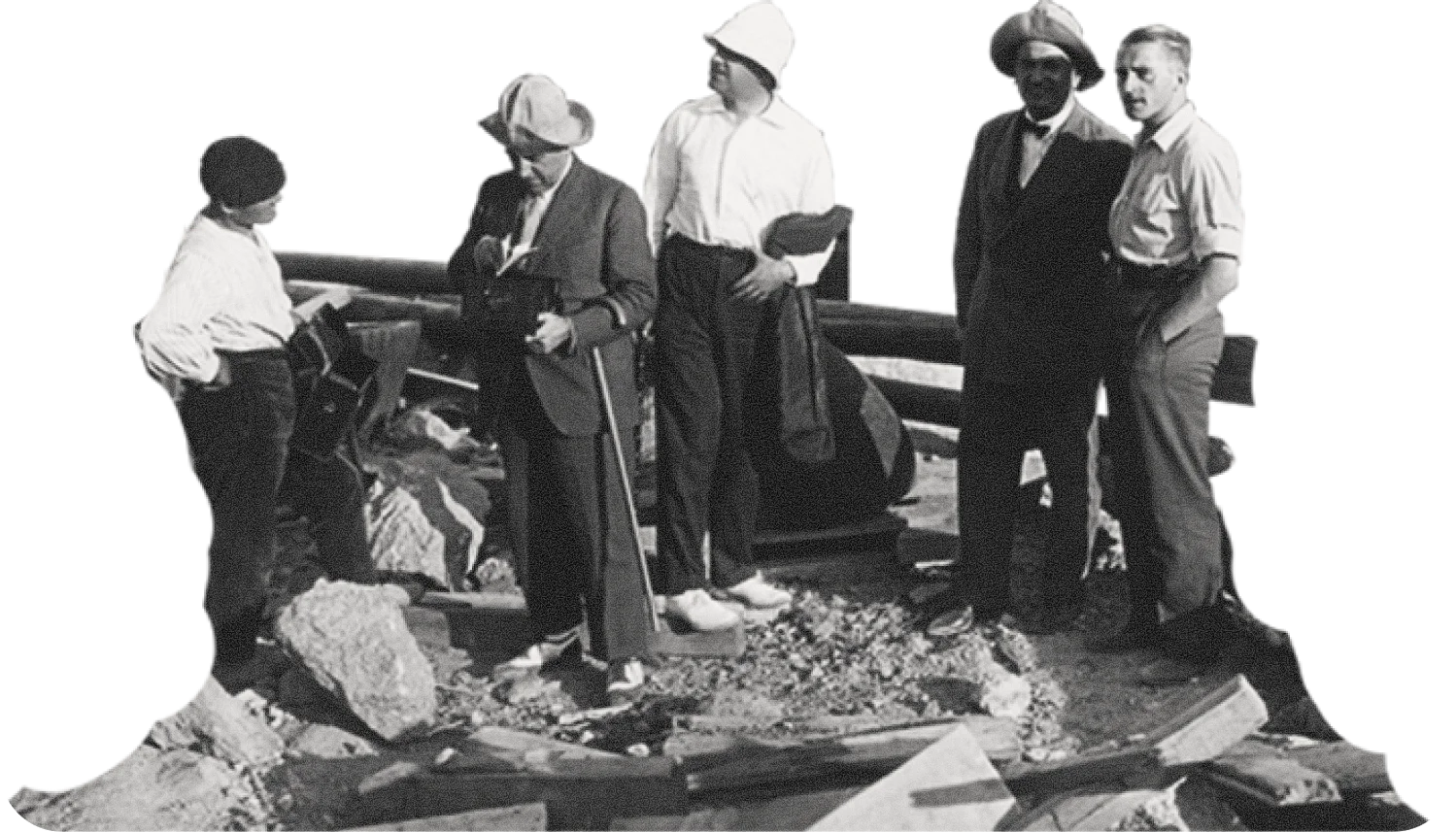
Visits to the Ricobayo hydropower plant, in Zamora, Spain (Spanish version).
1 of 32
Because the light we switched on more than a century ago now shines brighter than ever.
Celebrating 125 years of history in Spain
