
Years of development

Years of development 1961-2000

Key milestones of this period

1961

1963

Iberduero acquires Saltos del Sil, which had agreements with distribution companies in the central region and with Électricité de France. The purchase agreement was completed through the exchange of three Iberduero shares for four Saltos del Sil shares.

1964

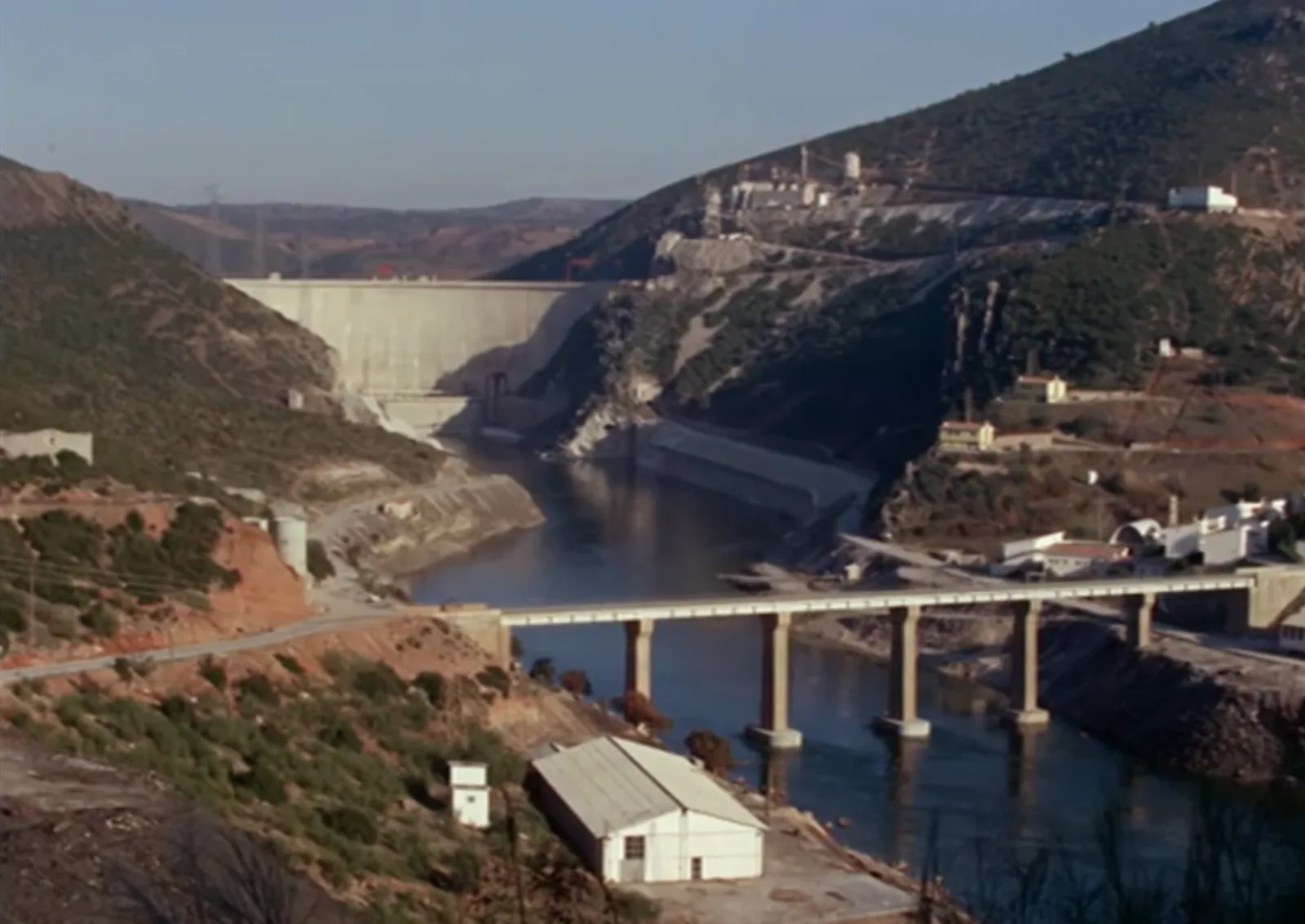
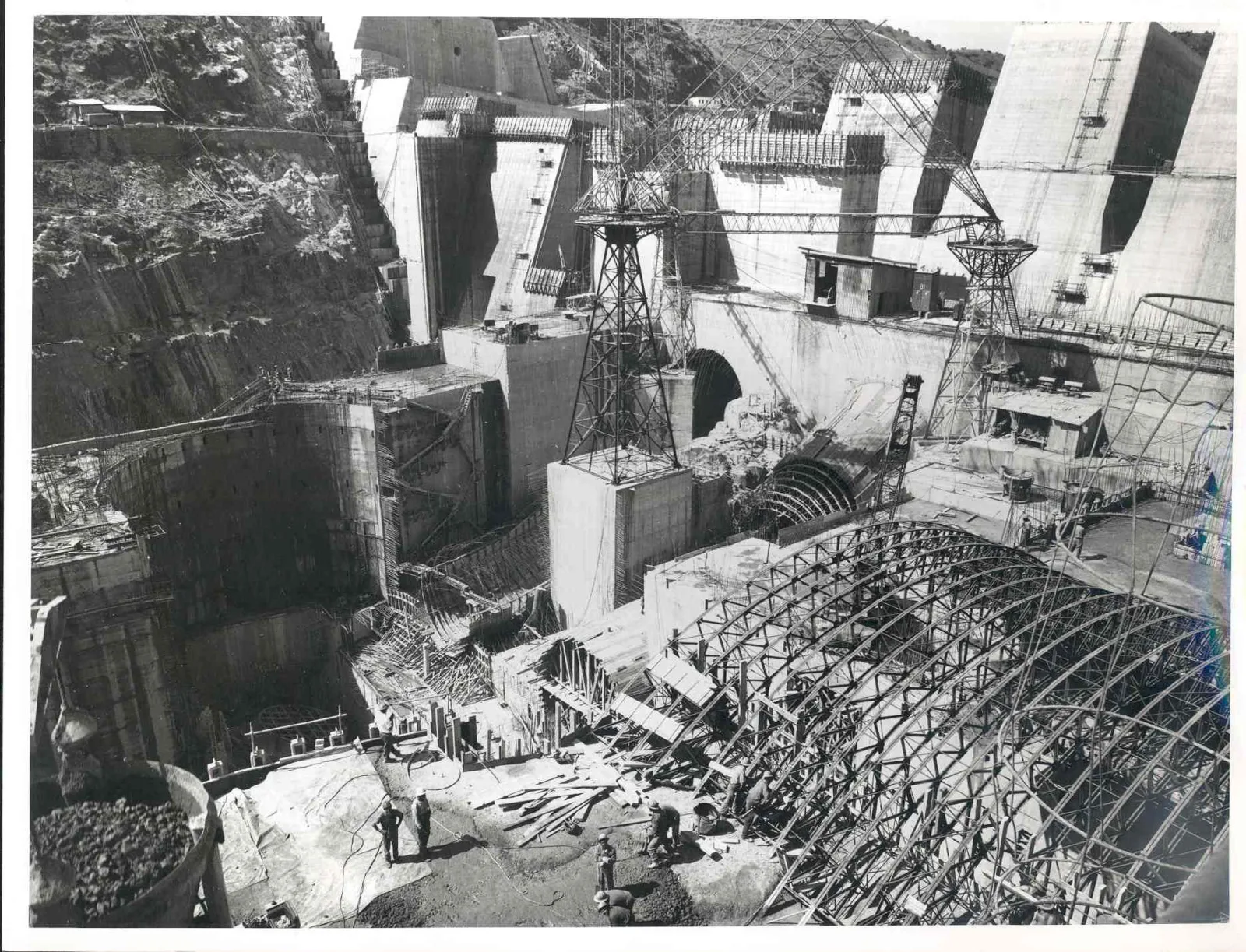
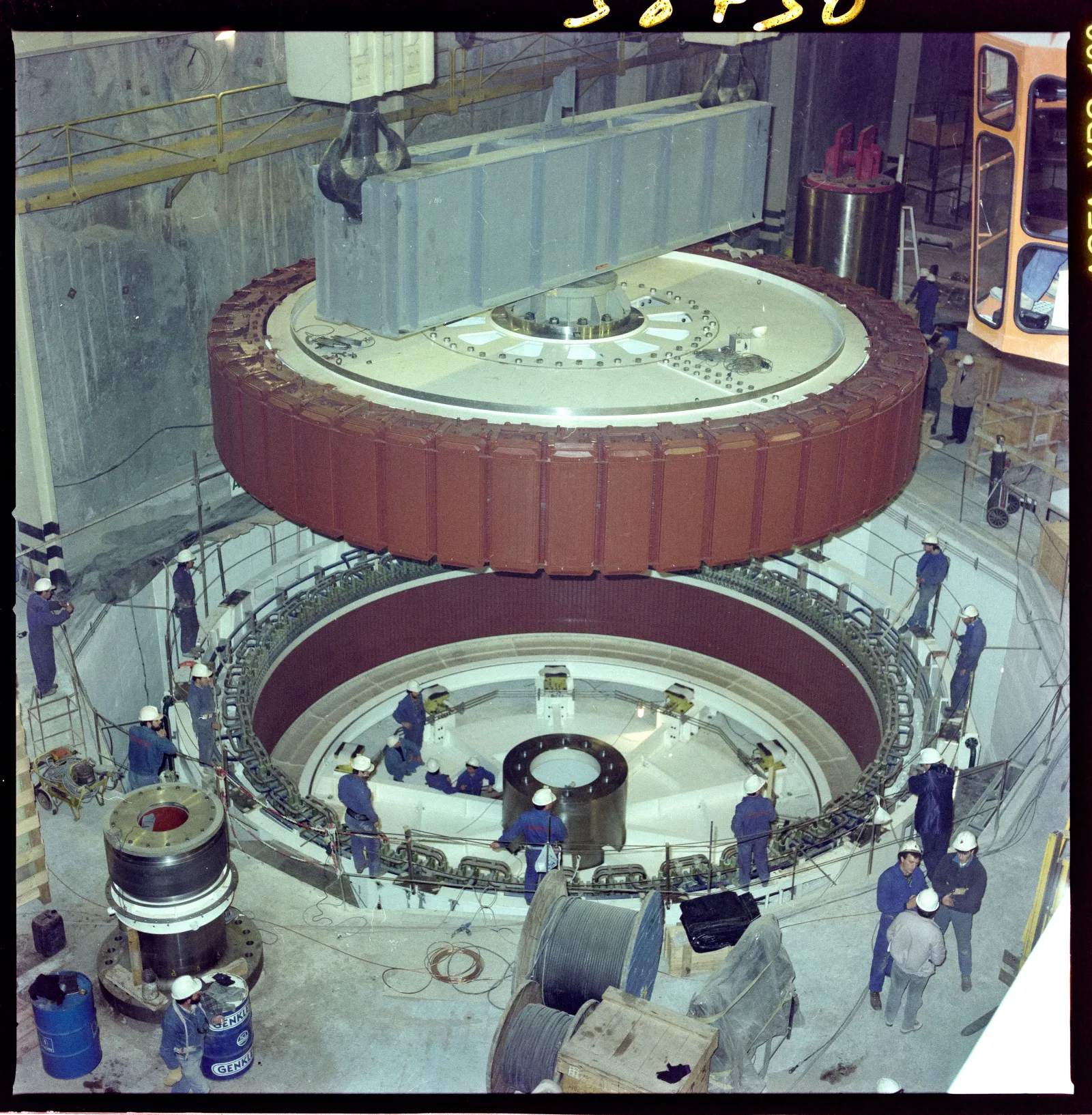
Commissioning of the Aldeadávila dam in Salamanca, on the River Duero.

1970

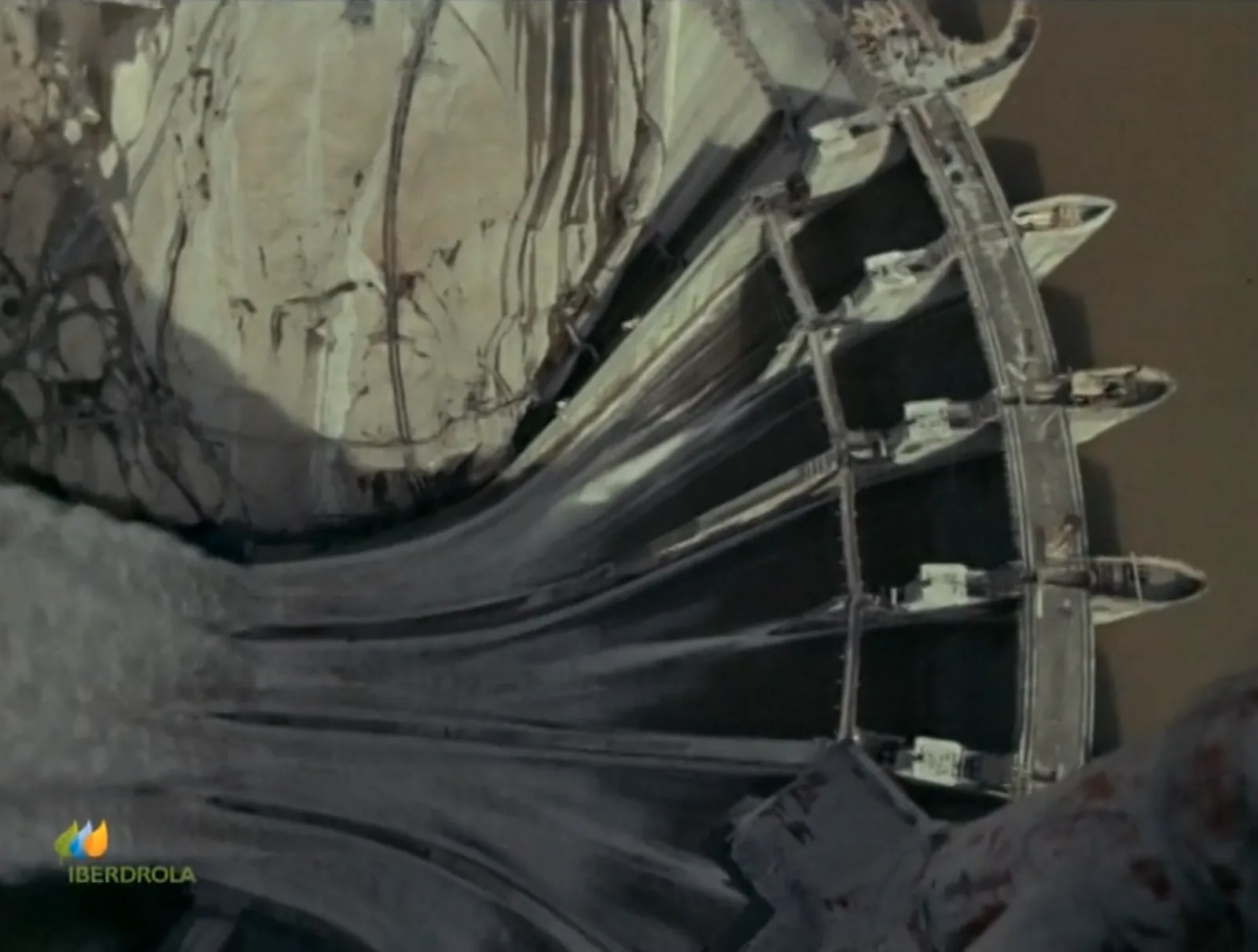
Inauguration of La Almendra dam, the highest in Spain, also known as the Villarino power plant.

1981

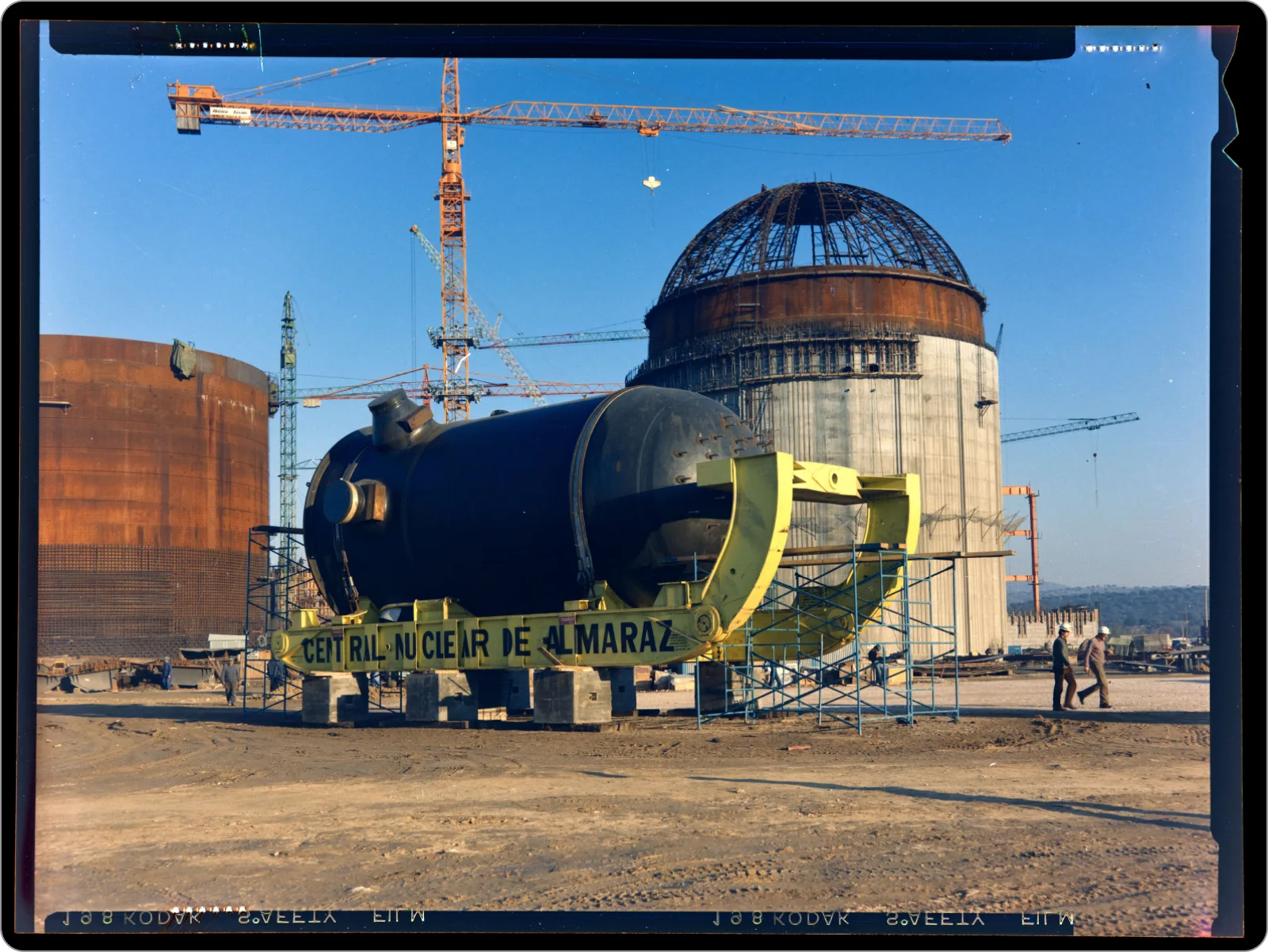
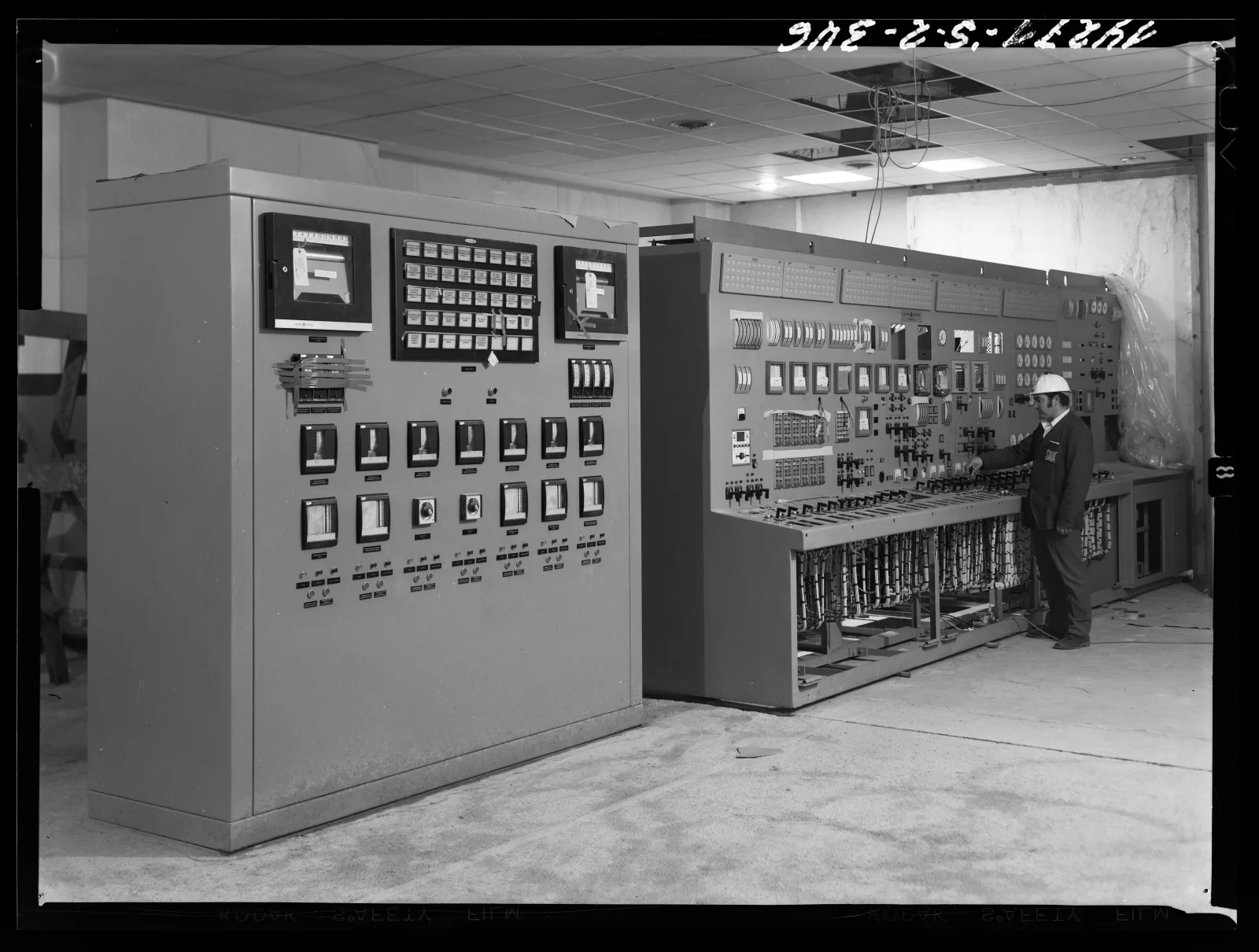
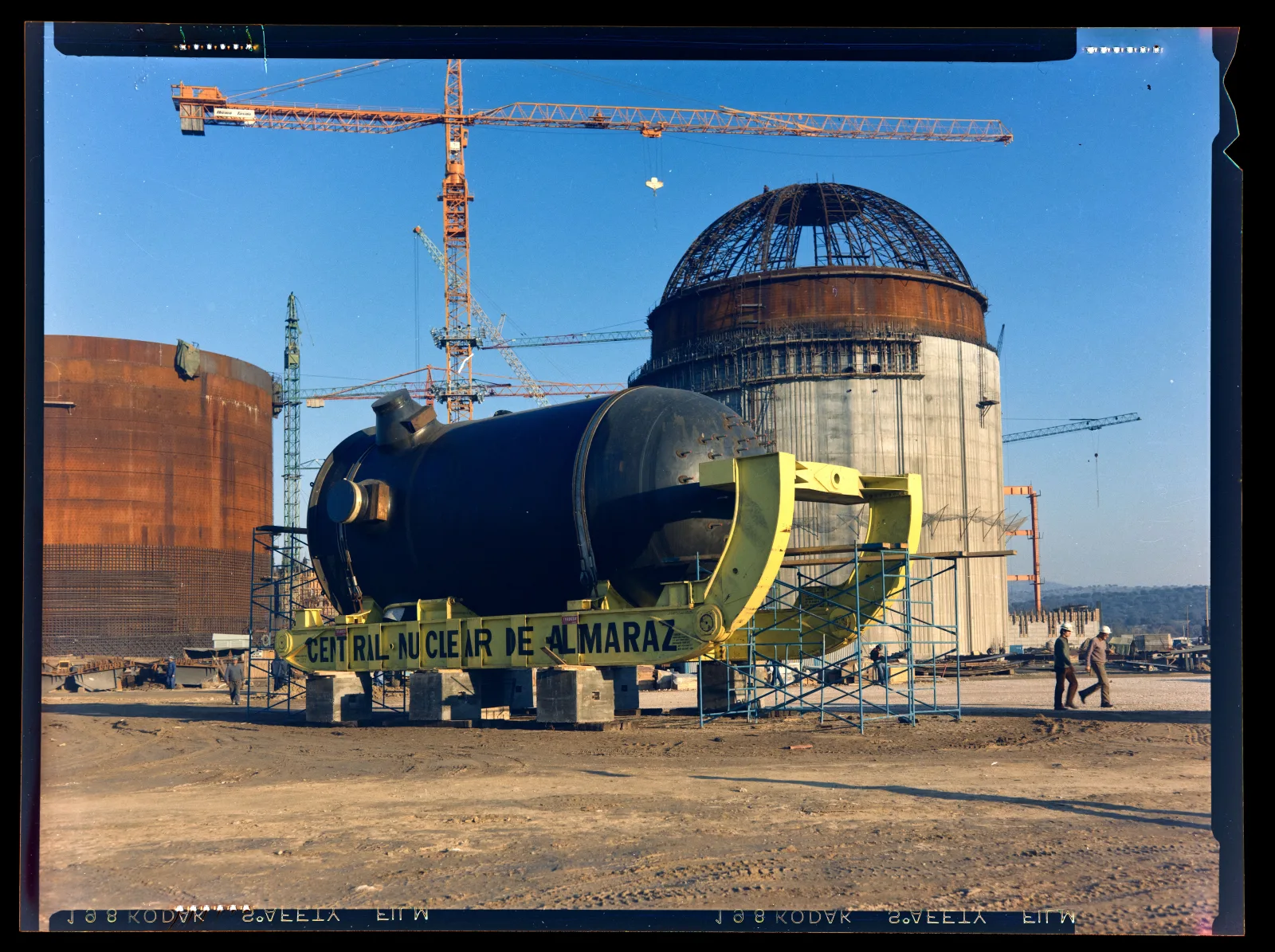
Hidroeléctrica Española begins commercial operation of the first unit at the Almaraz nuclear power plant (Cáceres).

1989

Commissioning of La Muela hydroelectric power plant (Spain).

1990

ScottishPower is established as part of the privatisation of the electricity sector in the United Kingdom.

1991

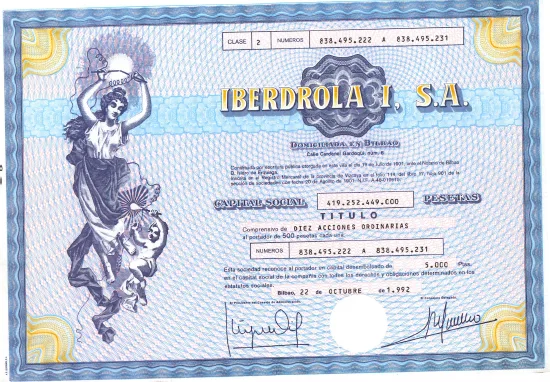
Iberdrola is created from the merger of Iberduero and Hidroeléctrica Española.

1997

Creation of Neoenergia, initially under the name Guaraniana.

1998

Energy East is founded, later becoming the origin of today’s Avangrid, following the merger of six companies in the United States.

2000

A new energy landscape

The 1960s marked a turning point in the history of energy. Confidence in progress and technological capability was high. In this context, the development of nuclear energy represented an unprecedented leap forward. Companies on both sides of the Atlantic – including those that would later form Iberdrola – entered a new era driven by the pursuit of efficiency, security and sustainability in electricity generation.

The 1970s brought expansion and change. Rapid industrial and urban growth led to a surge in energy demand, prompting a search for new energy sources and a wave of corporate integration aimed at strengthening structures and securing supply.

However, the international landscape was shaken in 1973 by the oil crisis. Global energy dependence was exposed, and the electricity sector emerged as a key player in ensuring stability and enabling recovery.

In the years that followed, privatisation and liberalisation processes began to reshape the energy landscape. Major companies moved towards more open, competitive and interconnected models, laying the groundwork for the sector’s transformation into a truly global industry.

Anticipating the global energy transition

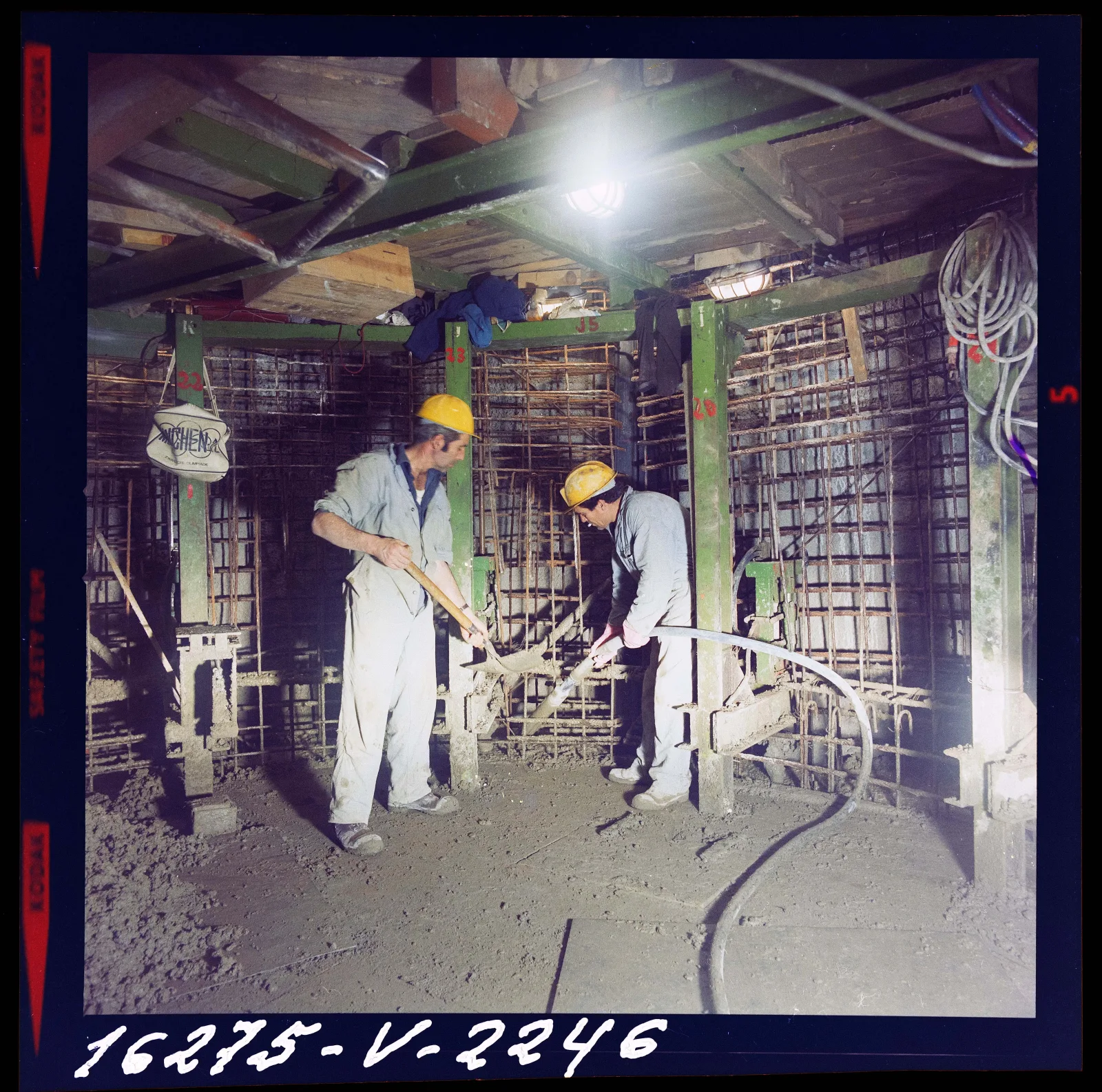
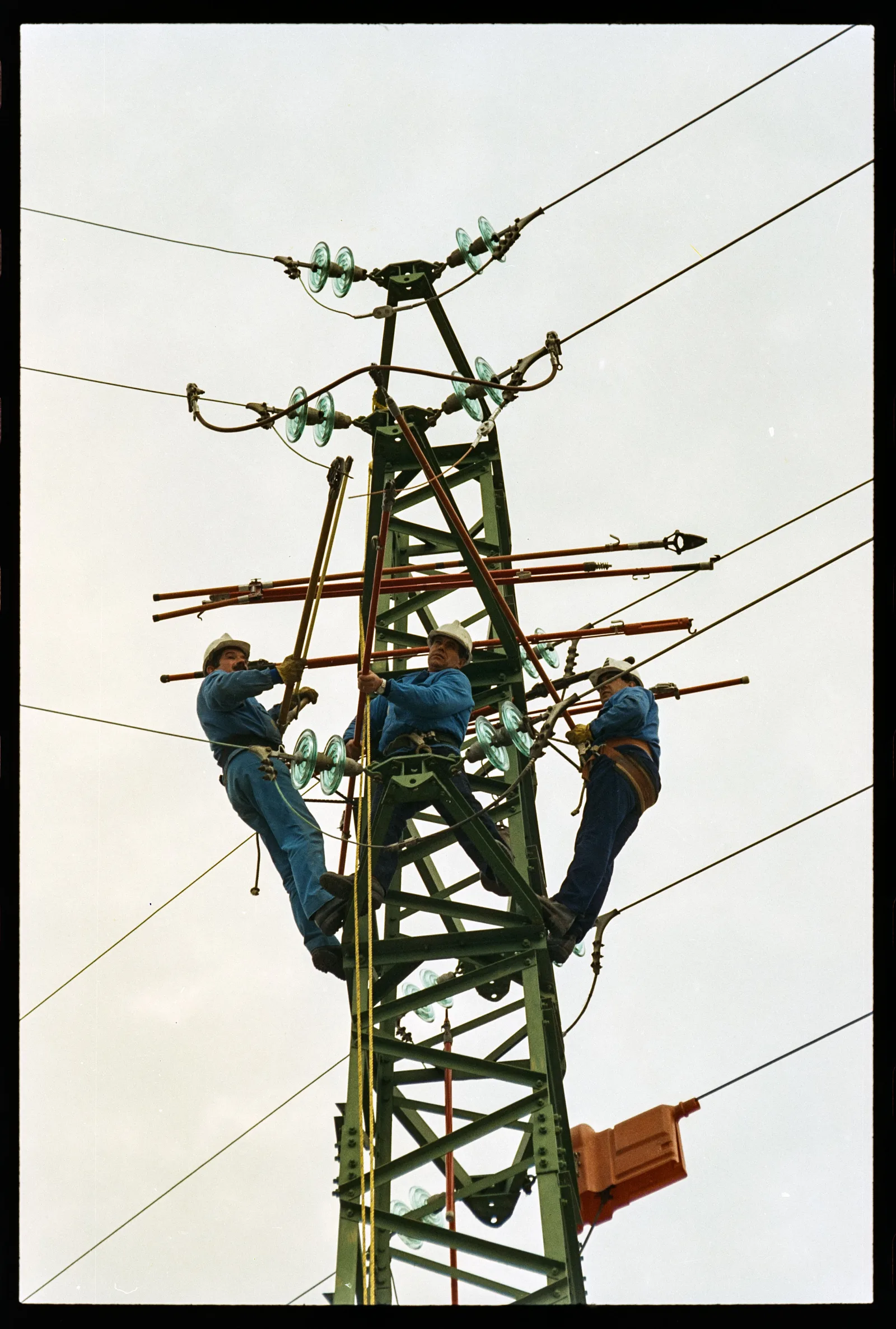
Trabajadora de Iparraguirre

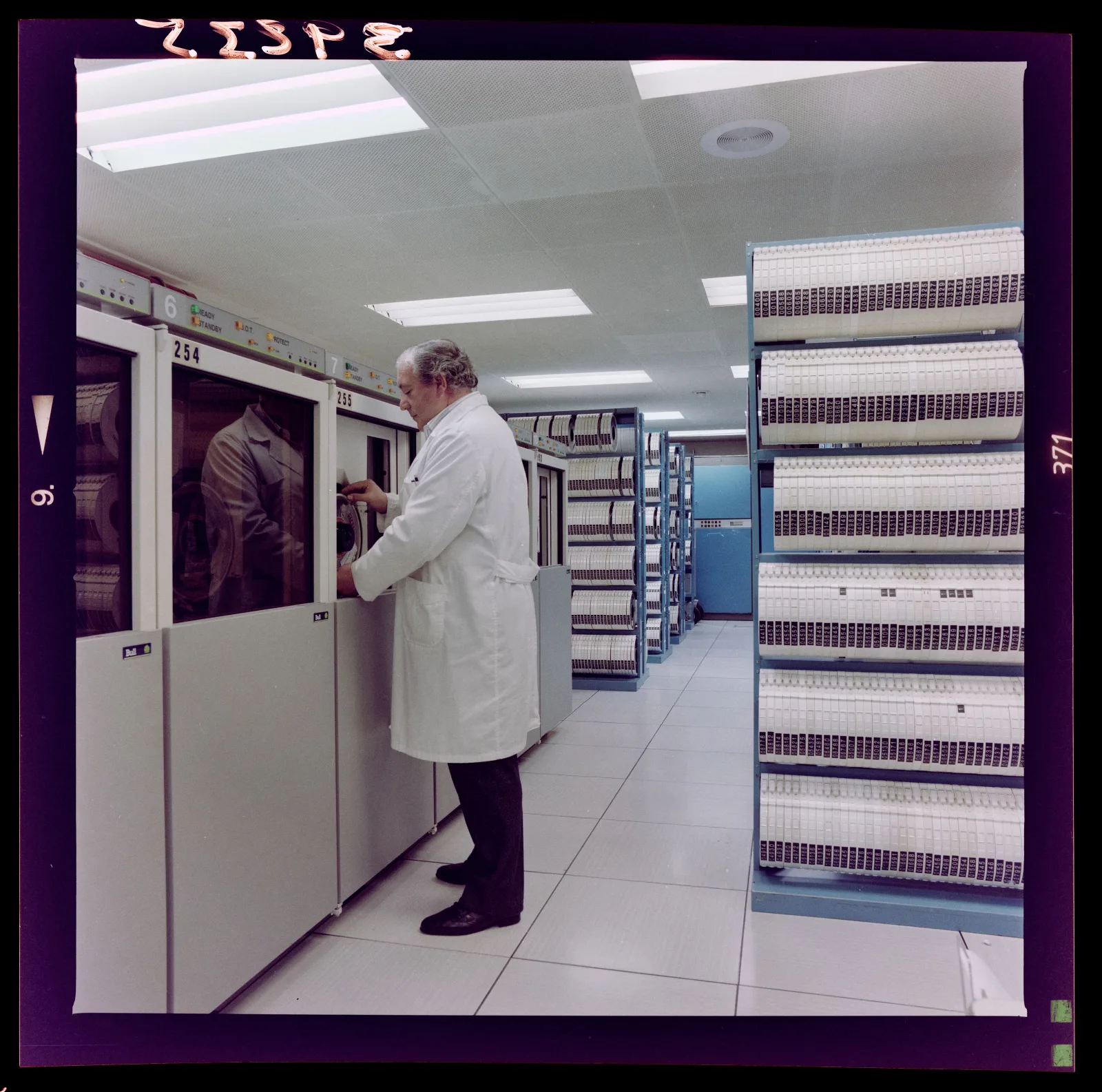
The 1990s coincided with the rise of globalisation, characterised by the integration of local economies into an international environment in which industrial production and capital flows operated on an intercontinental scale. At the same time, technological development accelerated, particularly in information and communication technologies with the expansion of the internet.

Large electricity companies, as central players in economic and social development, adapted to this shift and began to operate as true multinationals. During this period, business structures evolved into three core areas: energy generation, networks and supply. Operations increasingly took on an international dimension, reflecting broader market and societal trends.

In Spain, the Electricity Sector Law (Law 54/1997 of 27 November) liberalised the market for non-domestic customers. This step, taken in line with European directives, promoted competition in a strategic sector and introduced a more flexible regulatory framework.

Expanding horizons in Spain

In Spain, the energy sector continued to evolve through new alliances and the development of nuclear energy. In 1963, Iberduero acquired Saltos del Sil, which had agreements with central Spain distributors and Électricité de France.

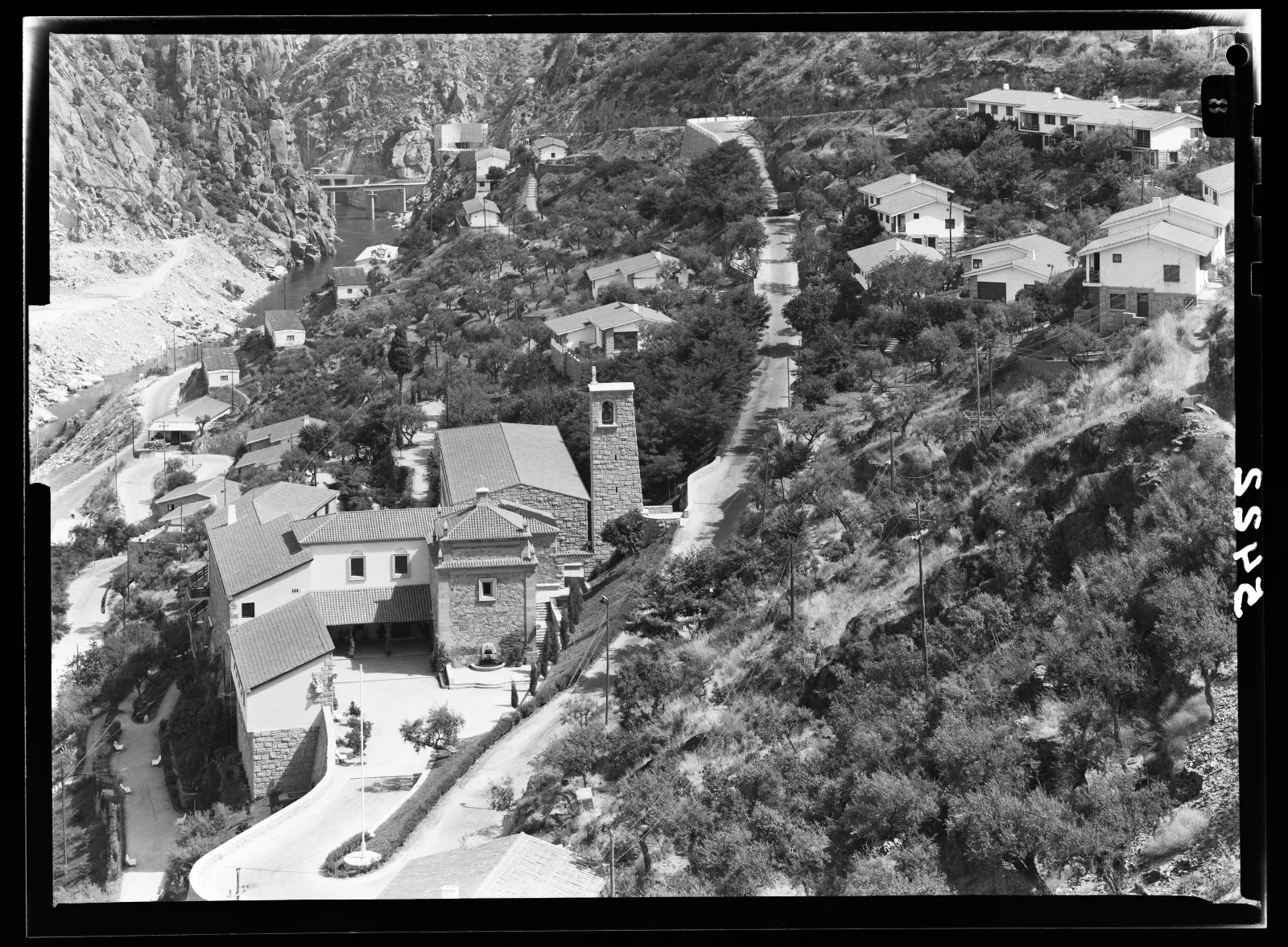
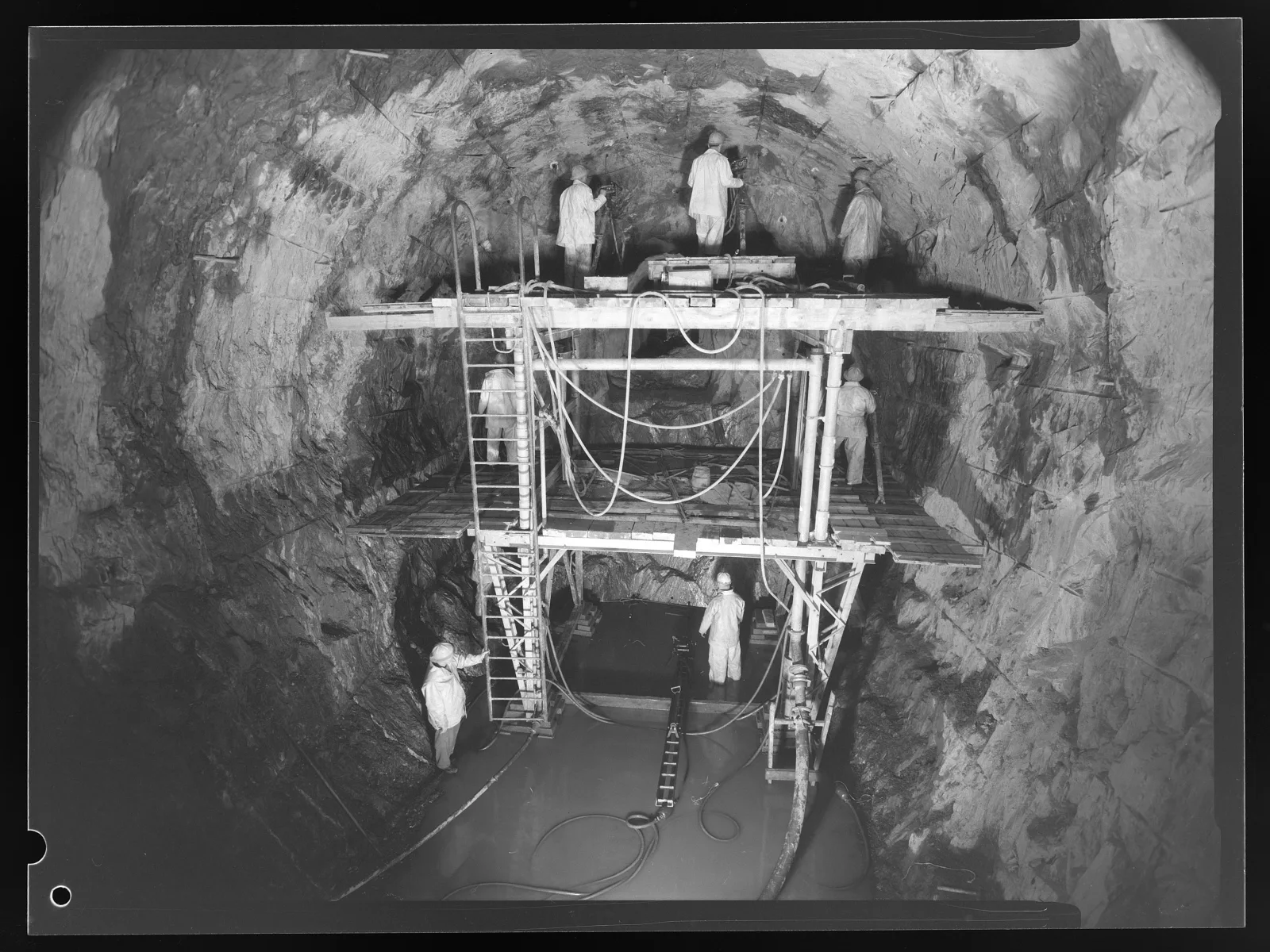
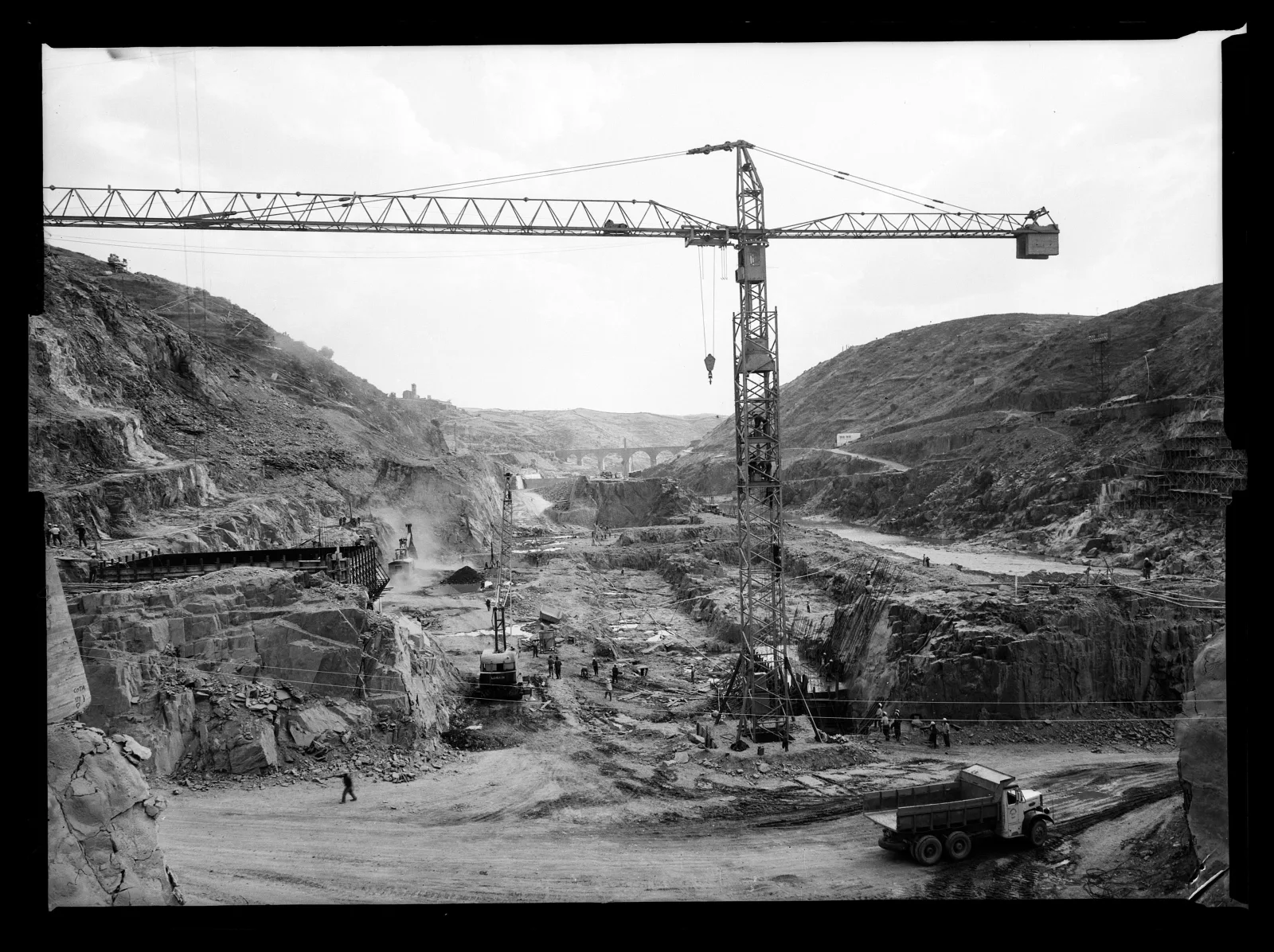
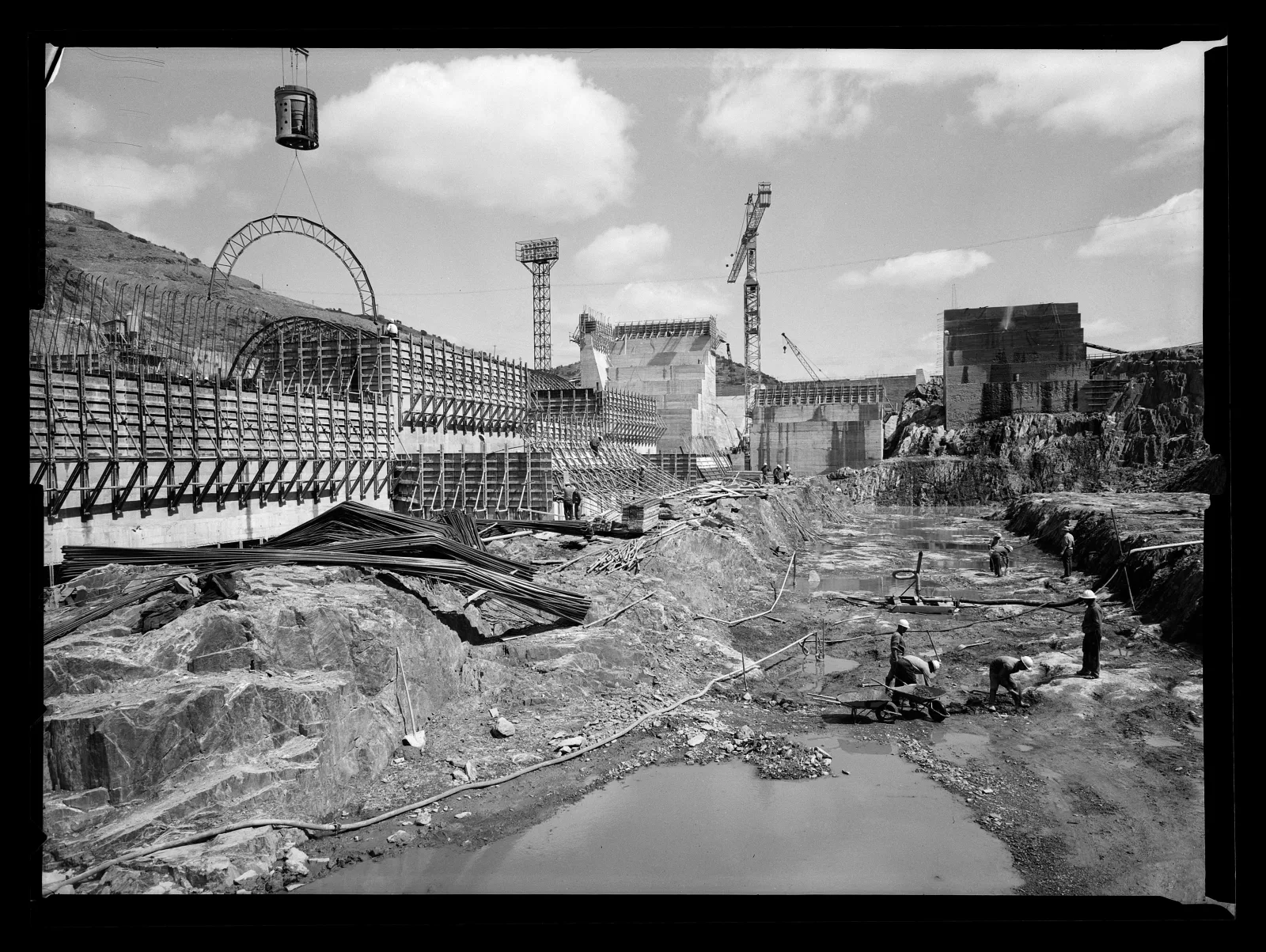
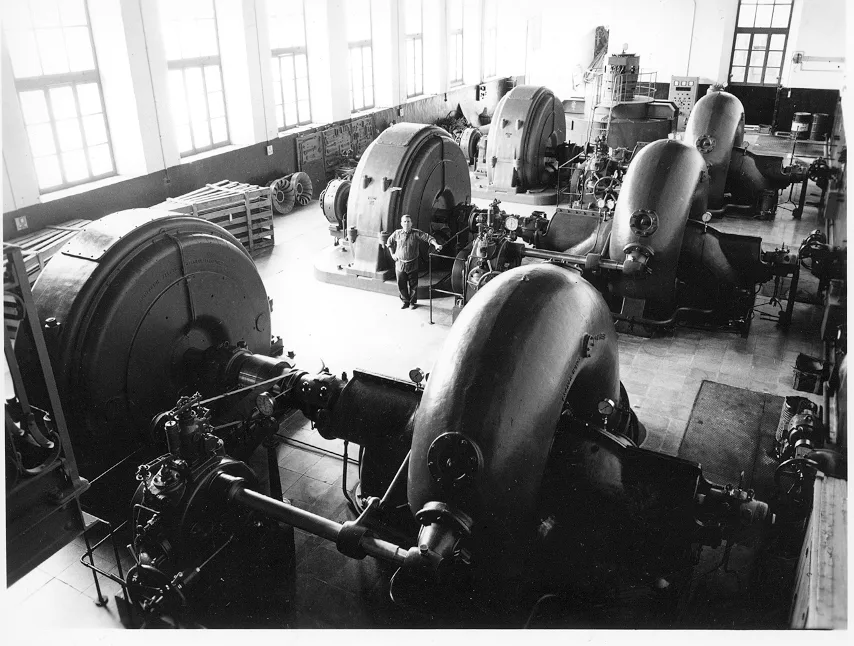
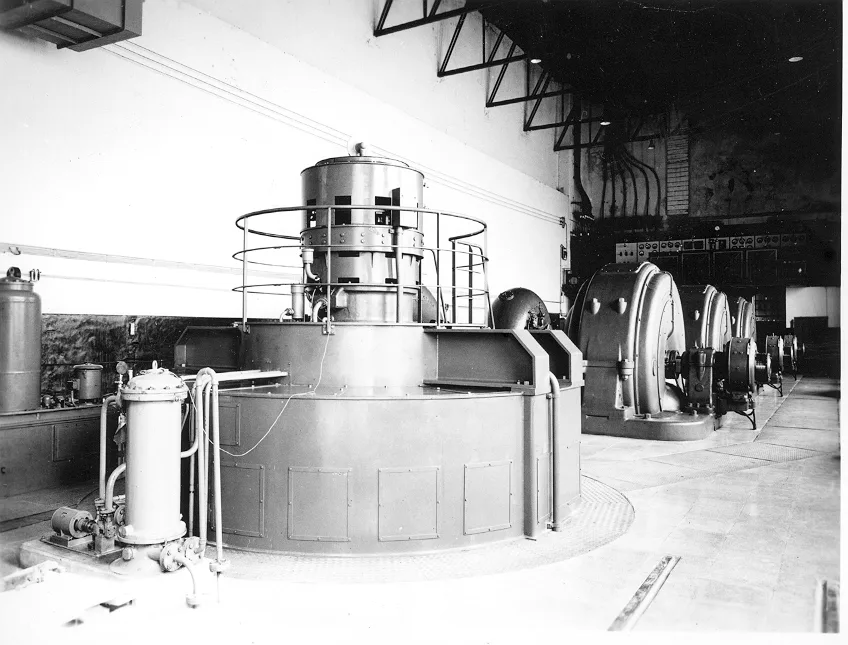
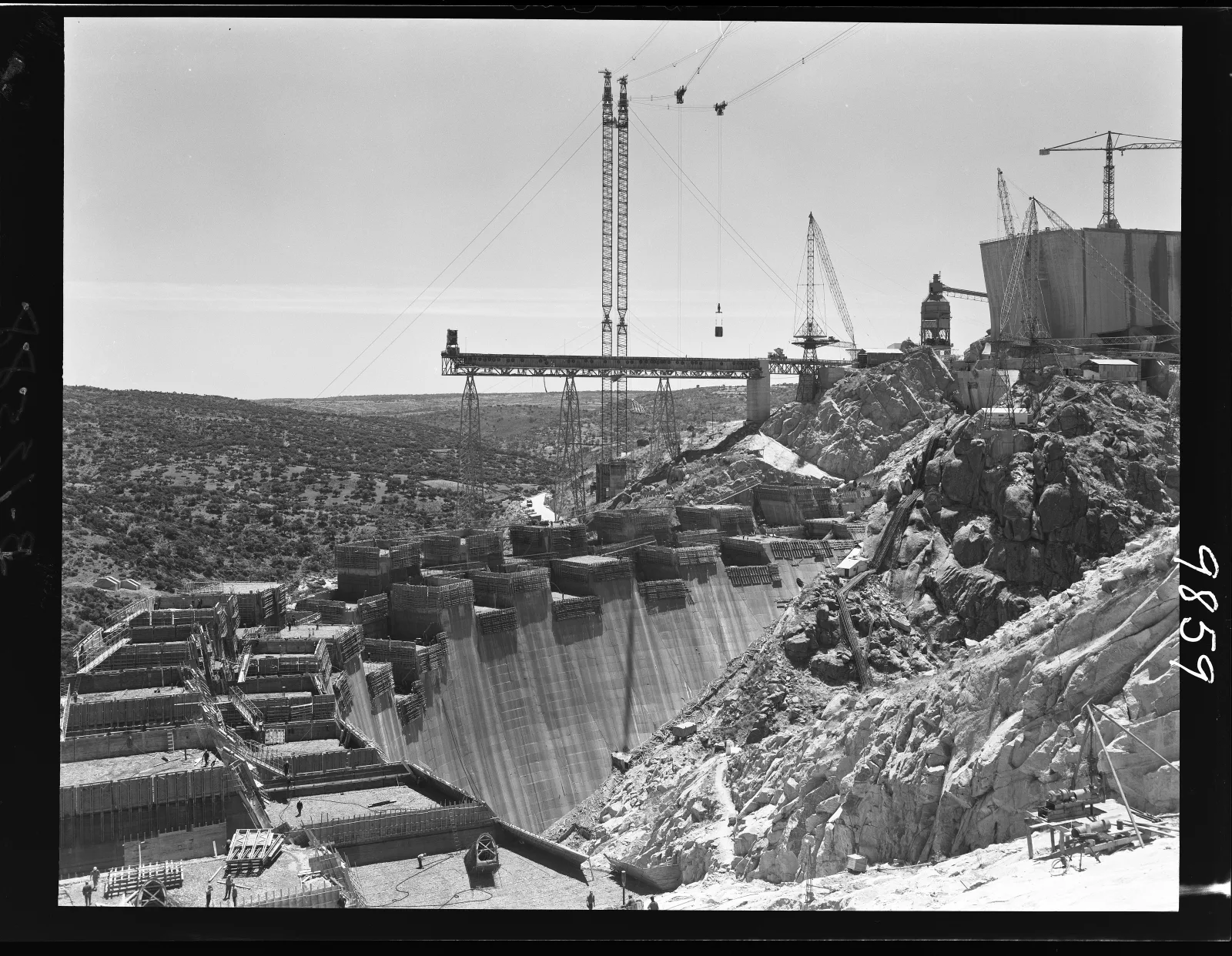
The following year, the company inaugurated one of Spain’s most significant engineering achievements: the Aldeadávila hydroelectric plant, which became the largest in western Europe. Its commissioning acted as a major driver of economic growth in the 1960s and 1970s.

Shortly afterwards, in 1970, construction was completed on Spain’s tallest dam: Almendra, also known as the Villarino plant. At 202 metres high, it still holds this distinction more than 50 years later.

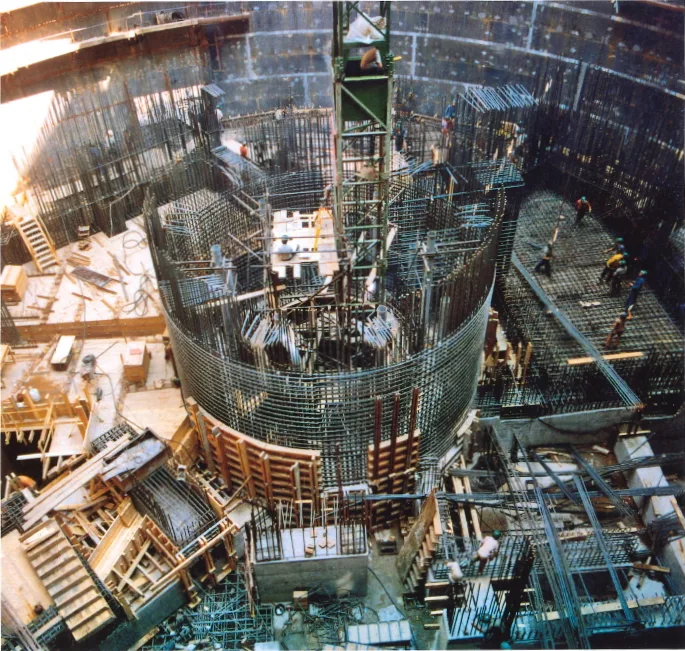
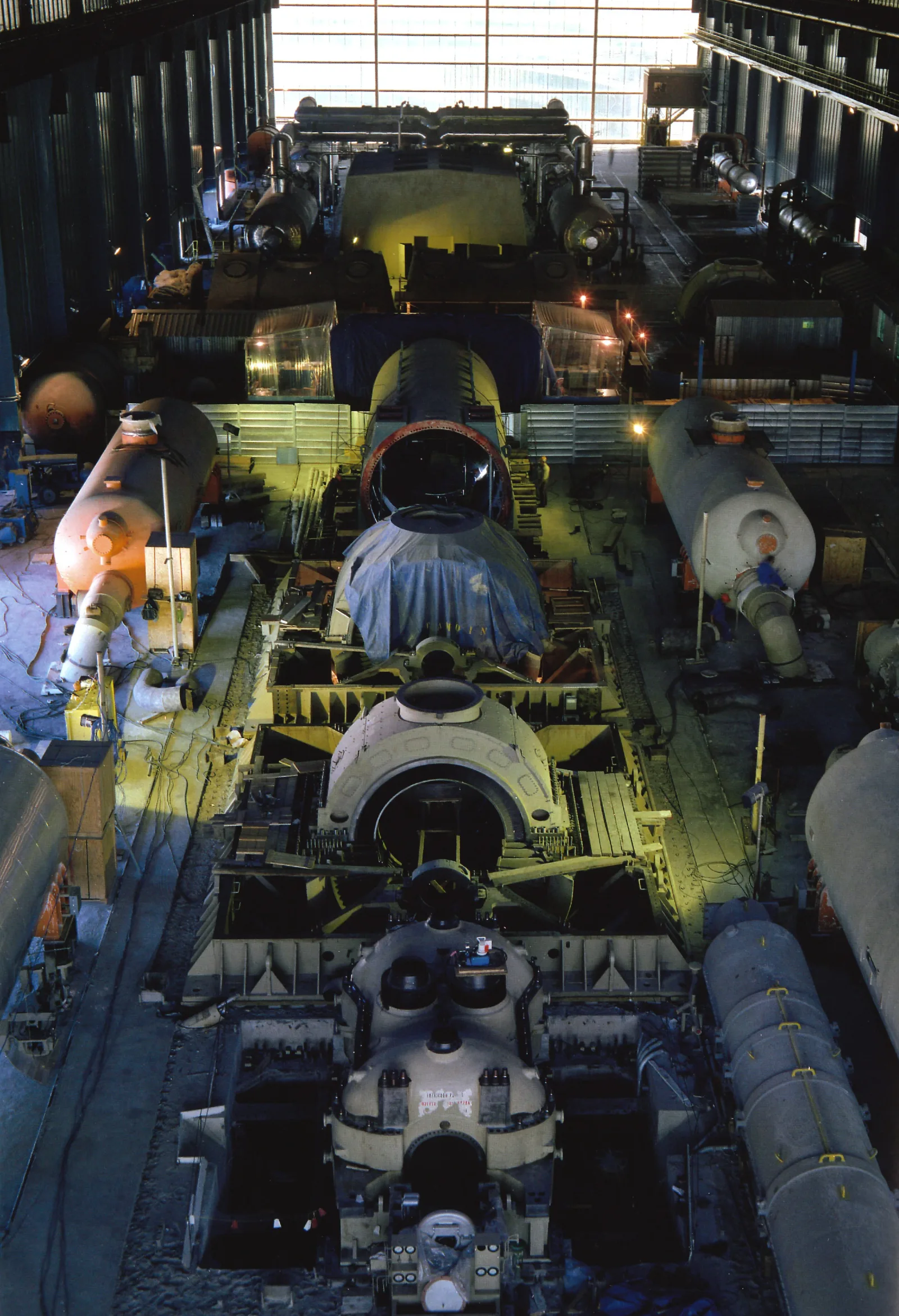
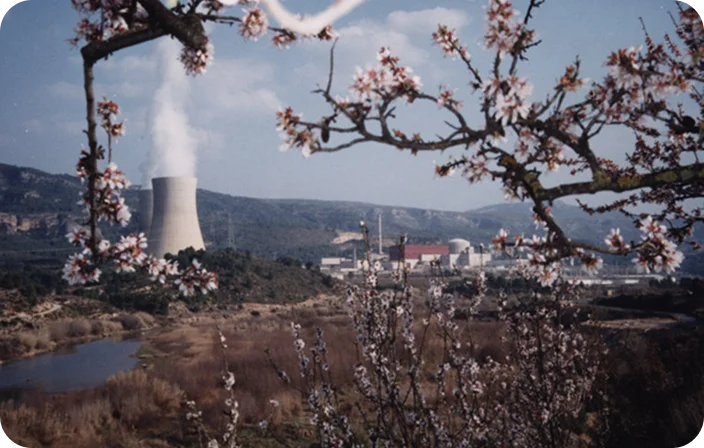
Nuclear energy gained prominence in the 1970s. In 1971, the Santa María de Garoña nuclear power plant began operations, becoming one of the first in Spain. A decade later, in 1981, the Almaraz nuclear power plant in Cáceres entered commercial operation as the country’s first second-generation facility. Four years later, the Cofrentes nuclear power plant in Valencia also began operating.

However, natural resources continued to represent an exceptional opportunity for energy generation in Spain and, in 1989, La Muela hydroelectric power plant in Valencia was connected to the grid.

The Iberdrola brand is born

Blue Iberdrola logo

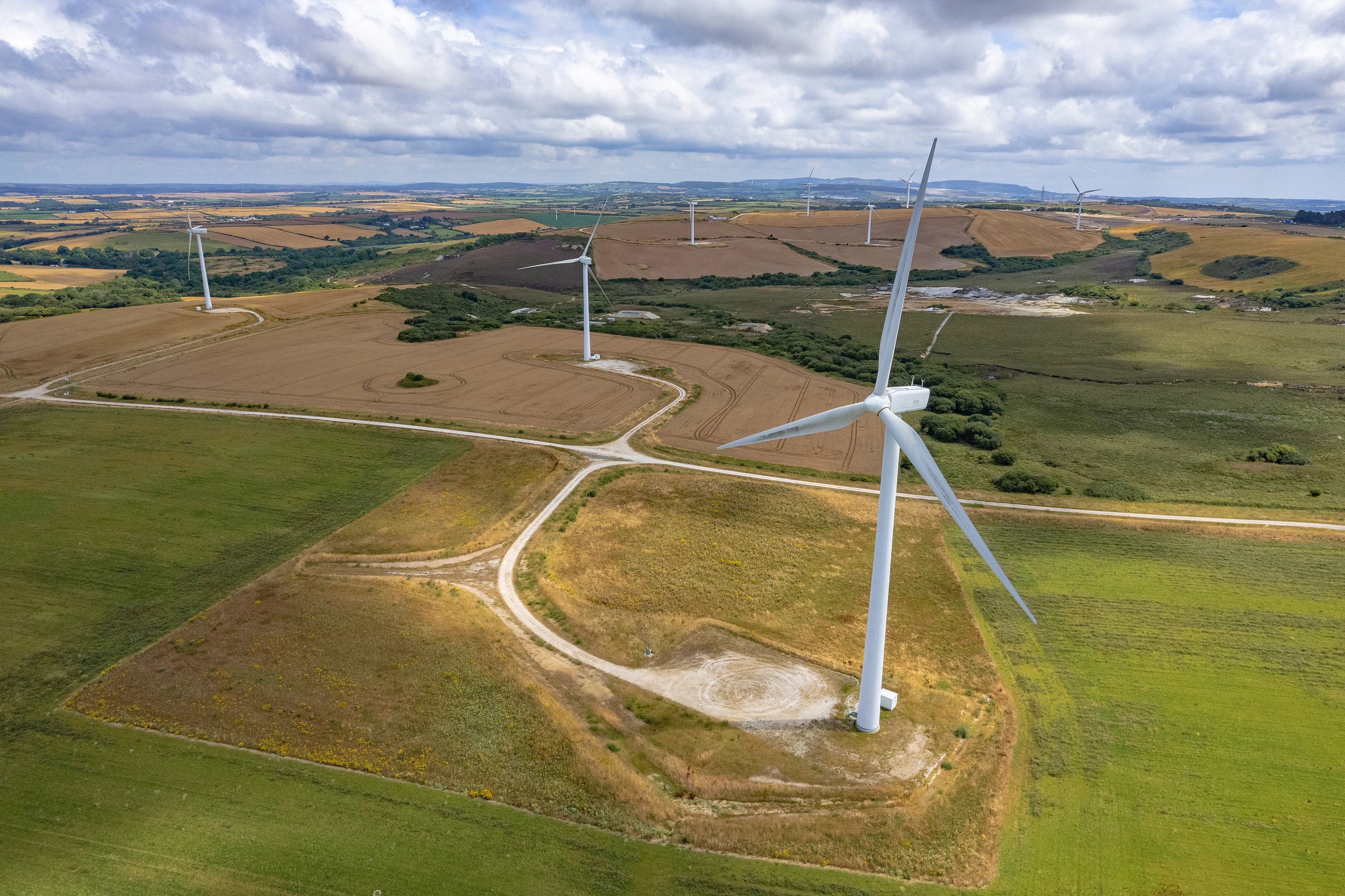
In 1990, ScottishPower was established as part of the privatisation process of the electricity sector in Scotland. The company became a model for the sector in the United Kingdom because, since its origins in 1955 as the South of Scotland Electricity Board, it had developed an integrated business covering generation, distribution and energy supply across the country. Just two years later, in 1992, its first onshore wind farm, Carland Cross, began operations.

Meanwhile, in Spain, the sector witnessed the birth of one of the leading energy companies. Iberdrola was created in 1991 from the merger of Iberduero and Hidroeléctrica Española (Hidrola), with a strong focus on internationalising the business. As part of this strategy, the company expanded into Latin America and, in 1995, entered Bolivia, Brazil, Guatemala and Mexico with its electricity distribution and generation businesses. A few years later, in 1997, Iberdrola consolidated its presence in the Brazilian market through an initial 39% stake in the holding company Neoenergia, which was originally created under the name Guaraniana and obtained its first distribution concession in Coelba.

In the United States, the energy sector continued to evolve and grow, giving rise to new players such as Energy East, which was formed in 1998 following the merger of six companies that saw their joint project as a unique development opportunity. Also in the Americas, this time in Mexico, Iberdrola inaugurated its first power plant in the country, Dulces Nombres in Nuevo León, in 1999. That same year, Iberdrola was included for the first time in the Dow Jones Sustainability Index, where it has remained present throughout its 25 editions, being the only European utility in the ranking.

Because the light we switched on more than a century ago now shines brighter than ever.

Celebrating 125 years of history in Spain