


Residential electrification
What is residential electrification?
Energy efficiency Decarbonisation
Electrification is redefining the home of the future. From heating and cooling to mobility, homes are moving towards a more efficient, intelligent and sustainable model thanks to technologies such as aerothermal systems, heat pumps and solar self-consumption. But what does residential electrification involve, and why has it become one of the major energy transformations? We review the main key aspects of a change that is revolutionising the way energy is consumed and managed in the home.

The domestic environment has become a key space for structural change, where new technologies and more responsible energy consumption habits converge. The integration of solutions such as high-efficiency electric heating and cooling, renewable self-consumption, electric cooking or electric vehicle charging is redefining the role of the home within the energy system. This progress enables a reduction in emissions associated with residential consumption and supports the development of homes that are more autonomous, digitalised and optimised in their energy management.
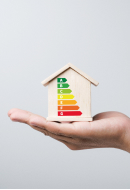
Residential electrification is the process by which energy uses based on fossil fuels –such as natural gas, diesel or butane– are replaced by technologies powered by electricity within homes. This shift mainly affects areas such as heating, cooling, domestic hot water, cooking and sustainable mobility. Its purpose is to reduce the environmental impact of household energy consumption, improve system efficiency and facilitate the integration of cleaner electricity generation sources.
Key benefits of residential electrification
Residential electrification represents a shift in the way homes consume and manage energy. Beyond replacing fossil fuels with electricity, this change involves the adoption of more efficient, intelligent and sustainable technologies that improve how homes operate and reduce their environmental impact. These are some of the main advantages of this process:
-

Greater energy efficiency
Modern electric solutions make better use of energy than combustion-based systems. Technologies such as heat pumps and aerothermal systems deliver higher performance with lower consumption, enabling more efficient use of energy in heating, hot water and cooking.
-

Medium- and long-term cost savings
Although some solutions or technologies require an initial investment, efficient electric systems significantly reduce energy consumption and operating costs in the home.
-

Greater control and smart energy management
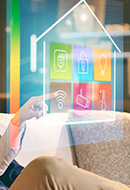
Digitalisation associated with electrification allows energy use to be monitored and optimised in real time. Smart devices, mobile applications and energy management systems help adapt consumption to the real needs of the household and improve efficiency.
-

Greater comfort and quality of life
Electrification makes homes more comfortable thanks to more stable, silent and precise heating and cooling systems. It also improves day-to-day user experience through automated and connected technologies that simplify home energy management.
-

Reduced environmental impact
The use of electricity from clean sources helps reduce emissions associated with household energy consumption. Electrification enables a reduction in the carbon footprint of everyday activities such as cooling.
-

Lower dependence on fossil fuels
Electrification reduces the need for gas, diesel or other fossil fuels. This decreases exposure to energy price volatility and supports a model based on renewable sources and clean electricity generation.
-

Greater safety in the home
Replacing combustion-based systems reduces risks associated with gas leaks, fumes or flammable fuels. This contributes to safer domestic environments with lower maintenance needs.


] Levels of home electrification: basic and advanced
The degree of electrification of a home refers to the level of electrical equipment and consumption a household can support depending on the technologies and services it has. Not all homes have the same energy needs. Some rely only on basic consumption, while others include advanced systems that require higher electricity demand.

Basic electrification level in a home
In a home with a lower level of electrification, electricity is mainly used for lighting, common household appliances and small heating and cooling equipment.

High electrification level in a home
As homes incorporate new electric solutions (such as aerothermal systems, heat pumps, solar panels, home batteries, electric vehicle charging points or home automation systems), both the required installation capacity and the degree of electrification increase.
Basic electrification level in a home
In a home with a lower level of electrification, electricity is mainly used for lighting, common household appliances and small heating and cooling equipment.
High electrification level in a home
As homes incorporate new electric solutions (such as aerothermal systems, heat pumps, solar panels, home batteries, electric vehicle charging points or home automation systems), both the required installation capacity and the degree of electrification increase.
The existence of these different levels highlights how homes are moving from a traditional energy model towards a more advanced, efficient and connected one. In this context, electricity becomes central to virtually all everyday household uses.
How do countries regulate residential electrification?
Although more homes are incorporating advanced electric technologies, there is no single international standard that classifies the level of electrification of a home. Each country sets its own technical criteria for designing domestic electrical installations, defining aspects such as required capacity, minimum circuits or the ability of a home to support specific equipment and consumption levels.

European Union
- Regulation of electrical installations in homes is based on common technical safety and sizing standards that are implemented in each country through national legislation. These regulations share a common goal: ensuring that installations are designed according to expected household usage.

Spain
- Spain is a particular case as it explicitly classifies degrees of electrification in homes. The Low Voltage Electrical Regulation distinguishes two levels: basic electrification and high electrification. The first applies to homes with essential needs (lighting, appliances, basic heating and cooling), while the second is intended for homes with higher expected consumption due to technologies such as home automation.

United States
- In the US, the National Electrical Code (NEC) regulates home installations based on expected energy demand and installed equipment (minimum number of circuits, main panel capacity, etc.), but without formal electrification categories.

United Kingdom
- The UK system focuses on technical and safety requirements for electrical installations, following a model similar to that of the US and without official residential electrification levels.
Electrification in action: key sectors of the transition
Electrification is a cross-cutting process that is transforming multiple areas of the economy and everyday life. Its impact extends from homes to transport and urban services, redefining how energy is produced, distributed and consumed. This change enables the development of more efficient, digital electric solutions that are often integrated with renewable energy sources, replacing fossil-fuel-based generation.
Therefore, electrification is a common axis that connects different sectors and accelerates their modernisation, driving energy efficiency, emissions reduction and the adoption of new technologies. The result is a more flexible, interconnected system adapted to current sustainability and competitiveness needs.
Residential electrification: evolving towards the sustainable home
Homes are undergoing a profound transformation in how they manage energy consumption, progressively replacing traditional gas or liquid-fuel systems with more efficient electric solutions.
In modern homes, this process is implemented through technologies such as aerothermal systems, which provide heating, cooling and domestic hot water through a single highly efficient system; heat pumps, which enable low-consumption climate control; and photovoltaic self-consumption, which allows electricity to be generated within the home. These solutions are complemented by energy management and storage systems that enable smarter use of energy produced and consumed in the household.
The adoption of these technologies not only helps reduce the environmental impact of energy consumption but also has a direct effect on home comfort and medium- and long-term cost savings. Electrified homes tend to be more efficient, stable in performance and adaptable to the needs of their occupants. This supports a new, more sustainable and comfortable home model.
The electrified home and the solutions driving its efficiency
The electrification of the home is made possible through the combination of different solutions that work together to transform how energy is consumed and managed in households. These are some of the main technologies driving residential electrification.


1 of 6
 SEE INFOGRAPHIC: The electrified home and the solutions driving its efficiency [PDF]
Electric mobility and transportation
Beyond the residential sphere, transportation has become another sector where electrification is having one of the most visible and rapid impacts. The gradual replacement of petrol and diesel vehicles with electric alternatives is transforming both sustainable urban mobility and public transport systems and logistics.
The expansion of electric vehicles is driving the development of new infrastructure, such as public and private charging networks, ultra-fast charging stations and smart energy management systems. At the same time, cities and administrations are introducing electric buses, electrified municipal fleets and micromobility solutions such as electric scooters and bicycles to move towards more sustainable transport models.
In addition to environmental benefits, this type of sustainable mobility brings advantages in efficiency and user experience. Electric motors have fewer mechanical components, require less maintenance and offer higher energy efficiency compared to traditional combustion engines. They also reduce urban noise and improve air quality, particularly in high-traffic areas.
Public services in urban environments
Electrification is also transforming numerous public services and urban systems, enabling more efficient and sustainable cities. Infrastructure such as street lighting, municipal buildings and water supply systems, for example, are integrating advanced electric solutions that optimise energy consumption and reduce emissions. A notable example is the deployment of LED lighting and smart systems capable of adjusting consumption to the real needs of each space.
This transformation is closely linked to digitalisation and the development of so-called smart cities, where sensors, smart grids and management platforms enable monitoring and improvement of urban services. In other words, electrification not only helps reduce the environmental impact of cities, but also fosters more connected, efficient urban environments ready to meet future energy challenges.

The future of residential electrification
The advancement of residential electrification is accelerating in a context of sustained global electricity demand growth. According to the Global Energy Review 2026 Enlace externo, se abre en ventana nueva. report by the International Energy Agency (IEA), global electricity consumption grew by around 3% in 2025, following a 4.3% increase in 2024, and is expected to continue growing in the coming years.
Homes are a significant factor in this outlook. The Global Energy and Materials Outlook 2026Enlace externo, se abre en ventana nueva. by Bain & Company estimates that residential buildings will account for the largest share of future electricity demand growth, in a trend similar to industrial demand growth. This will be driven by the increasing demand for air conditioning in developing countries and the replacement of gas heating systems with heat pumps in advanced economies.
What’s more, the expected development of residential solutions, driven by the rise of artificial intelligence and the expansion of digitalisation across increasingly more areas of daily life, is becoming a key driver of home electrification.
The role of distribution networks
Residential electrification cannot be understood without the key role of electricity distribution networks, which are responsible for delivering energy to homes and ensuring its quality, continuity and safety. As the variety of domestic electricity uses increases – driven by new solutions such as electric heating and cooling, self-consumption, vehicle charging and home digitalisation – these networks must adapt to manage higher and, above all, more variable demand.
This requires reinforcing infrastructure, incorporating monitoring and digital technologies, and better integrating distributed generation so that the system can absorb growing electrification without compromising supply stability. In this sense, distribution networks become an essential enabling element for large-scale residential electrification.
At Iberdrola, we understand the need to drive and improve this final stage of the electricity value chain. That is why we are promoting the modernisation of distribution through more digital and intelligent networks, capable of responding better to current needs of higher electrification, increased renewable generation and the development of a more resilient system in the face of disruptions. Aware of this strategic role, distribution networks are a clear priority in our Strategic Plan.