


International Day of Light
The strategic significance of the International Day of Light 2026: innovation and commitment to illuminate a sustainable future
The International Day of Light, celebrated every 16 May since 2015, is a global initiative supported by UNESCO aimed at highlighting and celebrating the importance of this resource in the development of all areas of human life. At the Iberdrola Group, as a corporation that promotes electrification on a global scale, we join this celebration to raise awareness of the value that this unique resource brings to people everywhere.

What is the International Day of Light?
The International Day of Light is a global observance held on 16 May each year to highlight the fundamental role that light plays in society, science, technology, culture, education and sustainable development. It was proclaimed by UNESCO in 2017 to recognise how the study and application of light have revolutionised human life and our understanding of the universe.
Origin of the International Day of Light
This day is celebrated on 16 May to mark the first successful operation of a laser on 16 May 1960, achieved by Theodore Maiman using a ruby laser. This scientific breakthrough provided revolutionary tools for the global benefit of society in fields such as communications, healthcare technologies and many other applications across numerous sectors. Examples include fibre optics, laser medicine and scanning technologies, among others.
Relevance of the International Day of Light
As a key resource for life, light has become the central energy vector of the 21st century and a strategic pillar within the international climate agenda. Its importance lies in its ability to transform solar energy into clean electricity through photovoltaic technologies, reducing dependence on fossil fuels.
In the context of global commitments to climate change mitigation, light becomes a critical instrument to:
-

Reduce carbon emissions
Electrification through solar energy significantly reduces the CO₂ footprint compared to coal- or oil-based generation
-

Drive energy efficiency
The adoption of LED lighting and smart control systems optimises electricity consumption, reducing global energy demand.
-

Promote sustainable technological innovation
Electrification enables advances in sectors such as transport, communications and healthcare with a lower environmental impact.
-

Ensure universal access to clean energy
Efficiently distributed solar energy helps close the energy gap in remote communities, supporting climate and social justice.


Leading change at Iberdrola: how we transform sunlight into smart energy at a global scale
At the Iberdrola Group, we have developed strong capabilities to convert sunlight into smart energy through the integration of three pillars: renewable generation, smart grids and advanced digitalisation, all within a global model with a strong international presence.
We promote the electrification of demand through clean energy such as solar photovoltaic power, enabling consumption monitoring, surplus management and optimisation of energy use, better aligning supply with the real needs of households and businesses while improving savings and efficiency.
Advantages of photovoltaic solar energy

Optimal for rural areas
A system suitable where power lines do not reach or are difficult to install
Modulable according to need
It can be produced in small generator installations and in large photovoltaic plants
Green jobs
Contributes to the creation of green jobs and local economic growth
More information
This renewable energy generation is supported by an increasingly interconnected energy model thanks to electrical networks and, in particular, smart grids, which allow solar energy to operate in harmony with the network. Energy is no longer only generated but also distributed and dynamically adjusted based on demand, while consumers can access real-time information on their electricity consumption.
These innovations are made possible by the digitalisation of electrical networks, which strengthens the entire system through big data and artificial intelligence. These tools make it possible to forecast solar generation, optimise energy flows and apply predictive maintenance, resulting in a more efficient, flexible and adaptable electricity system. This technical capability is underpinned by our presence in strategic markets such as the United States, the United Kingdom, Spain and Australia, positioning us as global leaders in electrification projects.
Photovoltaic innovation: the technological engine of Iberdrola’s decarbonisation
Innovation is a strategic pillar for Iberdrola in accelerating electrification. We promote the development of technological solutions that maximise the potential of solar energy while improving efficiency and reducing environmental impact. These innovations include next-generation photovoltaic modules, solar tracking systems that optimise radiation capture and the digitalisation of plants.
In addition, Iberdrola is exploring new applications such as floating photovoltaics, which enable solar panels to be installed on water surfaces, optimising land use and improving performance thanks to the cooling effect. This is complemented by the promotion of energy storage, which is key to managing renewable generation, through solutions such as advanced battery systems that store energy and release it when demand requires.
This approach is reinforced by our international start-up programme PERSEO, through which we identify and collaborate with disruptive solutions in areas such as storage, new materials and artificial intelligence applied to asset management. In this way, Iberdrola is building an open innovation ecosystem that drives the development of key technologies for a cleaner, more efficient and sustainable energy model.


The light that protects our history: the commitment of the Iberdrola Foundation
Throughout our history, the Iberdrola Group has maintained a firm commitment to the energy and social and cultural development of the communities in which we operate. Through our foundations, we promote initiatives that foster economic development, social cohesion and the enhancement of heritage in the regions where we are present. Among these actions, the conservation and protection of artistic and cultural heritage stands out as an essential element of collective identity.
In this context, light plays a fundamental role in enabling societies to see, appreciate and learn from their historical and cultural heritage, while also ensuring safe access to these spaces. Through collaboration with public and private institutions responsible for their management, we promote lighting projects that contribute to wealth creation and regional development.
Ornamental lighting and efficiency: enhancing cultural heritage sustainably
Our lighting projects aim to enhance heritage through interior and exterior ornamental lighting of historic buildings, improving energy efficiency and reducing environmental impact. These projects use sustainable technologies such as LED lighting, which, unlike traditional lighting, reduces energy consumption by up to 60 % and minimises CO₂ emissions. It also eliminates harmful radiation such as infrared and ultraviolet rays, which are responsible for the deterioration of historic materials. These benefits make LED lighting an active conservation tool, enabling illumination without compromising the integrity of historic monuments.
This technology has enabled us to illuminate more than 40 monuments in Spain, the United States, Brazil and Mexico, with an investment of over €3 million, demonstrating that energy innovation can be integrated with heritage conservation. Landmarks such as Ávila Cathedral in Spain, the Basilica of Nuestra Señora de la Soledad in Mexico and the Wadsworth Atheneum Museum of Art in Hartford, Connecticut (United States) have benefited from these projects.
Lighting Iberdrola’s 125th anniversary
As part of the extensive programme organised to celebrate the 125th anniversary of Iberdrola External link, opens in new window. , and with the aim of bringing its legacy closer to society while sharing its vision and commitment to the communities where it operates, several historic monuments have been illuminated in collaboration with the Iberdrola España Foundation. Among them is the Chapel of the Royal Palace of Madrid.

Lighting of the Chapel of the Royal Palace of Madrid, Spain.
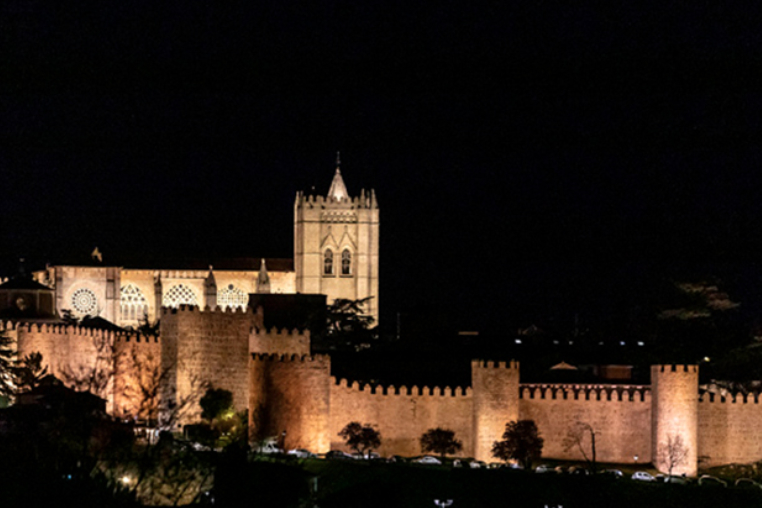
Exterior lighting of Ávila Cathedral, Spain.
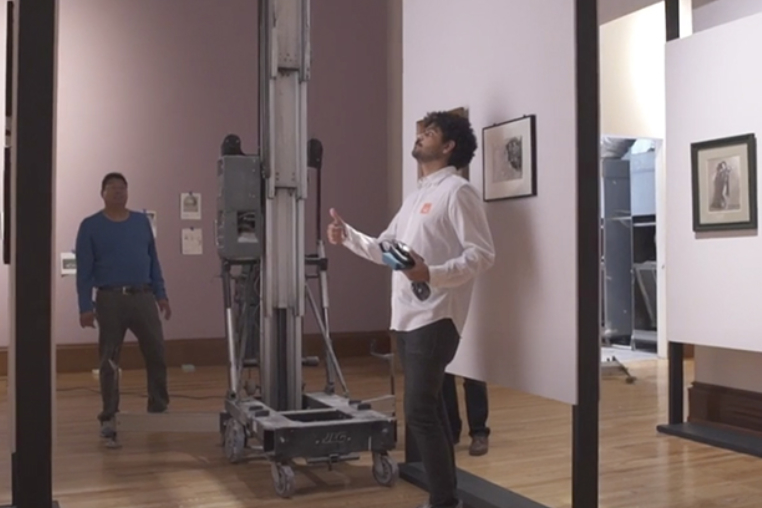
Interior lighting of the National Museum of Art of Mexico (MUNAL).
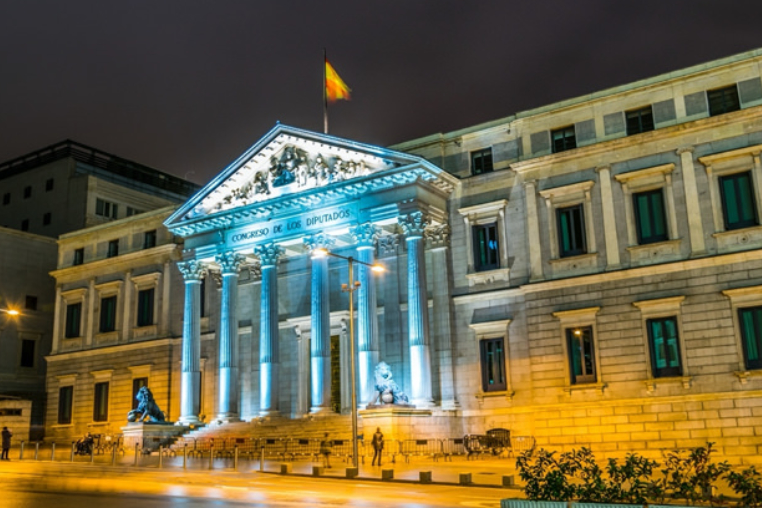
Exterior lighting of the Congress of Deputies (Madrid, Spain).
Light for wellbeing: the social impact of rural and universal electrification
In line with the principles and initiatives promoted by the International Day of Light, in 2014 we launched the Electricity for All programme, which aims to bring electricity to more than 16 million people by 2030 who currently lack access to this essential resource. This initiative is Iberdrola’s response to the international community’s call to extend universal access to modern forms of energy through environmentally sustainable, economically viable and socially inclusive models, in line with United Nations Sustainable Development Goal 7.
The Electricity for All programme delivers a range of social benefits that improve quality of life across multiple areas:
-

Universal access to energy
The programme provides electricity in regions where infrastructure did not exist, reducing inequality and promoting social inclusion.
-

Improved healthcare
Electrification enables the operation of health centres, refrigeration of medicines and access to basic medical care, particularly in rural areas.
-

Boost to education
Electricity supports lighting in schools, access to technology and extended study hours. Initiatives such as “Lights of Hope” also electrify schools and community spaces, directly impacting the education of children and young people.
-

Economic and social development
Access to energy enables the creation of small businesses, improves productivity and fosters social cohesion in isolated communities.


Light in your daily life: efficiency and habits
The way we use light in our daily lives has a direct impact on the sustainability of the planet. Adopting responsible habits not only reduces electricity bills but also helps lower greenhouse gas emissions and supports a more sustainable environment. Adopting the following habits can make a significant difference in reducing your carbon footprint:
-

Make the most of natural light
Keep curtains and blinds open during the day to light your spaces with sunlight, reducing the need for artificial lighting.
-

Switch to LED lighting
LED bulbs use up to 80 % less energy than incandescent bulbs and last longer, reducing waste and emissions.
-

Turn off unnecessary lights
Always switch off lights when leaving a room. Sensors or timers can help avoid wasting energy.
-

Keep lamps and windows clean
Dust and dirt reduce lighting efficiency; regular cleaning ensures each light source performs at its best.


Towards Lighting 5.0: trends shaping the future of light-based energy
Electric lighting is entering a new era: Lighting 5.0, where light evolves from a passive element into an intelligent, connected and sustainable infrastructure. This transformation is driven by three technological trends:
-
Li-Fi technology: A wireless, bidirectional system that transmits data via LED or infrared light. Introduced in 2011, unlike Wi-Fi it only requires a lamp with a chip to transmit internet signals through light waves. This technology significantly increases speed and bandwidth and will enable more connected environments.
Smart cities: Cities undergoing technological and sustainable urban transformation. In this context, the use of smart grids for electricity distribution will make light a more efficient and universal resource.
Smart lighting: Lighting integrated with artificial intelligence, sensors and digital platforms, enabling automation and energy efficiency.
At Iberdrola, we have anticipated these trends and become leaders in energy innovation through investment strategies focused on electrification, decarbonisation and digitalisation. Our key initiatives include investment in R&D&I for intelligent lighting systems, the promotion of smart city projects that transform urban spaces through smart lighting and digital management platforms, and the digitalisation of electrical networks, delivering integrated energy control and management solutions.
These technological advances are essential to reduce pollution and facilitate universal access to electricity. The use of new data management technologies such as machine learning and the rise of artificial intelligence are crucial to achieving significant progress in safety, energy efficiency and reducing structural inequalities. That is why at Iberdrola we place electrification, digitalisation and investment in innovation at the core of our business activity, working towards a more inclusive, sustainable and resilient world.