
















-

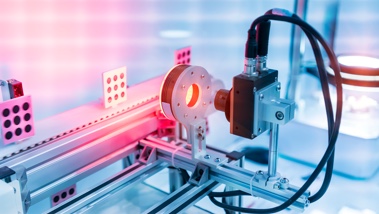
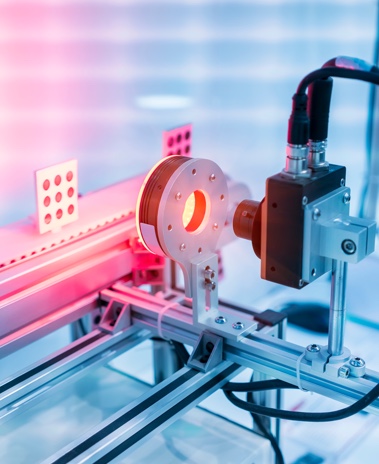
Humans use our eyes to understand the world around us. Artificial vision is a scientific discipline that aims to enable computers to achieve the same capacity, i.e. it tries to ensure that machines can perceive and understand one or more images and act in a certain way. Below, we review some of its applications.



Predictive analytics uses statistical modelling techniques, big data and machine learning to extract historical data and make predictions. In the business world, it is a highly valued technique because of the benefits it can bring in terms of identifying risks and opportunities, for example. Its application ranges from e-commerce to energy, finance and insurance, among others.
-

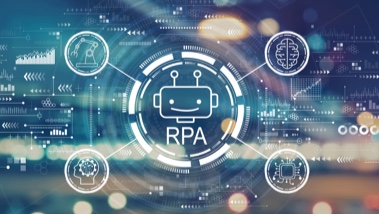

Robotic Process Automation, or RPA, is transforming the way companies operate. RPA software robots communicate with systems and applications to speed up processes and reduce the workload on humans. Let's take a look at how it works and the benefits it provides.



In 2010, Generation Alpha emerged, succeeding Generation Z. Growing up in a digital environment, with all knowledge just a click away, is not only shaping their experiences but will also define the way they interact with others. This generation is particularly connected to areas such as sustainability, electrification and digitalisation, as it combines a stronger environmental awareness with a high level of technological proficiency, positioning itself as a key player in the search for innovative solutions. Below, we outline their characteristics, the impact of digitalisation on their development and the technologies that define them.
-
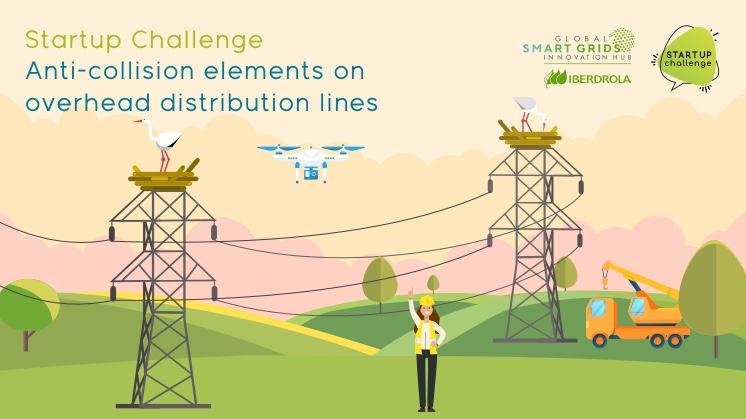
Two projects have been selected as winners of the NewTech Challenge launched by Iberdrola —through its International Start-up Programme - PERSEO— in which innovative solutions were sought to avoid bird collisions on its overhead distribution lines.


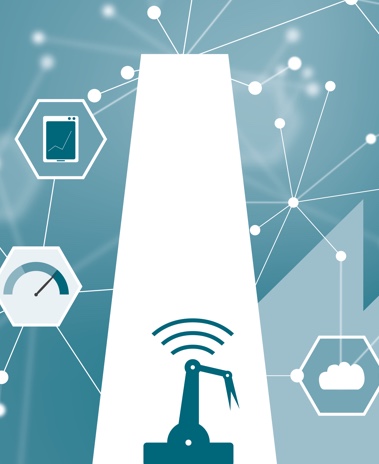
When a machine stops working, there can be significant consequences. But when this happens in critical systems such as electricity networks, the impact multiplies and can affect both service reliability and a company’s costs. For this reason, more and more organisations are turning to predictive maintenance, a set of techniques that make it possible to anticipate failures before they occur. Below, we explain in simple terms what predictive maintenance is and what its main benefits are


