









-



In the Europe of 2060, one in three inhabitants will be over 65. A similar trend of increasing life expectancy and reversal of the population pyramid will be followed by the rest of the developed countries on the planet. The forms of consumption will therefore change and older people will become the engine of the so-called silver economy.

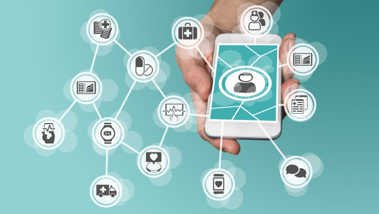
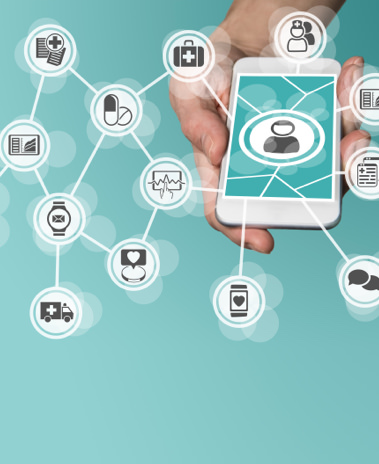
During the coronavirus crisis, some countries have leveraged the predictive power of big data to keep the global spread of the pandemic in check. This is just one of many examples of how technology can be wielded under the banner of eHealth to help care for and save millions of people around the world.
-



Self-driving vehicles, augmented reality and eHealth apps are just some of the innovations that we can put to use and optimise thanks to Edge Computing, a new paradigm that relocates cloud data processing to its source, reducing latency and energy consumption. We'll give you a basic insight into the intricacies of this technology, which is linked to the IoT (Internet of Things) and the 5G network.
It quickly installs in your system and kidnaps your files. The only way to get them back is by paying a ransom... Do you know what we are talking about?
-
Wearables are the penultimate milestone of the technology revolution, and they open the door to a new personal universe. They track what you eat, monitor your heart rate, warn you when you are getting stressed, and make it easier to communicate with those around you. They are part of your image - we wear them as watches, t-shirts, earrings and bracelets - and they know things about you that you don't.



In the full throes of the digital transformation, the user centric concept has found its way into the business strategies of companies the world over, for one purpose: to put the customer at the centre of their activities in order to offer them the best experience possible. One of the fundamental aspects of this concept is design, a process into which the needs and interests of users have been incorporated.


