









-
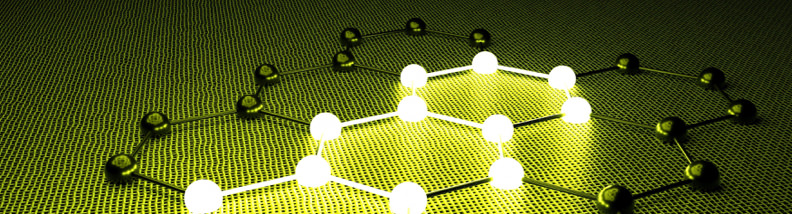
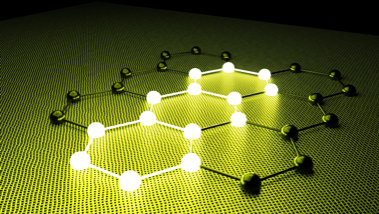
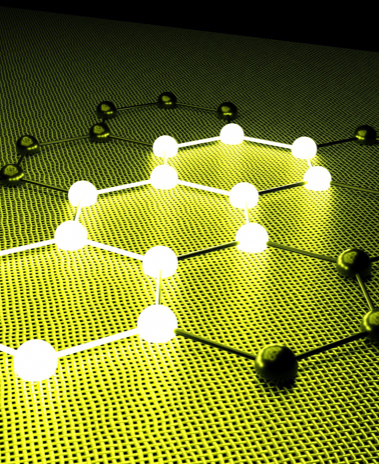
Drugs that are released into the bloodstream at the first sign of infection, buildings that react to weather conditions or mobile phone screens that repair themselves... These are just some of the possible applications of so-called smart materials, the latest revolution in the field of materials science.
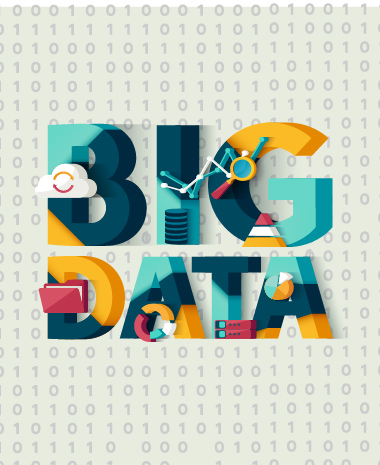
Nowadays, almost 18.8 billion connected devices share information over the Internet. It is forecast that revenues from IoT AEP platforms will grow at a compound annual growth rate of close to 31% between 2024 and 2029, reaching almost $250 billion in 2029. Big data analyses this "sea of data" to convert it into the information that is transforming our world.
-


The Agile methodology is a working system that is changing the face of project development in many companies, including Google, Amazon and Microsoft. This new concept is triumphing the world over and is here to stay. What is the key to its success? It organises and shares work out among multidisciplinary teams in a fast and flexible manner. Read all about it.
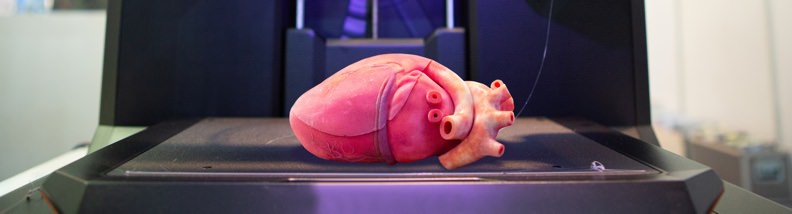
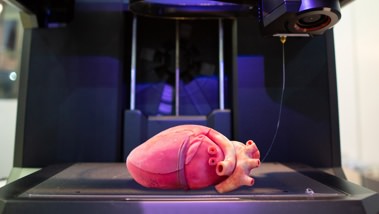
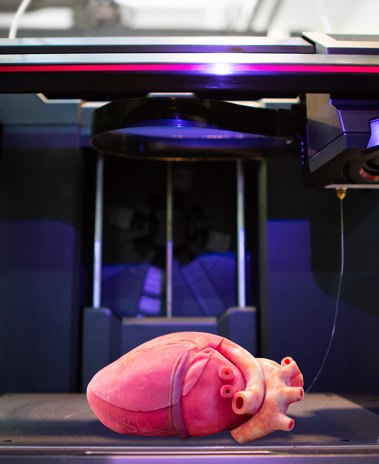
Clothing that adapts to weather conditions and to movement, prosthetics that adapt to growth and disintegrate when they are no longer necessary. These are just some of the present and future applications of 4D printing. This yet untapped technology will revolutionise the printing and manufacturing of objects over the next few years.
-
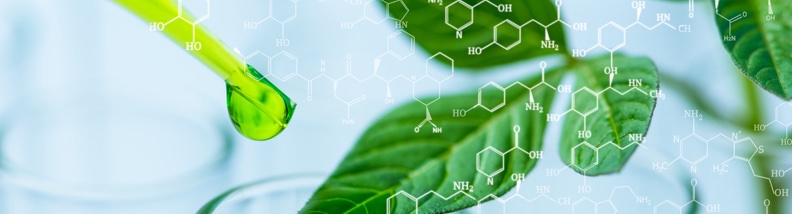
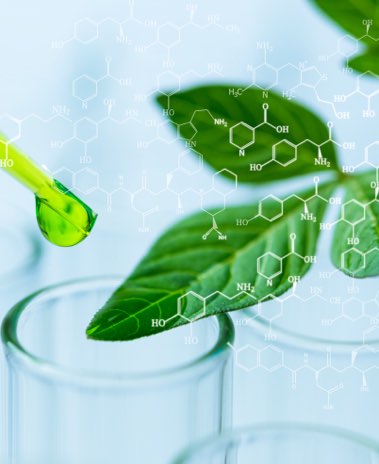
Biotechnology is not a new discipline, but it is advancing by leaps and bounds and it has more and more applications in our day-to-day lives: from pharmaceutical development to food production and the treatment of polluting waste. We explore this exciting field below and try to determine how far it might go in the future.
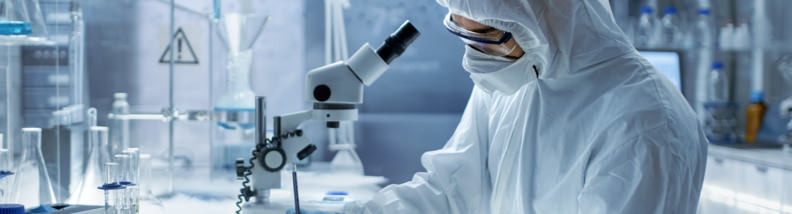
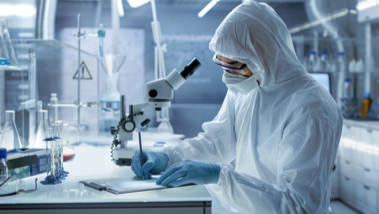
The SARS-CoV-2 virus and the disease it causes, COVID-19, was one of the greatest threats to humanity in the 21st century. Although the pandemic is now behind us, biosecurity remains essential to prevent health and environmental risks stemming from exposure to disease-causing biological agents.


